


02 June 2026
Norway, the Netherlands and Brazil are advancing plans to establish a green shipping corridor linking Europe and South America, marking a significant step toward reducing emissions from international maritime transport. The initiative is expected to support the development of low- and zero-emission shipping routes while accelerating the use of cleaner marine fuels.
The three countries recently completed a feasibility study examining the potential for a transatlantic green shipping corridor connecting Brazil with major European ports. The study assessed opportunities for reducing greenhouse gas emissions through cleaner fuel technologies, improved infrastructure and closer international cooperation.
The initiative builds on a memorandum of understanding signed between Norway and Brazil in February 2025 to promote sustainable maritime transport and support decarbonisation across the shipping sector. The Netherlands has since joined the effort, expanding cooperation on green shipping solutions and climate-friendly maritime trade.
As a next step, the participating countries plan to launch a joint research and development programme in 2026 to further evaluate fuel supply chains, port readiness and technological requirements for low-emission shipping. Officials said the collaboration could help accelerate the transition to cleaner maritime transport while strengthening sustainable trade links between Europe and South America.
The project aligns with broader international efforts to decarbonise the shipping industry, which accounts for a significant share of global greenhouse gas emissions. The proposed corridor is expected to contribute to climate goals while supporting innovation in sustainable maritime infrastructure and alternative fuels.
Multi-country green-shipping corridors are increasingly the practical mechanism for maritime decarbonisation, and they define which routes, ports and fuel infrastructure get prioritised. Our energy-transition and supply-chain-and-operations teams help shipping lines, ports and cargo owners evaluate corridor participation and CII/IMO-compliant fleet strategy.

• 𝘛𝘩𝘦 𝘜𝘈𝘌 𝘍𝘰𝘰𝘥 𝘉𝘢𝘯𝘬 𝘢𝘯𝘥 𝘋𝘶𝘣𝘢𝘪’𝘴 𝘊𝘰𝘮𝘮𝘶𝘯𝘪𝘵𝘺 𝘋𝘦𝘷𝘦𝘭𝘰𝘱𝘮𝘦𝘯𝘵 𝘈𝘶𝘵𝘩𝘰𝘳𝘪𝘵𝘺 (𝘊𝘋𝘈) 𝘩𝘢𝘷𝘦 𝘴𝘪𝘨𝘯𝘦𝘥 𝘢𝘯 𝘢𝘨𝘳𝘦𝘦𝘮𝘦𝘯𝘵 𝘵𝘰 𝘤𝘰𝘭𝘭𝘦𝘤𝘵 𝘢𝘯𝘥 𝘳𝘦𝘥𝘪𝘴𝘵𝘳𝘪𝘣𝘶𝘵𝘦 𝘴𝘶𝘳𝘱𝘭𝘶𝘴 𝘧𝘰𝘰𝘥 𝘧𝘳𝘰𝘮 𝘸𝘦𝘥𝘥𝘪𝘯𝘨𝘴 𝘢𝘯𝘥 𝘦𝘷𝘦𝘯𝘵𝘴. • 𝘛𝘩𝘦 𝘪𝘯𝘪𝘵𝘪𝘢𝘵𝘪𝘷𝘦 𝘸𝘪𝘭𝘭 𝘧𝘰𝘭𝘭𝘰𝘸 𝘢𝘱𝘱𝘳𝘰𝘷𝘦𝘥…
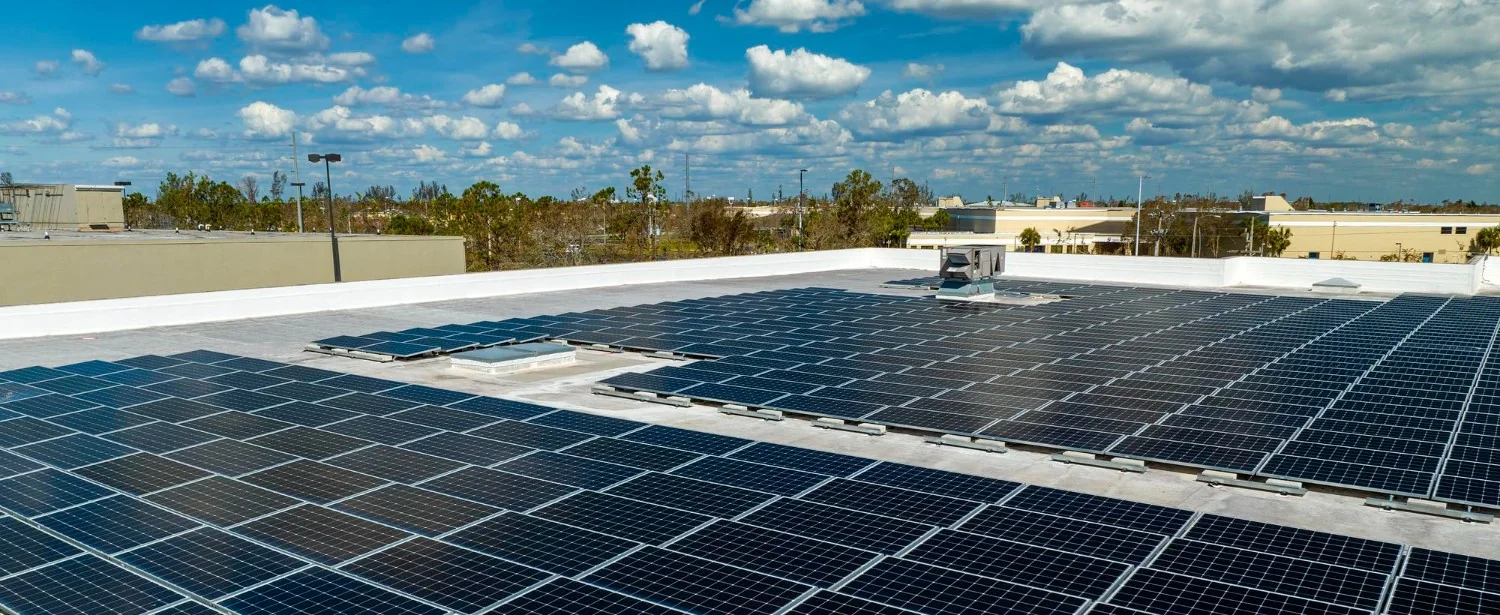
<ul><li><i>India’s rooftop solar capacity reached 30.7 GW in July 2026, increasing the need for better grid management and flexibility.</i></li><li><i>Kerala and Maharashtra are exploring battery ener…

• 𝘛𝘩𝘦 𝘌𝘐𝘉 𝘎𝘳𝘰𝘶𝘱 𝘱𝘭𝘢𝘯𝘴 𝘵𝘰 𝘱𝘳𝘰𝘷𝘪𝘥𝘦 𝘢𝘵 𝘭𝘦𝘢𝘴𝘵 €30 𝘣𝘪𝘭𝘭𝘪𝘰𝘯 𝘧𝘰𝘳 𝘤𝘭𝘪𝘮𝘢𝘵𝘦 𝘢𝘥𝘢𝘱𝘵𝘢𝘵𝘪𝘰𝘯 𝘣𝘦𝘵𝘸𝘦𝘦𝘯 2026 𝘢𝘯𝘥 2030. • 𝘛𝘩𝘦 𝘯𝘦𝘸 𝘵𝘢𝘳𝘨𝘦𝘵 𝘥𝘰𝘶𝘣𝘭𝘦𝘴 𝘢𝘥𝘢𝘱𝘵𝘢𝘵𝘪𝘰𝘯 𝘧𝘪𝘯𝘢𝘯𝘤𝘪𝘯𝘨 𝘤𝘰𝘮𝘱𝘢𝘳𝘦𝘥 𝘸𝘪𝘵𝘩 𝘵𝘩𝘦 𝘱𝘳𝘦𝘷𝘪𝘰𝘶𝘴 𝘧𝘪𝘷𝘦-𝘺𝘦𝘢𝘳 𝘱𝘦𝘳𝘪𝘰𝘥. • 𝘍𝘶𝘯𝘥𝘪𝘯𝘨…