


07 August 2026
Mexico has launched a new National Protected Natural Areas Program (PNANP) 2026–2030, reinforcing its commitment to the global 30x30 biodiversity target while strengthening conservation, community participation, and long-term environmental governance.
Presented by the Ministry of Environment and Natural Resources (SEMARNAT), the strategy will guide the management of 232 Protected Natural Areas and 623 Voluntarily Designated Conservation Areas, covering more than 99 million hectares. The program prioritizes conservation through a human rights-based approach, with a strong focus on Indigenous and Afro-Mexican communities, environmental justice, scientific monitoring, and inclusive governance.
A major policy milestone accompanying the initiative is the ban on mining activities within protected natural areas, requiring all mining-related environmental impact assessments to undergo mandatory review by the National Commission of Natural Protected Areas (CONANP). The government says the measure will strengthen safeguards for ecologically sensitive landscapes.
The strategy also supports Mexico’s commitment under the Kunming-Montreal Global Biodiversity Framework, which calls for protecting at least 30% of the world’s land and marine areas by 2030. To meet its national target, Mexico aims to conserve 154 million hectares, requiring the addition of millions of hectares of terrestrial and marine protected areas backed by significant investment.
The announcement comes alongside growing recognition that biodiversity conservation must balance environmental protection with community livelihoods and property rights. Recent rulings by Mexico’s Supreme Court reaffirmed the government’s authority to designate protected areas while emphasizing public participation and transparency throughout the process.
Together, the new strategy positions biodiversity conservation as both an environmental priority and a long-term investment in climate resilience, ecosystem services, and sustainable development.
30x30-aligned protected-area strategies reshape TNFD-aligned corporate disclosure expectations, particularly for agri-food, extractive and coastal-infrastructure operators. Our nature-based-solutions and sustainability-due-diligence teams help clients evaluate biodiversity exposure and align disclosure with international frameworks.
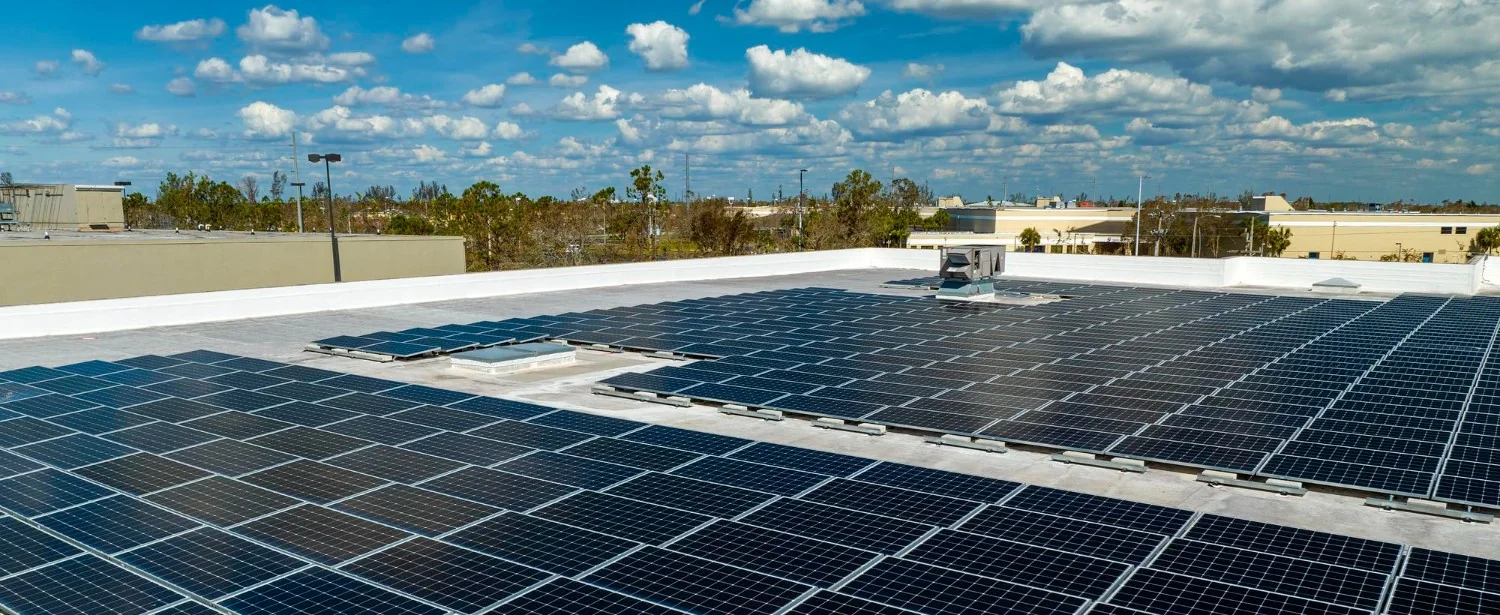
<ul><li><i>India’s rooftop solar capacity reached 30.7 GW in July 2026, increasing the need for better grid management and flexibility.</i></li><li><i>Kerala and Maharashtra are exploring battery ener…

• 𝘛𝘩𝘦 𝘌𝘐𝘉 𝘎𝘳𝘰𝘶𝘱 𝘱𝘭𝘢𝘯𝘴 𝘵𝘰 𝘱𝘳𝘰𝘷𝘪𝘥𝘦 𝘢𝘵 𝘭𝘦𝘢𝘴𝘵 €30 𝘣𝘪𝘭𝘭𝘪𝘰𝘯 𝘧𝘰𝘳 𝘤𝘭𝘪𝘮𝘢𝘵𝘦 𝘢𝘥𝘢𝘱𝘵𝘢𝘵𝘪𝘰𝘯 𝘣𝘦𝘵𝘸𝘦𝘦𝘯 2026 𝘢𝘯𝘥 2030. • 𝘛𝘩𝘦 𝘯𝘦𝘸 𝘵𝘢𝘳𝘨𝘦𝘵 𝘥𝘰𝘶𝘣𝘭𝘦𝘴 𝘢𝘥𝘢𝘱𝘵𝘢𝘵𝘪𝘰𝘯 𝘧𝘪𝘯𝘢𝘯𝘤𝘪𝘯𝘨 𝘤𝘰𝘮𝘱𝘢𝘳𝘦𝘥 𝘸𝘪𝘵𝘩 𝘵𝘩𝘦 𝘱𝘳𝘦𝘷𝘪𝘰𝘶𝘴 𝘧𝘪𝘷𝘦-𝘺𝘦𝘢𝘳 𝘱𝘦𝘳𝘪𝘰𝘥. • 𝘍𝘶𝘯𝘥𝘪𝘯𝘨…

• 𝘊𝘢𝘯𝘢𝘥𝘢’𝘴 𝘧𝘪𝘯𝘢𝘭 𝘵𝘢𝘹𝘰𝘯𝘰𝘮𝘺 𝘮𝘦𝘵𝘩𝘰𝘥𝘰𝘭𝘰𝘨𝘺 𝘦𝘴𝘵𝘢𝘣𝘭𝘪𝘴𝘩𝘦𝘴 𝘨𝘳𝘦𝘦𝘯 𝘢𝘯𝘥 𝘵𝘳𝘢𝘯𝘴𝘪𝘵𝘪𝘰𝘯 𝘤𝘢𝘵𝘦𝘨𝘰𝘳𝘪𝘦𝘴 𝘧𝘰𝘳 𝘢𝘴𝘴𝘦𝘴𝘴𝘪𝘯𝘨 𝘤𝘭𝘪𝘮𝘢𝘵𝘦-𝘢𝘭𝘪𝘨𝘯𝘦𝘥 𝘦𝘤𝘰𝘯𝘰𝘮𝘪𝘤 𝘢𝘤𝘵𝘪𝘷𝘪𝘵𝘪𝘦𝘴. • 𝘛𝘩𝘦 𝘷𝘰𝘭𝘶𝘯𝘵𝘢𝘳𝘺 𝘧𝘳𝘢𝘮𝘦𝘸𝘰𝘳𝘬 𝘢𝘪𝘮𝘴 𝘵𝘰 𝘪𝘮𝘱𝘳𝘰𝘷𝘦 𝘤𝘰𝘯𝘴𝘪𝘴𝘵𝘦𝘯𝘤𝘺 𝘢𝘯𝘥 𝘤𝘰𝘯𝘧𝘪𝘥𝘦𝘯𝘤…