

15 June 2026
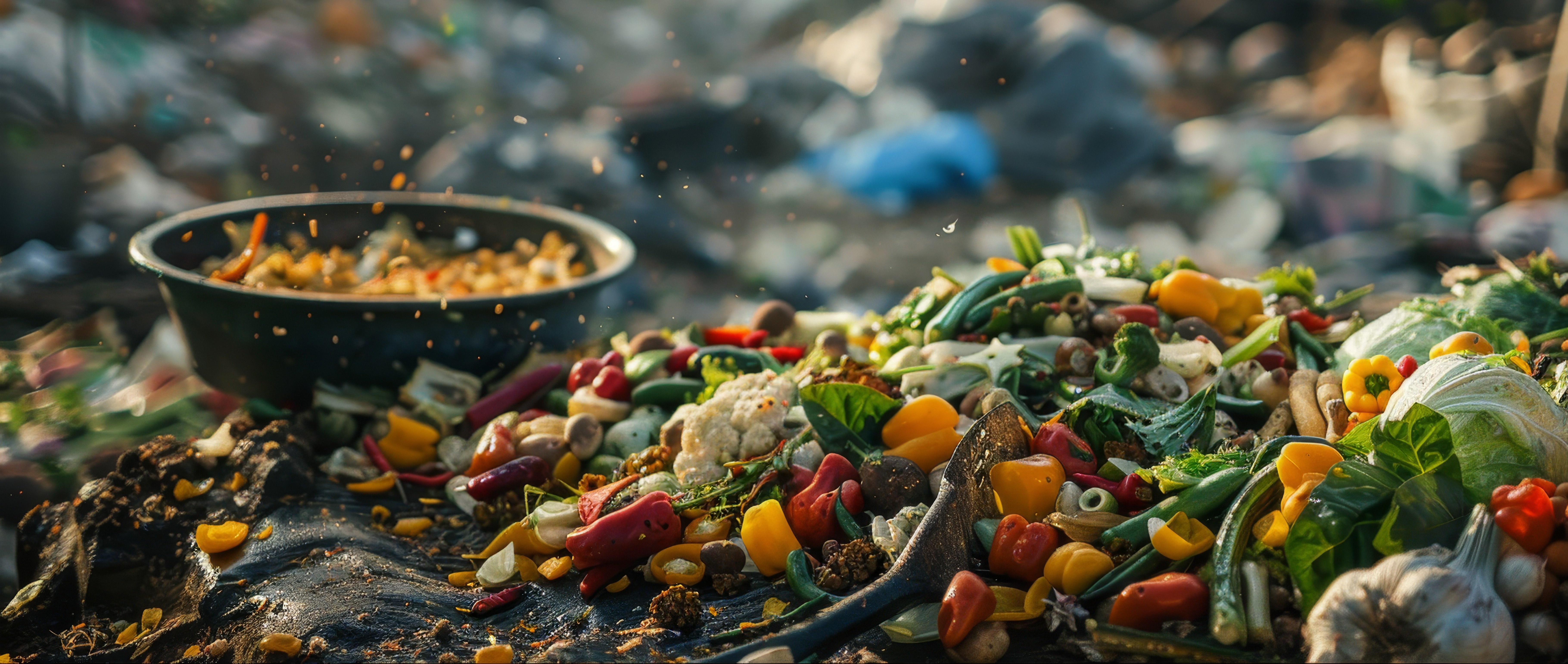
Malaysia has announced plans to reduce its reliance on landfills from 61% to 52% by 2030 as part of a broader transition towards a circular economy and more sustainable waste management system. The move comes amid growing concerns over the country's escalating food waste problem, which continues to place significant pressure on landfill capacity and environmental resources.
According to government waste management authorities, food waste accounts for approximately 40% of Malaysia's daily solid waste stream, making it the largest contributor to landfill disposal. To address the issue, authorities are increasing efforts to divert organic waste away from landfills through composting, recycling, waste-to-resource initiatives and other treatment methods that support resource recovery.
A key component of the strategy involves expanding infrastructure for organic waste management and promoting better waste segregation practices. The government is also preparing to introduce mandatory food waste segregation requirements for commercial, industrial and institutional sectors, a measure aimed at improving collection efficiency and increasing the volume of waste that can be processed through sustainable treatment systems rather than being buried in landfills.
Officials have emphasized that reducing food waste is essential not only for extending landfill lifespan but also for lowering greenhouse gas emissions associated with decomposing organic matter. Food waste disposed of in landfills generates methane, a potent greenhouse gas that contributes significantly to climate change. The planned reforms are therefore expected to deliver both environmental and resource-efficiency benefits.
The initiative aligns with Malaysia's broader efforts to advance circular economy principles and improve national waste management performance. By encouraging waste reduction, resource recovery and behavioural change among businesses and consumers, the government aims to create a more sustainable waste system while strengthening the country's long-term environmental resilience.
Reducing landfill dependence requires food-waste segregation and valorisation infrastructure, and the private sector will increasingly be expected to enable it. Our circular-economy and sustainability-due-diligence teams help clients evaluate what food-waste and organic-waste frameworks mean for their circular-economy strategy.

• 𝘛𝘩𝘦 𝘜𝘈𝘌 𝘍𝘰𝘰𝘥 𝘉𝘢𝘯𝘬 𝘢𝘯𝘥 𝘋𝘶𝘣𝘢𝘪’𝘴 𝘊𝘰𝘮𝘮𝘶𝘯𝘪𝘵𝘺 𝘋𝘦𝘷𝘦𝘭𝘰𝘱𝘮𝘦𝘯𝘵 𝘈𝘶𝘵𝘩𝘰𝘳𝘪𝘵𝘺 (𝘊𝘋𝘈) 𝘩𝘢𝘷𝘦 𝘴𝘪𝘨𝘯𝘦𝘥 𝘢𝘯 𝘢𝘨𝘳𝘦𝘦𝘮𝘦𝘯𝘵 𝘵𝘰 𝘤𝘰𝘭𝘭𝘦𝘤𝘵 𝘢𝘯𝘥 𝘳𝘦𝘥𝘪𝘴𝘵𝘳𝘪𝘣𝘶𝘵𝘦 𝘴𝘶𝘳𝘱𝘭𝘶𝘴 𝘧𝘰𝘰𝘥 𝘧𝘳𝘰𝘮 𝘸𝘦𝘥𝘥𝘪𝘯𝘨𝘴 𝘢𝘯𝘥 𝘦𝘷𝘦𝘯𝘵𝘴. • 𝘛𝘩𝘦 𝘪𝘯𝘪𝘵𝘪𝘢𝘵𝘪𝘷𝘦 𝘸𝘪𝘭𝘭 𝘧𝘰𝘭𝘭𝘰𝘸 𝘢𝘱𝘱𝘳𝘰𝘷𝘦𝘥…
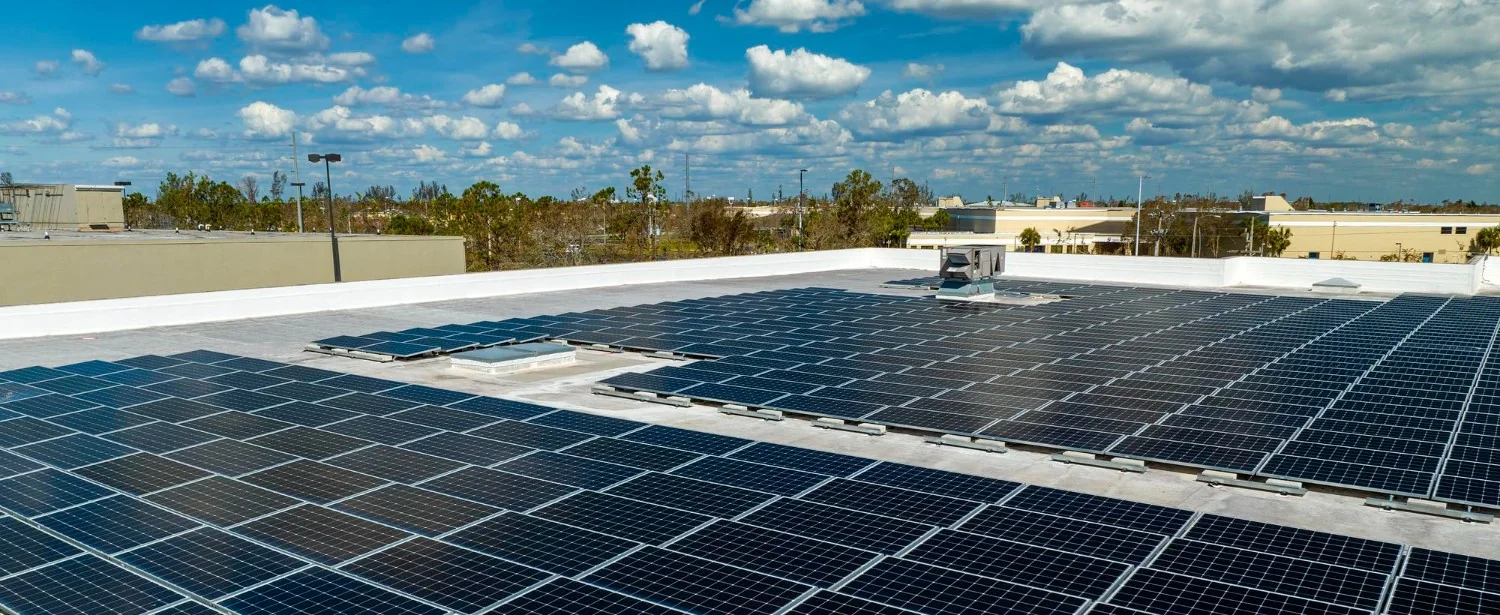
<ul><li><i>India’s rooftop solar capacity reached 30.7 GW in July 2026, increasing the need for better grid management and flexibility.</i></li><li><i>Kerala and Maharashtra are exploring battery ener…

• 𝘛𝘩𝘦 𝘌𝘐𝘉 𝘎𝘳𝘰𝘶𝘱 𝘱𝘭𝘢𝘯𝘴 𝘵𝘰 𝘱𝘳𝘰𝘷𝘪𝘥𝘦 𝘢𝘵 𝘭𝘦𝘢𝘴𝘵 €30 𝘣𝘪𝘭𝘭𝘪𝘰𝘯 𝘧𝘰𝘳 𝘤𝘭𝘪𝘮𝘢𝘵𝘦 𝘢𝘥𝘢𝘱𝘵𝘢𝘵𝘪𝘰𝘯 𝘣𝘦𝘵𝘸𝘦𝘦𝘯 2026 𝘢𝘯𝘥 2030. • 𝘛𝘩𝘦 𝘯𝘦𝘸 𝘵𝘢𝘳𝘨𝘦𝘵 𝘥𝘰𝘶𝘣𝘭𝘦𝘴 𝘢𝘥𝘢𝘱𝘵𝘢𝘵𝘪𝘰𝘯 𝘧𝘪𝘯𝘢𝘯𝘤𝘪𝘯𝘨 𝘤𝘰𝘮𝘱𝘢𝘳𝘦𝘥 𝘸𝘪𝘵𝘩 𝘵𝘩𝘦 𝘱𝘳𝘦𝘷𝘪𝘰𝘶𝘴 𝘧𝘪𝘷𝘦-𝘺𝘦𝘢𝘳 𝘱𝘦𝘳𝘪𝘰𝘥. • 𝘍𝘶𝘯𝘥𝘪𝘯𝘨…