


04 August 2026
Malaysia could need nearly RM3.5 trillion in climate adaptation financing by 2050, highlighting the scale of investment required to protect communities and infrastructure from worsening climate risks, according to Securities Commission (SC) chairman Datuk Mohammad Faiz Azmi, citing the World Bank’s Malaysia Country Climate and Development Report 2026.
Speaking at the River Flooding Adaptation and Resilience (RIFAR) showcase, Faiz said blended finance will be critical because many adaptation projects require public-sector participation, patient capital and credit enhancements to reduce risks before private investors can participate.
The discussion also underscored a shift in Malaysia’s climate strategy from mitigation alone toward stronger adaptation planning. The government is developing the National Adaptation Plan (MyNAP) while exploring ways to strengthen domestic climate-finance capabilities, including appointing a Malaysian-accredited entity to access international climate funding.
Speakers stressed that adaptation projects must be grounded in credible climate-risk assessments and designed around the needs of affected communities. Banking-sector representatives also noted that adaptation financing remains harder to structure than mitigation finance because its economic benefits can be difficult to quantify.
The discussions highlighted the importance of moving from reactive disaster response to preventive resilience, particularly for flooding. Better coordination between government agencies and communities was identified as essential to improving preparedness and emergency response.
The RIFAR Challenge reinforced this focus, bringing together 58 teams to address river pressures and develop flood-mitigation solutions, including proposals for Taman Sri Muda.
RM3.5 trillion of adaptation financing need is a signal that physical-climate-risk exposure in Malaysia is being formally quantified, and it changes lender, insurer and corporate real-estate positioning. Our climate-action and sustainability-due-diligence teams help clients quantify physical-climate exposure and align TCFD-aligned adaptation disclosure with real infrastructure priorities.

• 𝘔𝘢𝘭𝘢𝘺𝘴𝘪𝘢’𝘴 𝘕𝘢𝘵𝘶𝘳𝘢𝘭 𝘙𝘦𝘴𝘰𝘶𝘳𝘤𝘦𝘴 𝘢𝘯𝘥 𝘌𝘯𝘷𝘪𝘳𝘰𝘯𝘮𝘦𝘯𝘵𝘢𝘭 𝘚𝘶𝘴𝘵𝘢𝘪𝘯𝘢𝘣𝘪𝘭𝘪𝘵𝘺 (𝘕𝘙𝘌𝘚) 𝘔𝘪𝘯𝘪𝘴𝘵𝘳𝘺 𝘪𝘴 𝘱𝘶𝘳𝘴𝘶𝘪𝘯𝘨 𝘵𝘸𝘰 𝘮𝘢𝘫𝘰𝘳 𝘪𝘵𝘦𝘮𝘴 𝘶𝘯𝘥𝘦𝘳 𝘵𝘩𝘦 𝘔𝘢𝘭𝘢𝘺𝘴𝘪𝘢 𝘈𝘨𝘳𝘦𝘦𝘮𝘦𝘯𝘵 1963 (𝘔𝘈63), 𝘪𝘯𝘤𝘭𝘶𝘥𝘪𝘯𝘨 𝘵𝘩𝘦 𝘳𝘦𝘵𝘶𝘳𝘯 𝘰𝘧 𝘍𝘦𝘥𝘦𝘳𝘢𝘭 𝘭𝘢𝘯𝘥 𝘢𝘯𝘥 𝘥𝘦𝘷𝘰𝘭𝘶𝘵𝘪𝘰…

• 𝘋𝘶𝘣𝘢𝘪’𝘴 𝘋𝘦𝘱𝘢𝘳𝘵𝘮𝘦𝘯𝘵 𝘰𝘧 𝘌𝘤𝘰𝘯𝘰𝘮𝘺 𝘢𝘯𝘥 𝘛𝘰𝘶𝘳𝘪𝘴𝘮 (𝘋𝘌𝘛) 𝘩𝘢𝘴 𝘭𝘢𝘶𝘯𝘤𝘩𝘦𝘥 𝘵𝘸𝘰 𝘯𝘦𝘸 𝘴𝘶𝘴𝘵𝘢𝘪𝘯𝘢𝘣𝘪𝘭𝘪𝘵𝘺 𝘤𝘰𝘶𝘳𝘴𝘦𝘴 𝘧𝘰𝘳 𝘵𝘰𝘶𝘳𝘪𝘴𝘮 𝘢𝘯𝘥 𝘩𝘰𝘴𝘱𝘪𝘵𝘢𝘭𝘪𝘵𝘺 𝘱𝘳𝘰𝘧𝘦𝘴𝘴𝘪𝘰𝘯𝘢𝘭𝘴 𝘶𝘯𝘥𝘦𝘳 𝘪𝘵𝘴 𝘋𝘶𝘣𝘢𝘪 𝘚𝘶𝘴𝘵𝘢𝘪𝘯𝘢𝘣𝘭𝘦 𝘛𝘰𝘶𝘳𝘪𝘴𝘮 (𝘋𝘚𝘛) 𝘪𝘯𝘪𝘵𝘪𝘢𝘵𝘪𝘷𝘦. • 𝘛𝘩𝘦 𝘱𝘳𝘰𝘨…
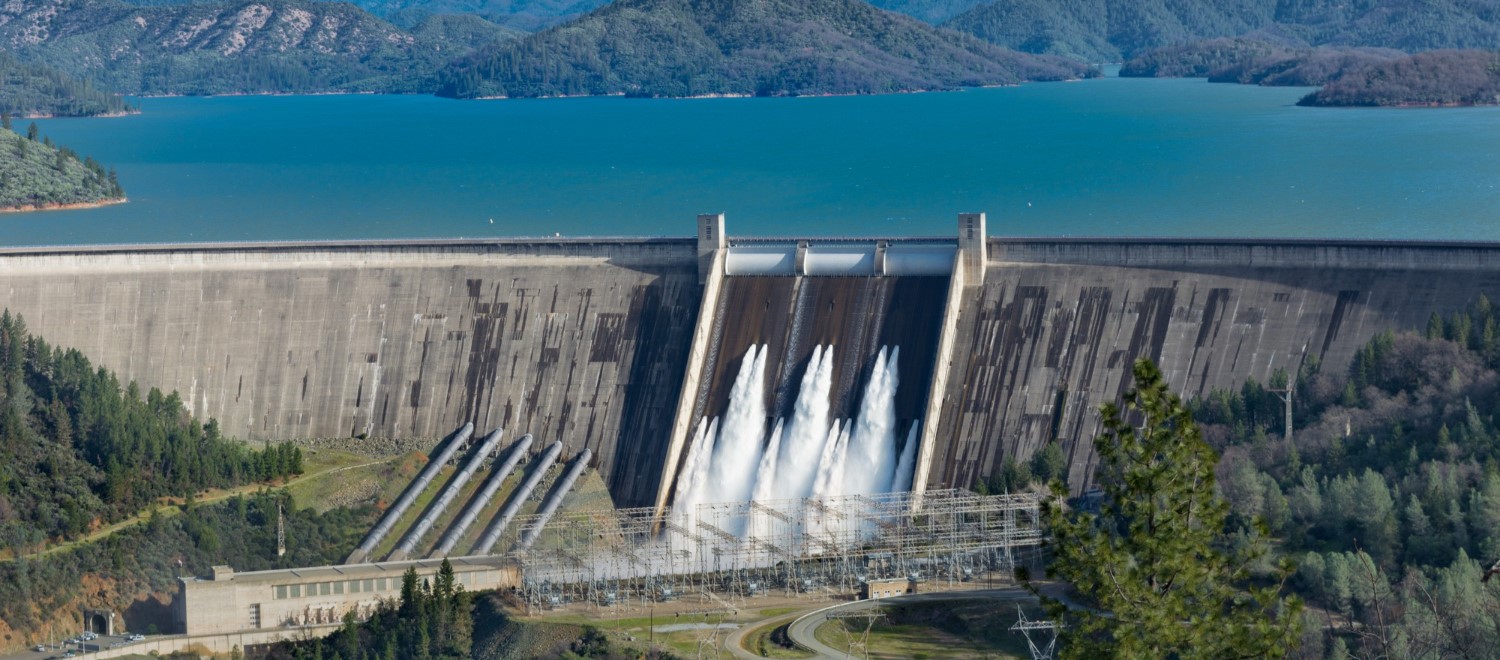
• 𝘚𝘪𝘹 𝘴𝘵𝘢𝘵𝘦𝘴 𝘴𝘪𝘨𝘯𝘦𝘥 𝘢𝘯 𝘪𝘯𝘵𝘦𝘳-𝘴𝘵𝘢𝘵𝘦 𝘢𝘨𝘳𝘦𝘦𝘮𝘦𝘯𝘵 𝘧𝘰𝘳 𝘵𝘩𝘦 𝘭𝘰𝘯𝘨-𝘢𝘸𝘢𝘪𝘵𝘦𝘥 𝘒𝘪𝘴𝘩𝘢𝘶 𝘔𝘶𝘭𝘵𝘪𝘱𝘶𝘳𝘱𝘰𝘴𝘦 𝘗𝘳𝘰𝘫𝘦𝘤𝘵. • 𝘛𝘩𝘦 𝘢𝘨𝘳𝘦𝘦𝘮𝘦𝘯𝘵 𝘸𝘢𝘴 𝘴𝘪𝘨𝘯𝘦𝘥 𝘪𝘯 𝘵𝘩𝘦 𝘱𝘳𝘦𝘴𝘦𝘯𝘤𝘦 𝘰𝘧 𝘜𝘯𝘪𝘰𝘯 𝘏𝘰𝘮𝘦 𝘔𝘪𝘯𝘪𝘴𝘵𝘦𝘳 𝘈𝘮𝘪𝘵 𝘚𝘩𝘢𝘩 𝘢𝘯𝘥 𝘜𝘯𝘪𝘰𝘯 𝘑𝘢𝘭 𝘚𝘩𝘢𝘬𝘵𝘪 𝘔𝘪𝘯𝘪𝘴𝘵𝘦𝘳…