

13 August 2026
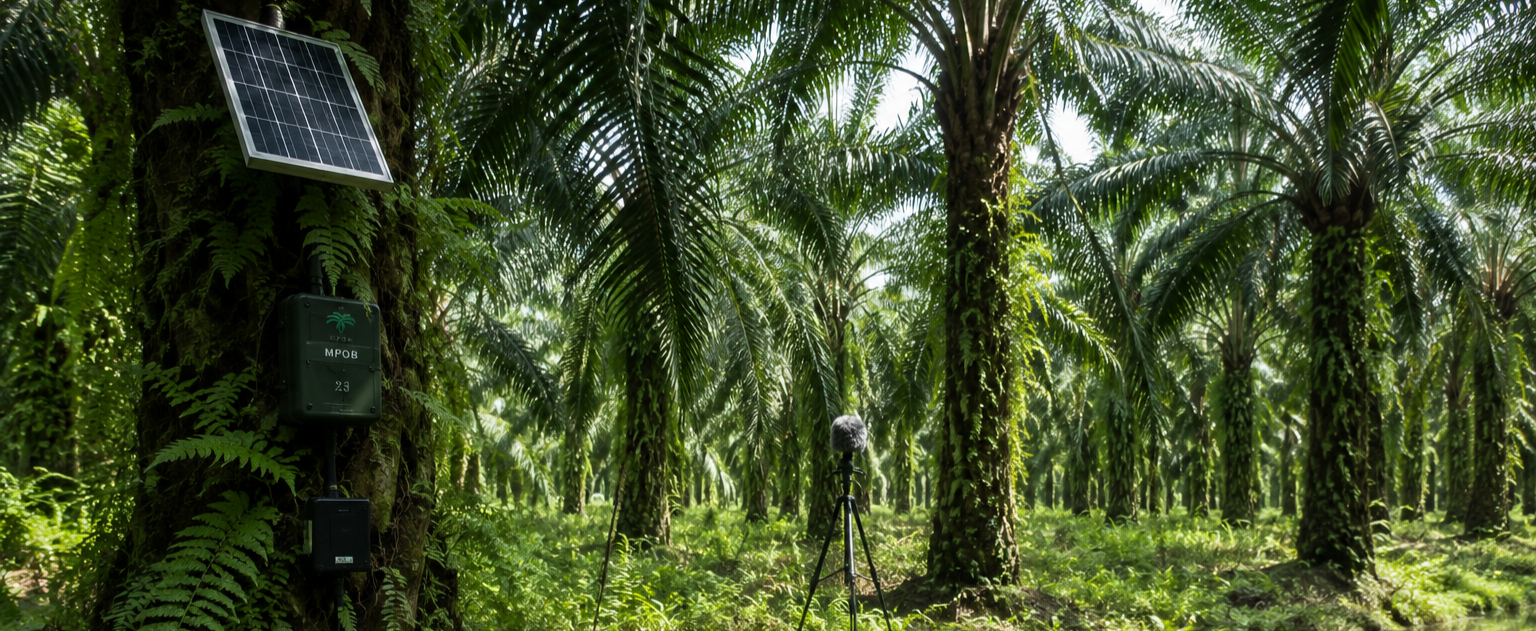
Malaysia is expanding biodiversity research across its oil palm landscapes by integrating artificial intelligence (AI) and bioacoustics into plantation management. The initiative, led by the Malaysian Palm Oil Board (MPOB), aims to strengthen long-term ecological monitoring while supporting nature-based solutions and improving climate resilience across oil palm areas.
The announcement was made during the Symposium on Biodiversity in Oil Palm Landscapes in Sarawak 2026 (BioPALS 2026) at Universiti Malaysia Sarawak. MPOB Director-General Datuk Badrul Hisham Mohd said emerging technologies could provide stronger evidence for biodiversity management and help translate research into practical approaches for more sustainable plantation landscapes.
Bioacoustics can enable researchers to monitor biodiversity by analysing sounds produced by wildlife and ecosystems, while AI can support the processing of large volumes of ecological data. Together, these technologies could improve the ability to track species, identify changes in ecosystem conditions and provide earlier indications of environmental pressures across plantation areas.
MPOB also highlighted practical conservation measures including the protection of riparian reserves, restoration of ecological corridors and conservation of High Conservation Value areas. The research is expected to contribute to evidence-based approaches for managing oil palm landscapes while maintaining biodiversity and ecosystem functions.
The initiative also links biodiversity research with Malaysia's wider sustainability standards for the palm oil sector. MPOB noted that the Malaysian Sustainable Palm Oil (MSPO) standards prohibit new cultivation on peatlands and the conversion of primary forests after 31 December 2019. The expansion of technology-enabled biodiversity monitoring could strengthen the sector's ability to demonstrate environmental performance and inform future land-management decisions.
The development reflects a broader shift towards using digital technologies not only to improve agricultural productivity but also to monitor and protect ecosystems. By combining AI, bioacoustics and field-based conservation measures, Malaysia is exploring how technology can support more biodiversity-sensitive agricultural landscapes and strengthen the environmental resilience of a major national commodity sector.
AI-and-bioacoustics biodiversity monitoring is exactly the technology infrastructure that RSPO, EUDR and TNFD-aligned disclosure increasingly require. Our supply-chain-and-operations and nature-based-solutions teams help palm-oil clients evaluate what these monitoring approaches mean for their sourcing, certification and disclosure narrative.

<ul><li><i>India is developing its first port-based e-methanol plant.</i></li><li><i>The ₹2,300-crore project is being developed through a partnership involving Deendayal Port Authority and Assam Petr…
.jpg)
• 𝘔𝘢𝘭𝘢𝘺𝘴𝘪𝘢 𝘢𝘯𝘥 𝘊𝘩𝘪𝘯𝘢 𝘢𝘳𝘦 𝘴𝘵𝘳𝘦𝘯𝘨𝘵𝘩𝘦𝘯𝘪𝘯𝘨 𝘣𝘪𝘭𝘢𝘵𝘦𝘳𝘢𝘭 𝘤𝘰𝘰𝘱𝘦𝘳𝘢𝘵𝘪𝘰𝘯 𝘰𝘯 𝘯𝘢𝘵𝘶𝘳𝘢𝘭 𝘳𝘦𝘴𝘰𝘶𝘳𝘤𝘦 𝘮𝘢𝘯𝘢𝘨𝘦𝘮𝘦𝘯𝘵 𝘢𝘯𝘥 𝘦𝘯𝘷𝘪𝘳𝘰𝘯𝘮𝘦𝘯𝘵𝘢𝘭 𝘴𝘶𝘴𝘵𝘢𝘪𝘯𝘢𝘣𝘪𝘭𝘪𝘵𝘺. • 𝘛𝘩𝘦 𝘱𝘢𝘳𝘵𝘯𝘦𝘳𝘴 𝘢𝘳𝘦 𝘦𝘹𝘱𝘭𝘰𝘳𝘪𝘯𝘨 𝘢 𝘱𝘳𝘰𝘱𝘰𝘴𝘦𝘥 𝘔𝘢𝘳𝘪𝘯𝘦 𝘌𝘯𝘷𝘪𝘳𝘰𝘯𝘮𝘦𝘯𝘵𝘢𝘭 𝘊𝘰𝘰𝘱𝘦𝘳𝘢𝘵𝘪𝘰𝘯 𝘈…

• 𝘔𝘦𝘹𝘪𝘤𝘰 𝘤𝘰𝘶𝘭𝘥 𝘳𝘦𝘥𝘶𝘤𝘦 𝘨𝘳𝘰𝘴𝘴 𝘰𝘪𝘭 𝘢𝘯𝘥 𝘨𝘢𝘴 𝘪𝘮𝘱𝘰𝘳𝘵𝘴 𝘣𝘺 34% 𝘣𝘺 2050 𝘵𝘩𝘳𝘰𝘶𝘨𝘩 𝘦𝘭𝘦𝘤𝘵𝘳𝘪𝘧𝘪𝘤𝘢𝘵𝘪𝘰𝘯 𝘢𝘯𝘥 𝘮𝘰𝘣𝘪𝘭𝘪𝘵𝘺 𝘴𝘩𝘪𝘧𝘵𝘴. • 𝘊𝘰𝘮𝘣𝘪𝘯𝘦𝘥 𝘦𝘭𝘦𝘤𝘵𝘳𝘪𝘧𝘪𝘤𝘢𝘵𝘪𝘰𝘯 𝘢𝘯𝘥 𝘱𝘶𝘣𝘭𝘪𝘤 𝘵𝘳𝘢𝘯𝘴𝘪𝘵 𝘤𝘰𝘶𝘭𝘥 𝘤𝘶𝘵 𝘶𝘳𝘣𝘢𝘯 𝘱𝘢𝘴𝘴𝘦𝘯𝘨𝘦𝘳 𝘵𝘳𝘢𝘯𝘴𝘱𝘰𝘳𝘵 𝘦𝘯𝘦𝘳𝘨𝘺 𝘤𝘰𝘯…