

18 August 2026
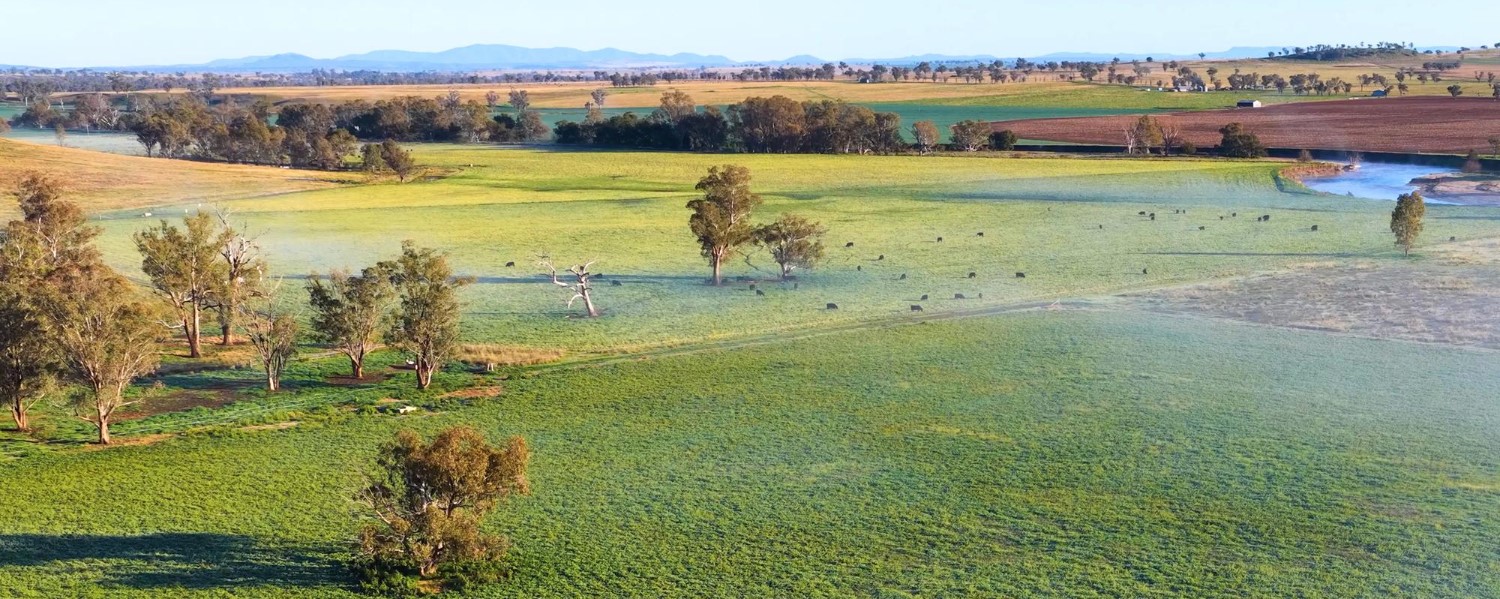
India has launched its first comprehensive guide on grasslands and Other Open Natural Ecosystems (ONEs), highlighting the ecological, biodiversity and socio-economic importance of these often-overlooked landscapes. The guide was unveiled at UNCCD COP17 in Ulaanbaatar, Mongolia, strengthening India's contribution to global efforts on land conservation and sustainable ecosystem management.
The initiative, led by India's Ministry of Environment, Forest and Climate Change, focuses on ecosystems such as grasslands, savannas, scrublands, deserts and ravine landscapes. These areas support diverse wildlife, provide livelihoods for local communities and play an important role in maintaining ecological balance.
The guide aims to improve understanding of these ecosystems and encourage their conservation, restoration and sustainable management. It also seeks to address the tendency to view open natural landscapes as degraded or unproductive land, emphasizing instead their role in biodiversity conservation and ecosystem services.
By bringing greater attention to grasslands and other open ecosystems, the initiative represents a significant step toward strengthening India's nature conservation and sustainable land-management efforts while contributing to international discussions on combating land degradation, desertification and biodiversity loss.
Grasslands, savannas, scrublands, deserts and ravine landscapes - collectively "Other Open Natural Ecosystems" - have historically been under-recognised in Indian conservation policy compared to forests and wetlands. Yet these ecosystems support substantial biodiversity, particularly bird populations, ungulates and specialist arid-land species, while providing livelihoods for pastoralist and agro-pastoralist communities.
The reframing away from viewing open landscapes as "degraded" or "unproductive" is analytically important. Many ONE ecosystems have been converted to plantation forestry or agriculture based on this misclassification, delivering neither ecological nor economic outcomes commensurate with the underlying land value. Better recognition supports more accurate land-use planning.
For agricultural, mining and infrastructure operators with landscape-scale exposure in India, financial institutions supporting nature-linked investment and their community partners, Cognitud's nature-based solutions, impact assessment and sustainability due diligence teams help clients evaluate biodiversity-linked risk and opportunity across ONE ecosystems, structure conservation-partnership programmes aligned with the new guide framework, and prepare disclosures aligned with TNFD, SBTN and jurisdictional biodiversity frameworks.

• 𝘈𝘣𝘶 𝘋𝘩𝘢𝘣𝘪 𝘊𝘩𝘢𝘮𝘣𝘦𝘳 𝘸𝘰𝘯 𝘵𝘩𝘦 “𝘉𝘦𝘴𝘵 𝘚𝘶𝘴𝘵𝘢𝘪𝘯𝘢𝘣𝘪𝘭𝘪𝘵𝘺 𝘐𝘯𝘪𝘵𝘪𝘢𝘵𝘪𝘷𝘦” 𝘢𝘸𝘢𝘳𝘥 𝘢𝘵 𝘵𝘩𝘦 10𝘵𝘩 𝘈𝘣𝘶 𝘋𝘩𝘢𝘣𝘪 𝘚𝘶𝘴𝘵𝘢𝘪𝘯𝘢𝘣𝘭𝘦 𝘉𝘶𝘴𝘪𝘯𝘦𝘴𝘴 𝘓𝘦𝘢𝘥𝘦𝘳𝘴𝘩𝘪𝘱 𝘈𝘸𝘢𝘳𝘥𝘴. • 𝘐𝘵𝘴 𝘚𝘶𝘴𝘵𝘢𝘪𝘯𝘢𝘣𝘪𝘭𝘪𝘵𝘺 𝘓𝘢𝘣𝘦𝘭 𝘩𝘦𝘭𝘱𝘴 𝘱𝘳𝘪𝘷𝘢𝘵𝘦 𝘤𝘰𝘮𝘱𝘢𝘯𝘪𝘦𝘴 𝘢𝘴𝘴𝘦𝘴𝘴 𝘵𝘩𝘦𝘪𝘳 𝘦𝘯𝘷𝘪𝘳𝘰𝘯…
• 𝘔𝘦𝘹𝘪𝘤𝘰 𝘊𝘪𝘵𝘺 𝘩𝘢𝘴 𝘱𝘭𝘢𝘯𝘵𝘦𝘥 10 𝘮𝘪𝘭𝘭𝘪𝘰𝘯 𝘵𝘳𝘦𝘦𝘴, 𝘱𝘭𝘢𝘯𝘵𝘴, 𝘢𝘯𝘥 𝘴𝘩𝘳𝘶𝘣𝘴 𝘢𝘤𝘳𝘰𝘴𝘴 𝘤𝘰𝘯𝘴𝘦𝘳𝘷𝘢𝘵𝘪𝘰𝘯 𝘢𝘳𝘦𝘢𝘴 𝘵𝘰 𝘳𝘦𝘴𝘵𝘰𝘳𝘦 𝘦𝘤𝘰𝘴𝘺𝘴𝘵𝘦𝘮𝘴. • 𝘛𝘩𝘦 𝘤𝘪𝘵𝘺 𝘸𝘪𝘭𝘭 𝘭𝘢𝘶𝘯𝘤𝘩 𝘪𝘵𝘴 𝘭𝘢𝘳𝘨𝘦𝘴𝘵 𝘶𝘳𝘣𝘢𝘯 𝘳𝘦𝘧𝘰𝘳𝘦𝘴𝘵𝘢𝘵𝘪𝘰𝘯 𝘦𝘧𝘧𝘰𝘳𝘵, 𝘵𝘢𝘳𝘨𝘦𝘵𝘪𝘯𝘨 𝘰𝘯𝘦 𝘮𝘪𝘭𝘭𝘪𝘰𝘯 𝘢𝘥𝘥…

• 𝘕𝘰𝘳𝘸𝘢𝘺’𝘴 𝘸𝘦𝘢𝘭𝘵𝘩 𝘧𝘶𝘯𝘥 𝘮𝘢𝘯𝘢𝘨𝘦𝘳 𝘩𝘢𝘴 𝘤𝘰𝘮𝘮𝘪𝘵𝘵𝘦𝘥 $1.36 𝘣𝘪𝘭𝘭𝘪𝘰𝘯 𝘵𝘰 𝘊𝘰𝘱𝘦𝘯𝘩𝘢𝘨𝘦𝘯 𝘐𝘯𝘧𝘳𝘢𝘴𝘵𝘳𝘶𝘤𝘵𝘶𝘳𝘦 𝘗𝘢𝘳𝘵𝘯𝘦𝘳𝘴’ 𝘴𝘪𝘹𝘵𝘩 𝘧𝘭𝘢𝘨𝘴𝘩𝘪𝘱 𝘧𝘶𝘯𝘥. • 𝘛𝘩𝘦 𝘪𝘯𝘷𝘦𝘴𝘵𝘮𝘦𝘯𝘵 𝘣𝘶𝘪𝘭𝘥𝘴 𝘰𝘯 𝘢 𝘱𝘢𝘳𝘵𝘯𝘦𝘳𝘴𝘩𝘪𝘱 𝘦𝘴𝘵𝘢𝘣𝘭𝘪𝘴𝘩𝘦𝘥 𝘪𝘯 2024 𝘸𝘪𝘵𝘩 𝘢 $1.02 𝘣𝘪𝘭𝘭𝘪𝘰𝘯…