

13 August 2026
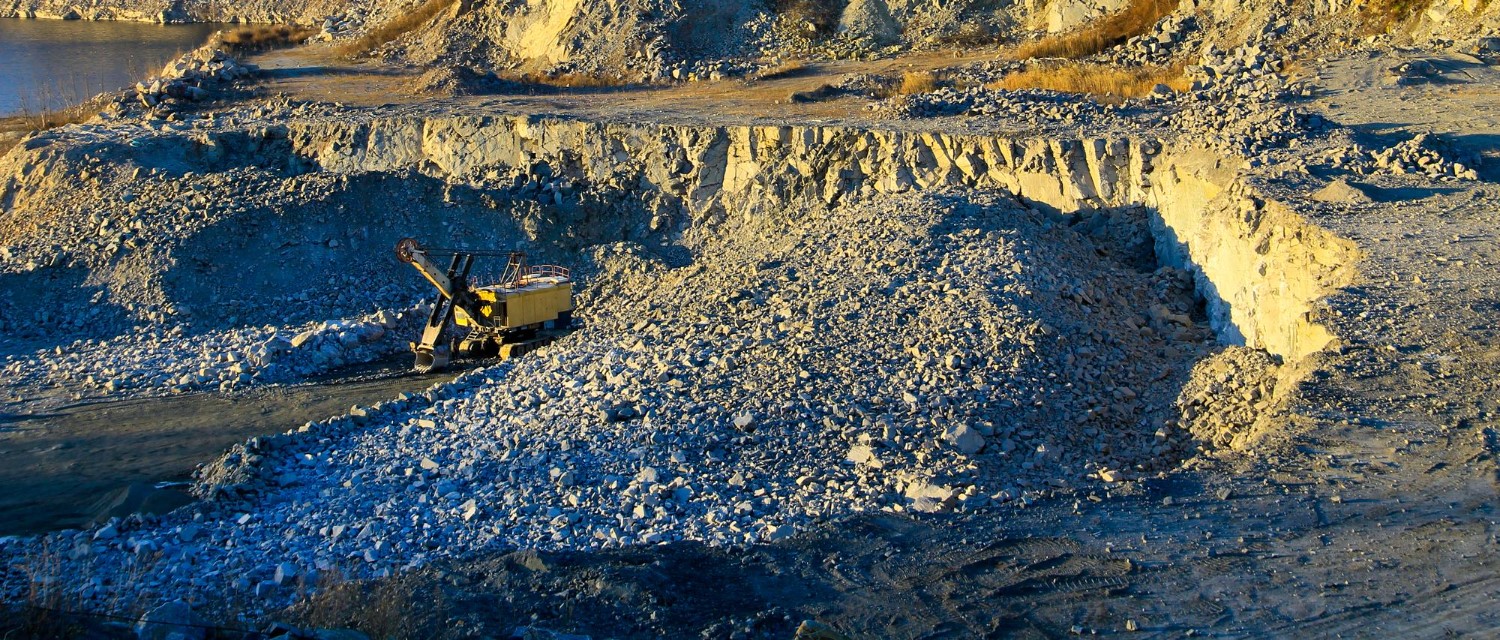
The Lok Sabha passed the Mines and Minerals (Development and Regulation) Amendment Bill, 2026 on August 12, introducing reforms aimed at strengthening India’s mineral sector and supporting greater exploration and development of critical minerals.
The reforms are particularly relevant to minerals such as lithium, cobalt, graphite and nickel, which are essential for electric vehicles, battery storage, renewable-energy technologies, semiconductors and other strategic industries. Increasing domestic availability of these resources could help India strengthen its supply chains for clean-energy and advanced manufacturing.
The Bill also seeks to provide greater flexibility in mining and mineral development. Among its provisions are measures allowing additional minerals to be included in existing mining leases, expanding the role of the National Mineral Exploration Trust to cover mineral development, and providing greater flexibility in the sale of minerals from captive mines.
By encouraging more exploration and improving the framework for mineral development, the reforms could help expand India's domestic mineral resource base and reduce vulnerabilities associated with dependence on external supplies. This is increasingly important as demand for critical minerals grows alongside electrification, battery deployment and renewable-energy expansion.
Extending MMDR flexibility to critical minerals - lithium, cobalt, graphite, nickel - addresses the strategic reality that India's clean-energy transition depends on secure supply for battery, semiconductor and renewable-technology inputs. Adjacent-lease additions, captive-mine flexibility and expanded NMET scope collectively reduce regulatory friction for domestic exploration and development.
The reforms align with parallel Indian critical-mineral programmes including overseas asset acquisition, PLI-supported downstream processing and strategic reserves discussion. Building end-to-end domestic value chains for critical minerals is a multi-decade project - MMDR reform provides essential foundation for the mining and early-processing steps.
For mining companies, battery manufacturers, EV and renewable OEMs and financial institutions supporting Indian critical-materials investment, Cognitud's supply chain and operations, market intelligence and sustainability due diligence teams help clients evaluate opportunities under the reformed framework, structure supplier and offtake arrangements aligned with domestic-content requirements, and prepare disclosures aligned with IRMA, TSM and BRSR expectations that increasingly determine access to sustainable-finance across critical-materials value chains.
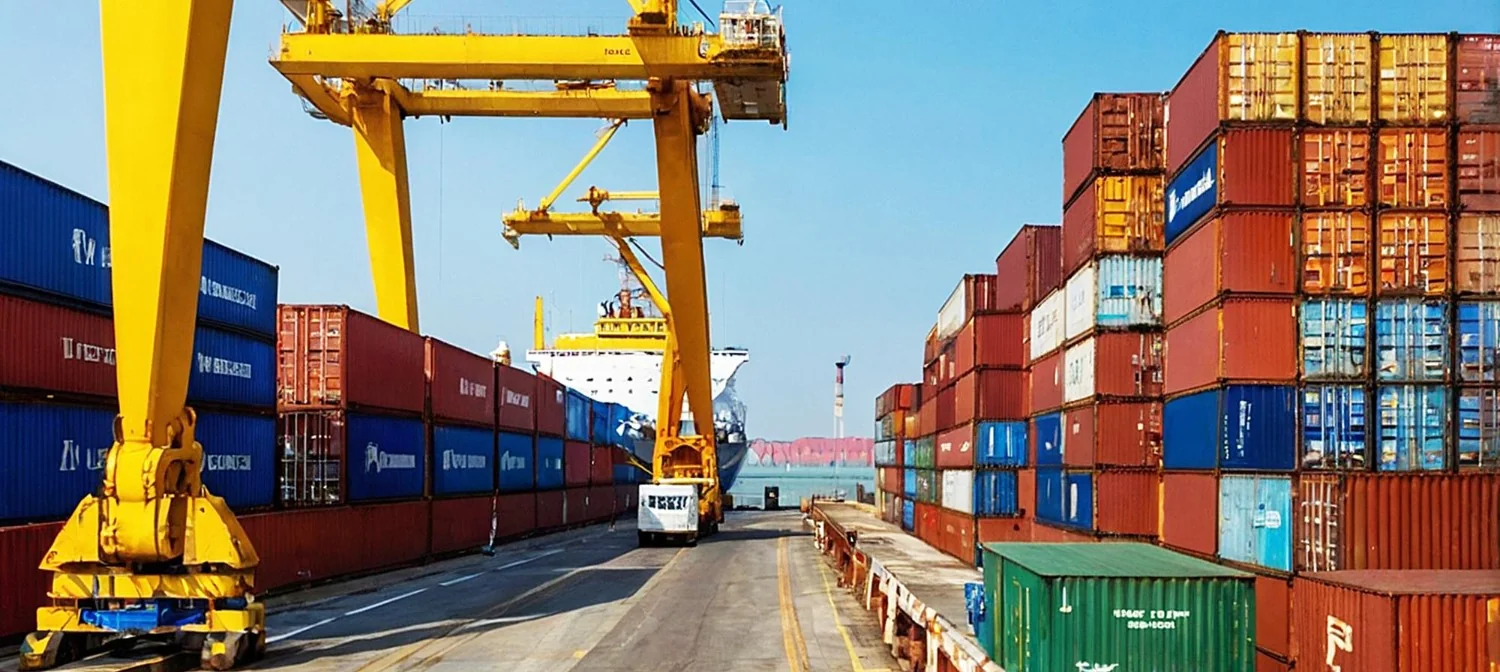
<ul><li><i>India is developing its first port-based e-methanol plant.</i></li><li><i>The ₹2,300-crore project is being developed through a partnership involving Deendayal Port Authority and Assam Petr…
.jpg)
• 𝘔𝘢𝘭𝘢𝘺𝘴𝘪𝘢 𝘢𝘯𝘥 𝘊𝘩𝘪𝘯𝘢 𝘢𝘳𝘦 𝘴𝘵𝘳𝘦𝘯𝘨𝘵𝘩𝘦𝘯𝘪𝘯𝘨 𝘣𝘪𝘭𝘢𝘵𝘦𝘳𝘢𝘭 𝘤𝘰𝘰𝘱𝘦𝘳𝘢𝘵𝘪𝘰𝘯 𝘰𝘯 𝘯𝘢𝘵𝘶𝘳𝘢𝘭 𝘳𝘦𝘴𝘰𝘶𝘳𝘤𝘦 𝘮𝘢𝘯𝘢𝘨𝘦𝘮𝘦𝘯𝘵 𝘢𝘯𝘥 𝘦𝘯𝘷𝘪𝘳𝘰𝘯𝘮𝘦𝘯𝘵𝘢𝘭 𝘴𝘶𝘴𝘵𝘢𝘪𝘯𝘢𝘣𝘪𝘭𝘪𝘵𝘺. • 𝘛𝘩𝘦 𝘱𝘢𝘳𝘵𝘯𝘦𝘳𝘴 𝘢𝘳𝘦 𝘦𝘹𝘱𝘭𝘰𝘳𝘪𝘯𝘨 𝘢 𝘱𝘳𝘰𝘱𝘰𝘴𝘦𝘥 𝘔𝘢𝘳𝘪𝘯𝘦 𝘌𝘯𝘷𝘪𝘳𝘰𝘯𝘮𝘦𝘯𝘵𝘢𝘭 𝘊𝘰𝘰𝘱𝘦𝘳𝘢𝘵𝘪𝘰𝘯 𝘈…

• 𝘔𝘦𝘹𝘪𝘤𝘰 𝘤𝘰𝘶𝘭𝘥 𝘳𝘦𝘥𝘶𝘤𝘦 𝘨𝘳𝘰𝘴𝘴 𝘰𝘪𝘭 𝘢𝘯𝘥 𝘨𝘢𝘴 𝘪𝘮𝘱𝘰𝘳𝘵𝘴 𝘣𝘺 34% 𝘣𝘺 2050 𝘵𝘩𝘳𝘰𝘶𝘨𝘩 𝘦𝘭𝘦𝘤𝘵𝘳𝘪𝘧𝘪𝘤𝘢𝘵𝘪𝘰𝘯 𝘢𝘯𝘥 𝘮𝘰𝘣𝘪𝘭𝘪𝘵𝘺 𝘴𝘩𝘪𝘧𝘵𝘴. • 𝘊𝘰𝘮𝘣𝘪𝘯𝘦𝘥 𝘦𝘭𝘦𝘤𝘵𝘳𝘪𝘧𝘪𝘤𝘢𝘵𝘪𝘰𝘯 𝘢𝘯𝘥 𝘱𝘶𝘣𝘭𝘪𝘤 𝘵𝘳𝘢𝘯𝘴𝘪𝘵 𝘤𝘰𝘶𝘭𝘥 𝘤𝘶𝘵 𝘶𝘳𝘣𝘢𝘯 𝘱𝘢𝘴𝘴𝘦𝘯𝘨𝘦𝘳 𝘵𝘳𝘢𝘯𝘴𝘱𝘰𝘳𝘵 𝘦𝘯𝘦𝘳𝘨𝘺 𝘤𝘰𝘯…