

02 September 2026
• France has introduced a new environmental tax on fast-fashion products, aimed at reducing the environmental impact of the textile industry. • The measure took effect on September 1, 2026, with charges applied to products based on factors such as the number of products a brand offers and their repairability. • The tax can currently add up to €12 per product, with the charge capped at 50% of the product’s pre-tax selling price. • The charges are set to increase over the coming years, potentially reaching between €2.20 and €20 per product by 2030. • France is also tightening rules around fast-fashion advertising, including restrictions on promotional activities by influencers, as the country seeks to address textile waste, overproduction and short product lifespans.
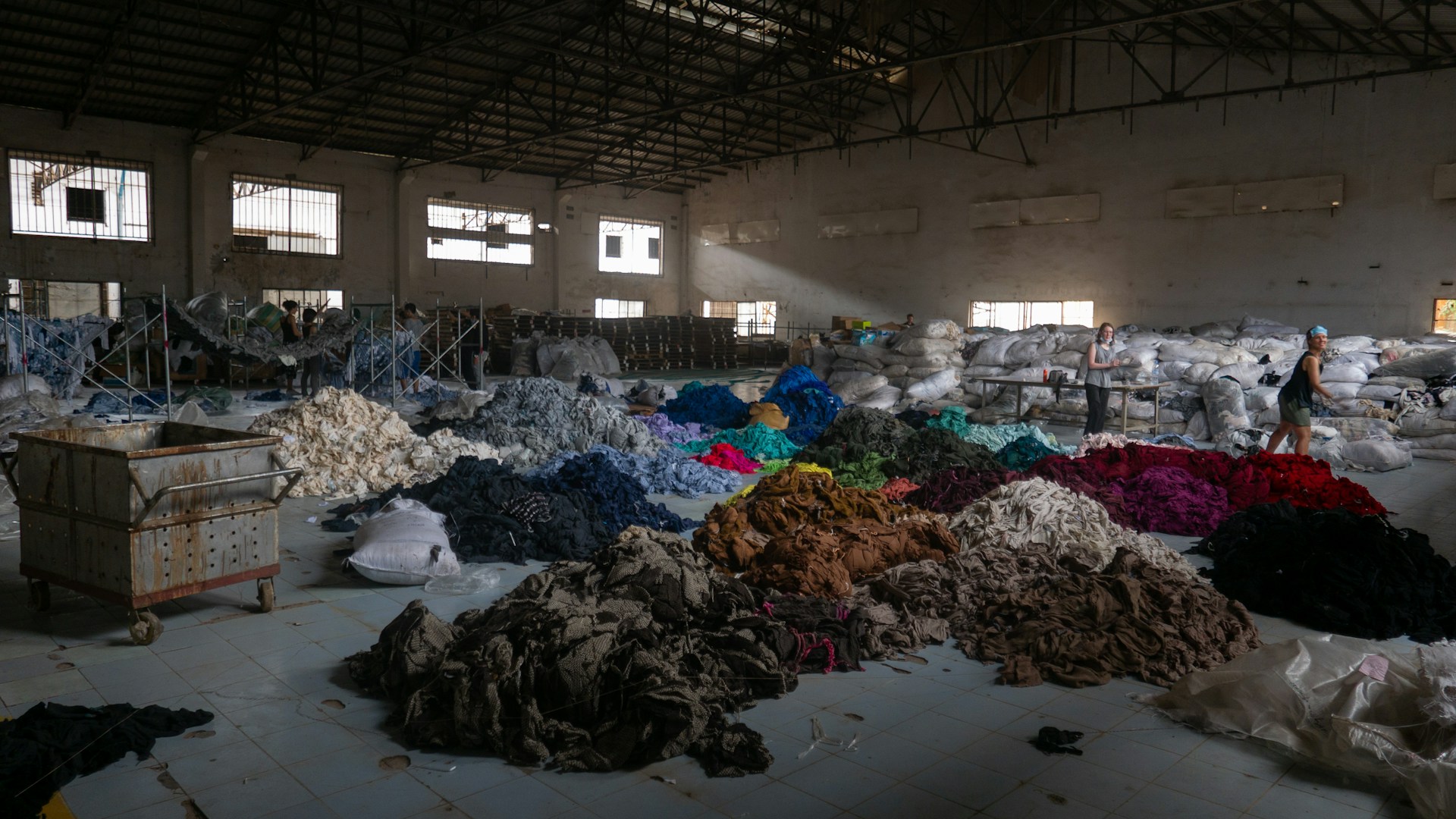
France has introduced a new environmental tax targeting fast-fashion products, with the measure taking effect on September 1, 2026. The policy forms part of the country’s efforts to reduce the environmental impact of the textile sector and encourage businesses and consumers to move towards more sustainable patterns of production and consumption.
The measure focuses on fashion businesses that introduce large numbers of new products while offering limited incentives for customers to repair them. It applies to clothing, footwear, household linen and other new textile products sold to consumers. Second-hand products are excluded from the measure.
Under the new system, producers will face additional environmental charges based on factors including the volume and frequency of new products they introduce and whether their products support repair. The charge currently ranges from €0.25 to €12 per product and cannot exceed 50% of the product’s selling price before tax.
The financial impact is expected to increase over time. By 2030, the charge could range from approximately €2.20 to €20 per product. By increasing the cost associated with products considered to have a higher environmental impact, the policy aims to encourage fashion companies to reduce excessive production, improve product durability and make repair a more viable part of their business models.
The new tax is accompanied by additional measures targeting fast fashion. France is also introducing tighter restrictions on advertising and promotional activity for fast-fashion platforms, including rules affecting influencer marketing. Together, these measures reflect growing concerns over the environmental consequences of high-volume fashion consumption, particularly textile waste and the short lifespan of clothing.
The policy represents a broader shift in how governments are addressing the environmental impact of the fashion industry. Environmental considerations are increasingly being incorporated directly into the economics of products, rather than remaining limited to voluntary sustainability commitments or corporate reporting.
For fashion businesses, this makes understanding product-level environmental impact increasingly important.
Cognitud’s work in sustainability assessment and impact measurement can help organisations translate environmental data into clearer business insights, from identifying areas of higher impact to understanding where improvements in materials, product durability and circularity can create value.
As regulatory expectations continue to evolve, stronger sustainability data and reporting systems can help businesses prepare for new requirements while making more informed decisions about their products and operations.

<ul><li><i>Saudi Arabia reaffirmed its commitment to environmental sustainability through the Saudi Green Initiative and National Environment Strategy at the 28th Meeting of GCC Ministers Responsible…
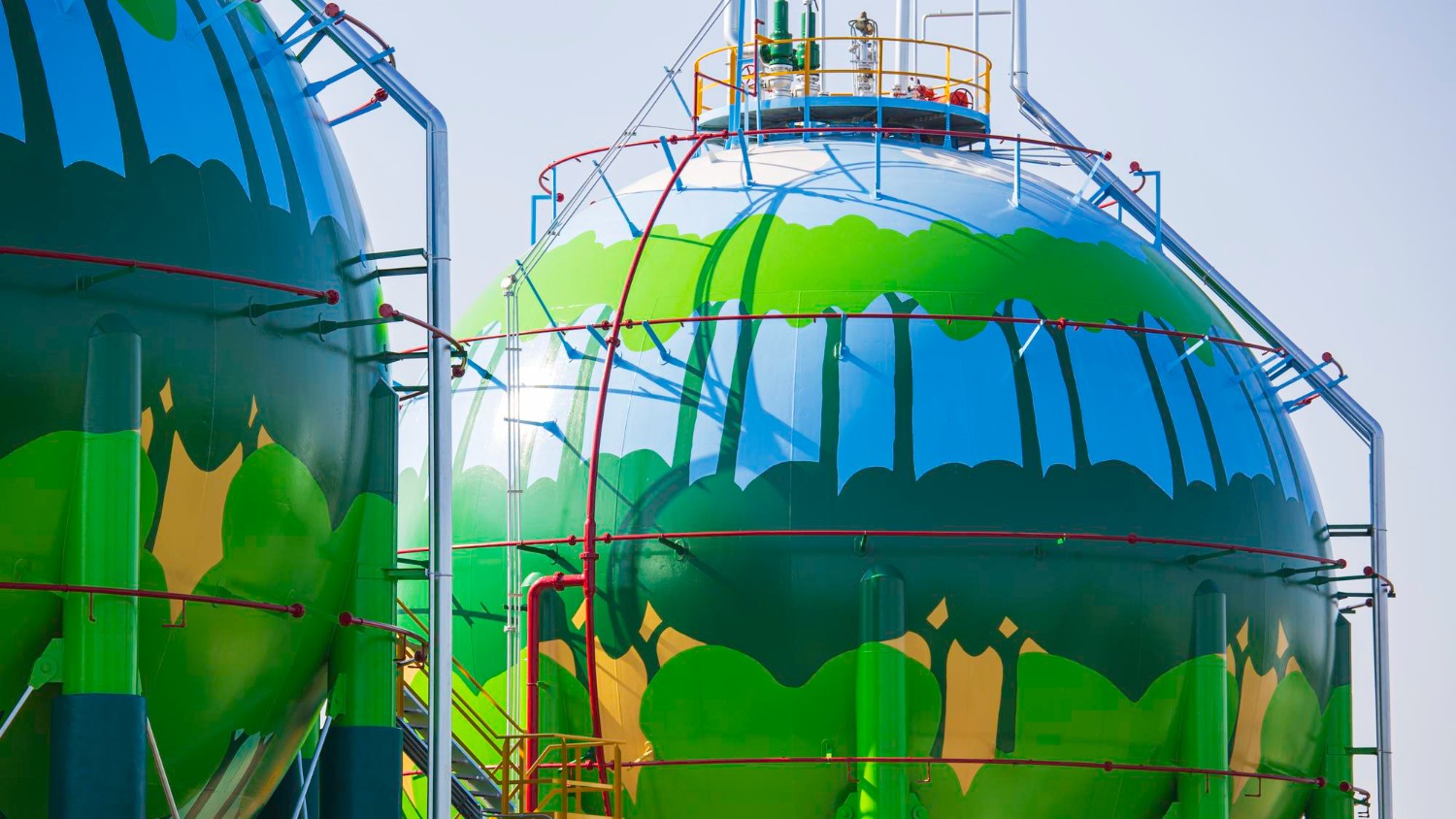
• 𝘛𝘩𝘦 𝘜𝘚 𝘌𝘗𝘈 𝘱𝘳𝘰𝘱𝘰𝘴𝘦𝘴 𝘳𝘦𝘢𝘭𝘭𝘰𝘤𝘢𝘵𝘪𝘯𝘨 100% 𝘰𝘧 𝘸𝘢𝘪𝘷𝘦𝘥 𝘣𝘪𝘰𝘧𝘶𝘦𝘭 𝘰𝘣𝘭𝘪𝘨𝘢𝘵𝘪𝘰𝘯𝘴 𝘵𝘰 𝘭𝘢𝘳𝘨𝘦𝘳 𝘳𝘦𝘧𝘪𝘯𝘦𝘳𝘴 𝘰𝘷𝘦𝘳 𝘧𝘶𝘵𝘶𝘳𝘦 𝘤𝘰𝘮𝘱𝘭𝘪𝘢𝘯𝘤𝘦 𝘺𝘦𝘢𝘳𝘴. • 𝘛𝘩𝘦 𝘱𝘳𝘰𝘱𝘰𝘴𝘢𝘭 𝘧𝘰𝘭𝘭𝘰𝘸𝘴 𝘦𝘹𝘦𝘮𝘱𝘵𝘪𝘰𝘯𝘴 𝘤𝘰𝘷𝘦𝘳𝘪𝘯𝘨 1.76 𝘣𝘪𝘭𝘭𝘪𝘰𝘯 𝘙𝘦𝘯𝘦𝘸𝘢𝘣𝘭𝘦 𝘐𝘥𝘦𝘯𝘵𝘪𝘧𝘪𝘤𝘢𝘵𝘪𝘰𝘯…
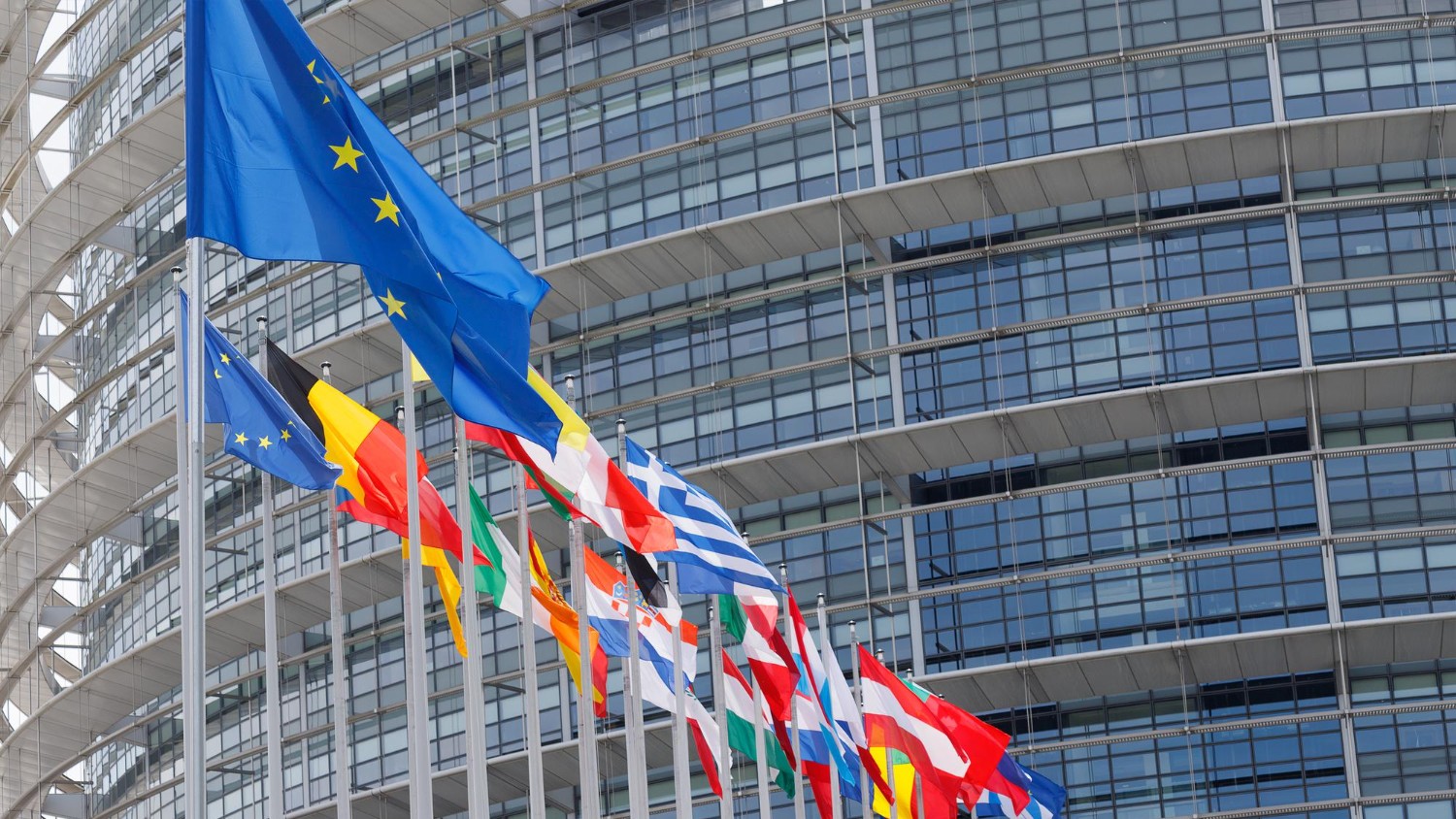
• 𝘛𝘩𝘦 𝘌𝘶𝘳𝘰𝘱𝘦𝘢𝘯 𝘜𝘯𝘪𝘰𝘯 𝘱𝘭𝘢𝘯𝘴 𝘵𝘰 𝘱𝘶𝘳𝘴𝘶𝘦 𝘢𝘯 𝘪𝘮𝘱𝘭𝘦𝘮𝘦𝘯𝘵𝘢𝘵𝘪𝘰𝘯-𝘧𝘰𝘤𝘶𝘴𝘦𝘥 𝘨𝘭𝘰𝘣𝘢𝘭 𝘦𝘮𝘪𝘴𝘴𝘪𝘰𝘯𝘴 𝘳𝘦𝘥𝘶𝘤𝘵𝘪𝘰𝘯 𝘢𝘨𝘳𝘦𝘦𝘮𝘦𝘯𝘵 𝘢𝘵 𝘊𝘖𝘗31 𝘪𝘯 𝘛𝘶𝘳𝘬𝘦𝘺. • 𝘛𝘩𝘦 𝘱𝘳𝘰𝘱𝘰𝘴𝘢𝘭 𝘴𝘦𝘦𝘬𝘴 𝘵𝘰 𝘦𝘹𝘵𝘦𝘯𝘥 𝘵𝘩𝘦 𝘜𝘯𝘪𝘵𝘦𝘥 𝘕𝘢𝘵𝘪𝘰𝘯𝘴’ 𝘮𝘪𝘵𝘪𝘨𝘢𝘵𝘪𝘰𝘯 𝘸𝘰𝘳𝘬 𝘱𝘳𝘰𝘨𝘳𝘢𝘮𝘮𝘦 𝘶𝘯𝘵…