

28 July 2025
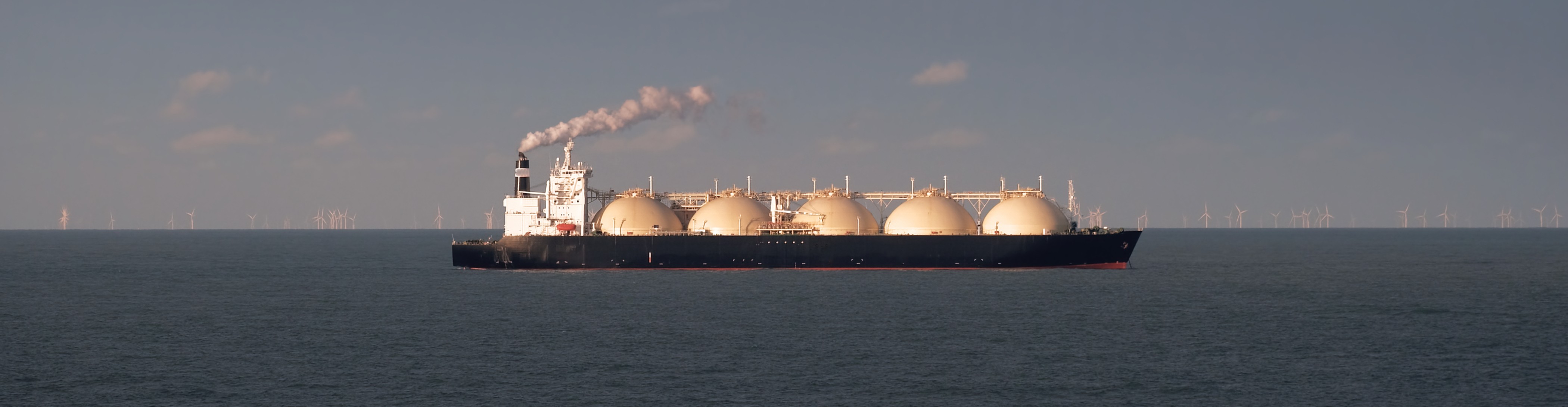
Europe’s ambitious push for sustainability through the new Corporate Sustainability Due Diligence Directive (CSDDD) sparked geopolitical tension last week, as Qatar reportedly threatened to reduce liquefied natural gas (LNG) supplies to the EU. According to a letter revealed by Reuters, QatarEnergy’s CEO Saad Sherida Al Kaabi warned Belgium that the bloc’s new regulatory framework could jeopardize ongoing energy cooperation.
The CSDDD, recently passed by the European Commission, mandates that large EU-based companies, including foreign entities with major EU operations - must identify and mitigate human rights and environmental violations throughout their global supply chains. This directive is seen as a cornerstone of the EU’s Green Deal and ethical business transformation agenda.
Qatar, one of the world’s top three LNG exporters, viewed the legislation as an overreach and a potential threat to its energy trade. The letter, dated 21 May and addressed to the Belgian government, expressed serious concern over the directive’s implications for existing energy contracts and Qatar’s operational sovereignty. Al Kaabi's warning signaled a possible recalibration of Qatar's supply commitments to the European market.
This development came at a time when Europe is working to diversify its energy sources post-Russia, with Qatar emerging as a key supplier. The diplomatic tension underscores the growing friction between energy security and sustainability enforcement. With winter approaching and gas reserves under constant scrutiny, Brussels now faces the challenge of balancing environmental values with strategic energy relationships.
The Qatar-EU standoff is a live case study of what happens when extraterritorial sustainability rules meet energy-security realities - and how CSDDD ultimately gets implemented in practice is going to be shaped by exactly these kinds of disputes. Our sustainability-due-diligence and market-intelligence teams help clients evaluate CSDDD exposure across energy and adjacent supply chains and build defensible due-diligence infrastructure.

• 𝘛𝘩𝘦 𝘜𝘈𝘌 𝘍𝘰𝘰𝘥 𝘉𝘢𝘯𝘬 𝘢𝘯𝘥 𝘋𝘶𝘣𝘢𝘪’𝘴 𝘊𝘰𝘮𝘮𝘶𝘯𝘪𝘵𝘺 𝘋𝘦𝘷𝘦𝘭𝘰𝘱𝘮𝘦𝘯𝘵 𝘈𝘶𝘵𝘩𝘰𝘳𝘪𝘵𝘺 (𝘊𝘋𝘈) 𝘩𝘢𝘷𝘦 𝘴𝘪𝘨𝘯𝘦𝘥 𝘢𝘯 𝘢𝘨𝘳𝘦𝘦𝘮𝘦𝘯𝘵 𝘵𝘰 𝘤𝘰𝘭𝘭𝘦𝘤𝘵 𝘢𝘯𝘥 𝘳𝘦𝘥𝘪𝘴𝘵𝘳𝘪𝘣𝘶𝘵𝘦 𝘴𝘶𝘳𝘱𝘭𝘶𝘴 𝘧𝘰𝘰𝘥 𝘧𝘳𝘰𝘮 𝘸𝘦𝘥𝘥𝘪𝘯𝘨𝘴 𝘢𝘯𝘥 𝘦𝘷𝘦𝘯𝘵𝘴. • 𝘛𝘩𝘦 𝘪𝘯𝘪𝘵𝘪𝘢𝘵𝘪𝘷𝘦 𝘸𝘪𝘭𝘭 𝘧𝘰𝘭𝘭𝘰𝘸 𝘢𝘱𝘱𝘳𝘰𝘷𝘦𝘥…

<ul><li><i>India’s rooftop solar capacity reached 30.7 GW in July 2026, increasing the need for better grid management and flexibility.</i></li><li><i>Kerala and Maharashtra are exploring battery ener…

• 𝘛𝘩𝘦 𝘌𝘐𝘉 𝘎𝘳𝘰𝘶𝘱 𝘱𝘭𝘢𝘯𝘴 𝘵𝘰 𝘱𝘳𝘰𝘷𝘪𝘥𝘦 𝘢𝘵 𝘭𝘦𝘢𝘴𝘵 €30 𝘣𝘪𝘭𝘭𝘪𝘰𝘯 𝘧𝘰𝘳 𝘤𝘭𝘪𝘮𝘢𝘵𝘦 𝘢𝘥𝘢𝘱𝘵𝘢𝘵𝘪𝘰𝘯 𝘣𝘦𝘵𝘸𝘦𝘦𝘯 2026 𝘢𝘯𝘥 2030. • 𝘛𝘩𝘦 𝘯𝘦𝘸 𝘵𝘢𝘳𝘨𝘦𝘵 𝘥𝘰𝘶𝘣𝘭𝘦𝘴 𝘢𝘥𝘢𝘱𝘵𝘢𝘵𝘪𝘰𝘯 𝘧𝘪𝘯𝘢𝘯𝘤𝘪𝘯𝘨 𝘤𝘰𝘮𝘱𝘢𝘳𝘦𝘥 𝘸𝘪𝘵𝘩 𝘵𝘩𝘦 𝘱𝘳𝘦𝘷𝘪𝘰𝘶𝘴 𝘧𝘪𝘷𝘦-𝘺𝘦𝘢𝘳 𝘱𝘦𝘳𝘪𝘰𝘥. • 𝘍𝘶𝘯𝘥𝘪𝘯𝘨…