


26 May 2026
The European Union and Mexico strengthened their long-term partnership at their first bilateral summit in more than a decade, signing the Modernised Global Agreement (MGA) and interim Trade Agreement (iTA) on May 22, 2026, in Mexico City. The agreements expand cooperation beyond trade to include climate action, environmental protection, energy transition and sustainable economic development.
The agreements were signed by Ursula von der Leyen, António Costa and Claudia Sheinbaum during the eighth EU–Mexico Summit. The updated framework modernises the existing 2000 agreement and introduces provisions covering services, investment, government procurement and strategic sectors supporting the green and digital transition.
According to the European Commission, the agreement also strengthens commitments on climate and labour standards while improving cooperation on critical raw materials and supply chains needed for clean technologies. Officials said the new framework is intended to support resilient growth and increase opportunities for businesses and investors across both regions.
Alongside the trade agenda, leaders agreed to expand collaboration on energy, research, innovation and environmental priorities. The summit also reflected a broader effort by both sides to diversify international partnerships and reinforce long-term cooperation amid shifting global trade dynamics.
The EU-Mexico Modernised Global Agreement and interim Trade Agreement combine trade liberalisation with substantive climate action, environmental protection, energy transition and sustainable development provisions. Multi-dimensional agreements typically deliver more durable sustainability outcomes than pure trade agreements because sustainability is embedded in commercial-relationship architecture rather than treated as separate consideration.
The critical-raw-materials and supply-chain provisions are strategically important. Mexico's mineral resources combined with EU manufacturing demand creates supply-chain configuration that reduces both parties' exposure to concentrated Chinese processing markets. Well-designed critical-materials trade partnerships support both sustainability and strategic-autonomy objectives.
For companies with EU-Mexico trade exposure, mining and processing companies, EV and renewable manufacturers and financial institutions supporting cross-border critical-materials investment, Cognitud's supply chain and operations, sustainability due diligence and market intelligence teams help clients evaluate opportunities under the modernised framework, structure supplier partnerships aligned with critical-materials priorities, and prepare disclosures aligned with CSRD, ISSB and jurisdictional trade-sustainability frameworks.
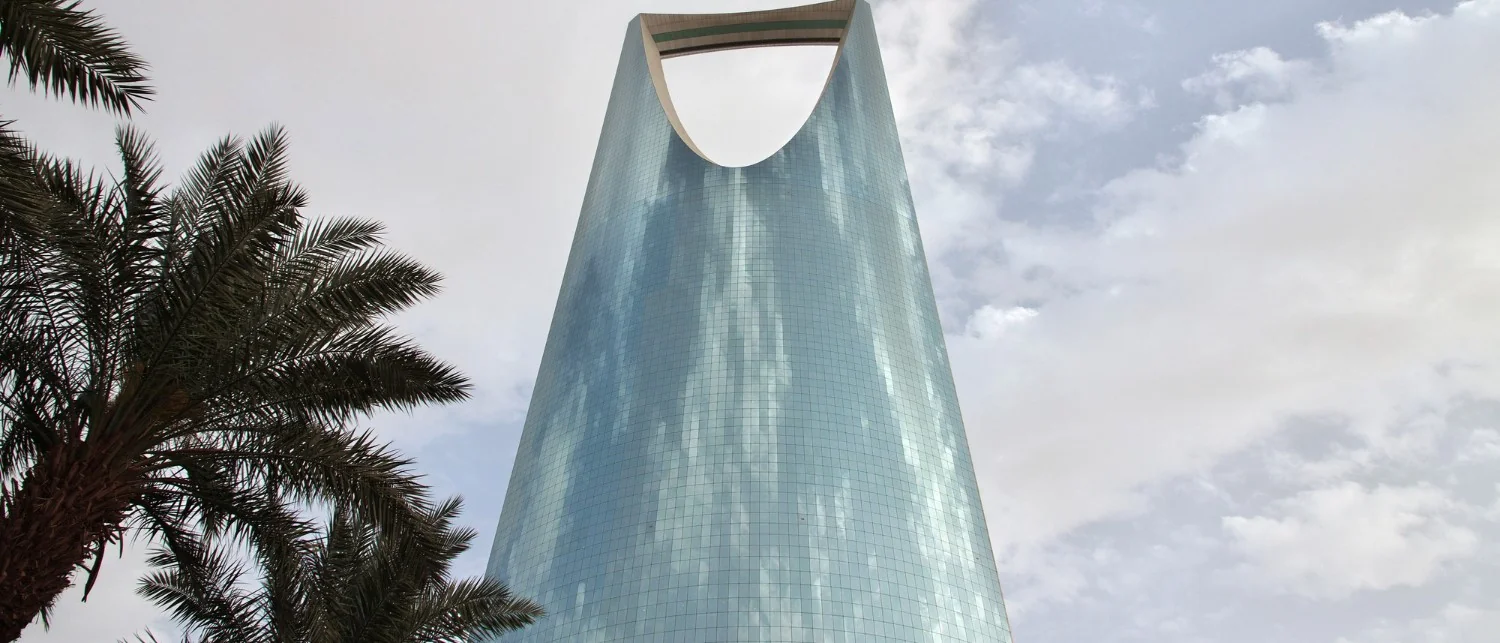
<ul><li><i>Saudi Arabia reaffirmed its commitment to environmental sustainability through the Saudi Green Initiative and National Environment Strategy at the 28th Meeting of GCC Ministers Responsible…
• 𝘛𝘩𝘦 𝘜𝘚 𝘌𝘗𝘈 𝘱𝘳𝘰𝘱𝘰𝘴𝘦𝘴 𝘳𝘦𝘢𝘭𝘭𝘰𝘤𝘢𝘵𝘪𝘯𝘨 100% 𝘰𝘧 𝘸𝘢𝘪𝘷𝘦𝘥 𝘣𝘪𝘰𝘧𝘶𝘦𝘭 𝘰𝘣𝘭𝘪𝘨𝘢𝘵𝘪𝘰𝘯𝘴 𝘵𝘰 𝘭𝘢𝘳𝘨𝘦𝘳 𝘳𝘦𝘧𝘪𝘯𝘦𝘳𝘴 𝘰𝘷𝘦𝘳 𝘧𝘶𝘵𝘶𝘳𝘦 𝘤𝘰𝘮𝘱𝘭𝘪𝘢𝘯𝘤𝘦 𝘺𝘦𝘢𝘳𝘴. • 𝘛𝘩𝘦 𝘱𝘳𝘰𝘱𝘰𝘴𝘢𝘭 𝘧𝘰𝘭𝘭𝘰𝘸𝘴 𝘦𝘹𝘦𝘮𝘱𝘵𝘪𝘰𝘯𝘴 𝘤𝘰𝘷𝘦𝘳𝘪𝘯𝘨 1.76 𝘣𝘪𝘭𝘭𝘪𝘰𝘯 𝘙𝘦𝘯𝘦𝘸𝘢𝘣𝘭𝘦 𝘐𝘥𝘦𝘯𝘵𝘪𝘧𝘪𝘤𝘢𝘵𝘪𝘰𝘯…
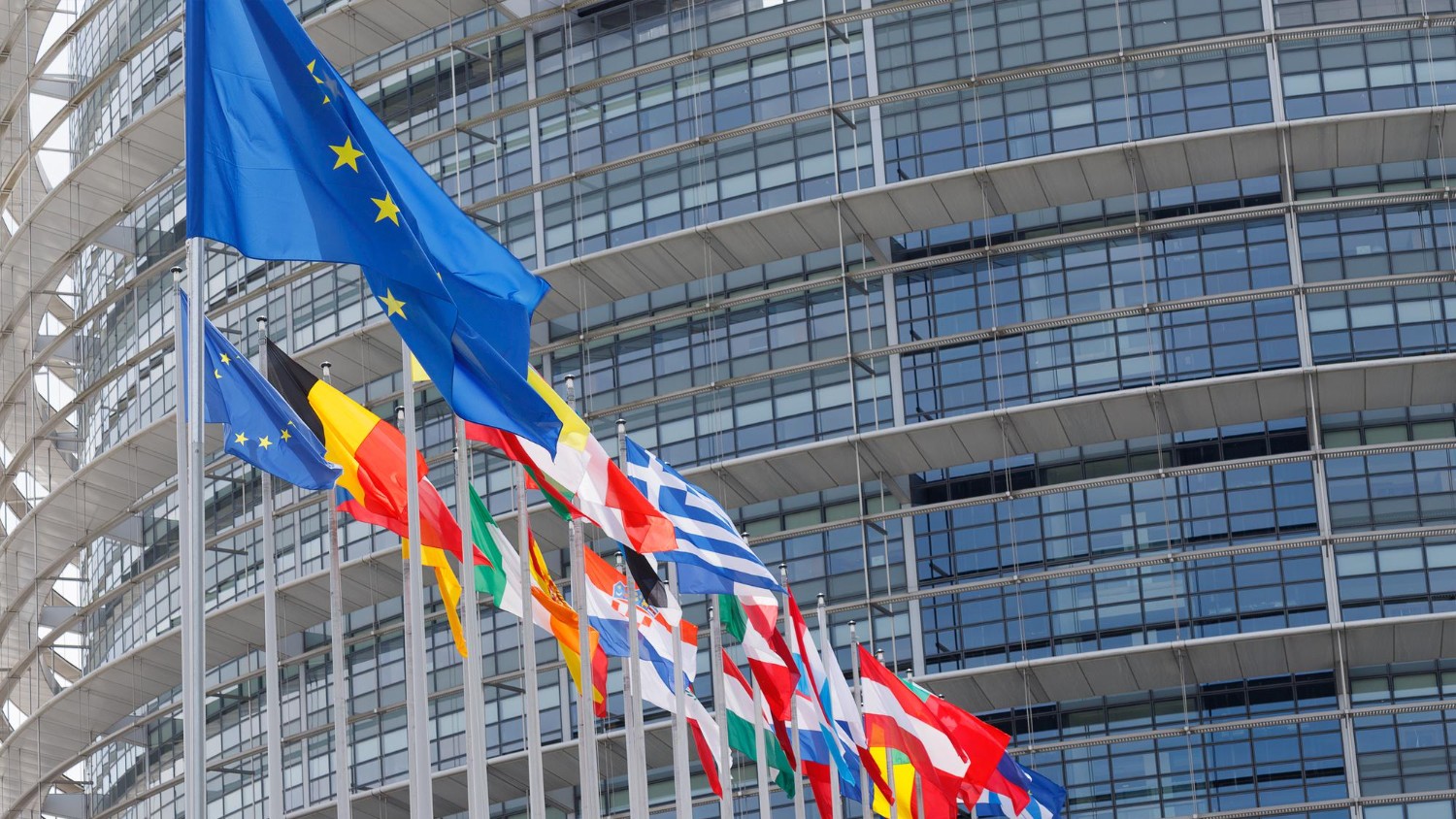
• 𝘛𝘩𝘦 𝘌𝘶𝘳𝘰𝘱𝘦𝘢𝘯 𝘜𝘯𝘪𝘰𝘯 𝘱𝘭𝘢𝘯𝘴 𝘵𝘰 𝘱𝘶𝘳𝘴𝘶𝘦 𝘢𝘯 𝘪𝘮𝘱𝘭𝘦𝘮𝘦𝘯𝘵𝘢𝘵𝘪𝘰𝘯-𝘧𝘰𝘤𝘶𝘴𝘦𝘥 𝘨𝘭𝘰𝘣𝘢𝘭 𝘦𝘮𝘪𝘴𝘴𝘪𝘰𝘯𝘴 𝘳𝘦𝘥𝘶𝘤𝘵𝘪𝘰𝘯 𝘢𝘨𝘳𝘦𝘦𝘮𝘦𝘯𝘵 𝘢𝘵 𝘊𝘖𝘗31 𝘪𝘯 𝘛𝘶𝘳𝘬𝘦𝘺. • 𝘛𝘩𝘦 𝘱𝘳𝘰𝘱𝘰𝘴𝘢𝘭 𝘴𝘦𝘦𝘬𝘴 𝘵𝘰 𝘦𝘹𝘵𝘦𝘯𝘥 𝘵𝘩𝘦 𝘜𝘯𝘪𝘵𝘦𝘥 𝘕𝘢𝘵𝘪𝘰𝘯𝘴’ 𝘮𝘪𝘵𝘪𝘨𝘢𝘵𝘪𝘰𝘯 𝘸𝘰𝘳𝘬 𝘱𝘳𝘰𝘨𝘳𝘢𝘮𝘮𝘦 𝘶𝘯𝘵…