With just two days remaining at COP31 in Antalya, negotiations continued on the transition away from fossil fuels, a proposed global electrification target for 2035, and financial support for developing countries. Beyond the negotiating rooms, another important story was unfolding: how commitments to reduce methane and other super pollutants could translate into tangible results through funding, partnerships, and practical action.
➣ The day began with a significant boost, as more than US$480 million in new philanthropic funding was announced. A further US$25 million was committed to the Super Pollutant Country Action Accelerator, which welcomed seven new countries, bringing its total participation to 14. Contributions from Canada, Finland, and Switzerland added momentum to country-led emissions reduction efforts.
➣ As the day progressed, international cooperation expanded. Australia endorsed an international statement on fossil fuel methane, while Mexico, Panama, and Cambodia joined the Black Carbon Peer Network. The launch of the 2026 Challenge Programme on organic waste, alongside progress on methane mitigation, highlighted opportunities to tackle emissions at their source, from major methane leaks to improved waste management.
➣ These interventions offer benefits beyond emissions reduction, particularly for public health and air quality. This connection came into focus at the Kazakhstan Pavilion, where the session Clean Air as a Product explored how cities can scale cleaner-air solutions, drawing on experience from Almaty and efforts to adapt relevant approaches in Kathmandu. Through Taza’s Brain–Voice–Bridge model and the launch of Clean Air Ambassadors, discussions highlighted how scientific evidence, public engagement, and institutional support can help cities turn clean-air priorities into action.
➣ However, delivering these benefits at scale requires investment. At the UK Pavilion, a roundtable on Financing Clean Air and Climate Solutions explored the economic case for action. Estimates discussed during the session suggested that every US$1 invested in integrated climate and clean-air solutions could generate approximately US$15 in wider economic and societal benefits. Even when considering more directly measurable market gains, including lower healthcare costs, improved productivity, and avoided damages, estimated returns were around US$4 for every US$1 invested.
Despite this potential, investment remains constrained by limited consideration of super pollutants in project design, a shortage of investment-ready projects, and institutional and technical barriers. The challenge is therefore not just demonstrating the value of climate action, but ensuring that funding reaches projects capable of delivering measurable results.
➣ As the discussions moved from investment challenges to regional opportunities, attention turned to Africa’s methane mitigation potential. At the Ethiopia Pavilion, representatives from Ethiopia, Kenya, and Senegal explored practical solutions ahead of COP32, scheduled for Addis Ababa in 2027. In agriculture, better animal feed, livestock health, breeding practices, and manure management can reduce emissions while supporting farmers. In waste management, organic waste separation, composting, biogas, improved collection, and dumpsite upgrades can reduce methane while creating cleaner communities.
Realising this potential will require African-led cooperation, stronger institutions, better project preparation, and financing aligned with local priorities. The discussions reinforced a recurring message throughout the day: effective climate solutions must be practical, locally relevant, and supported by the resources needed to scale them.
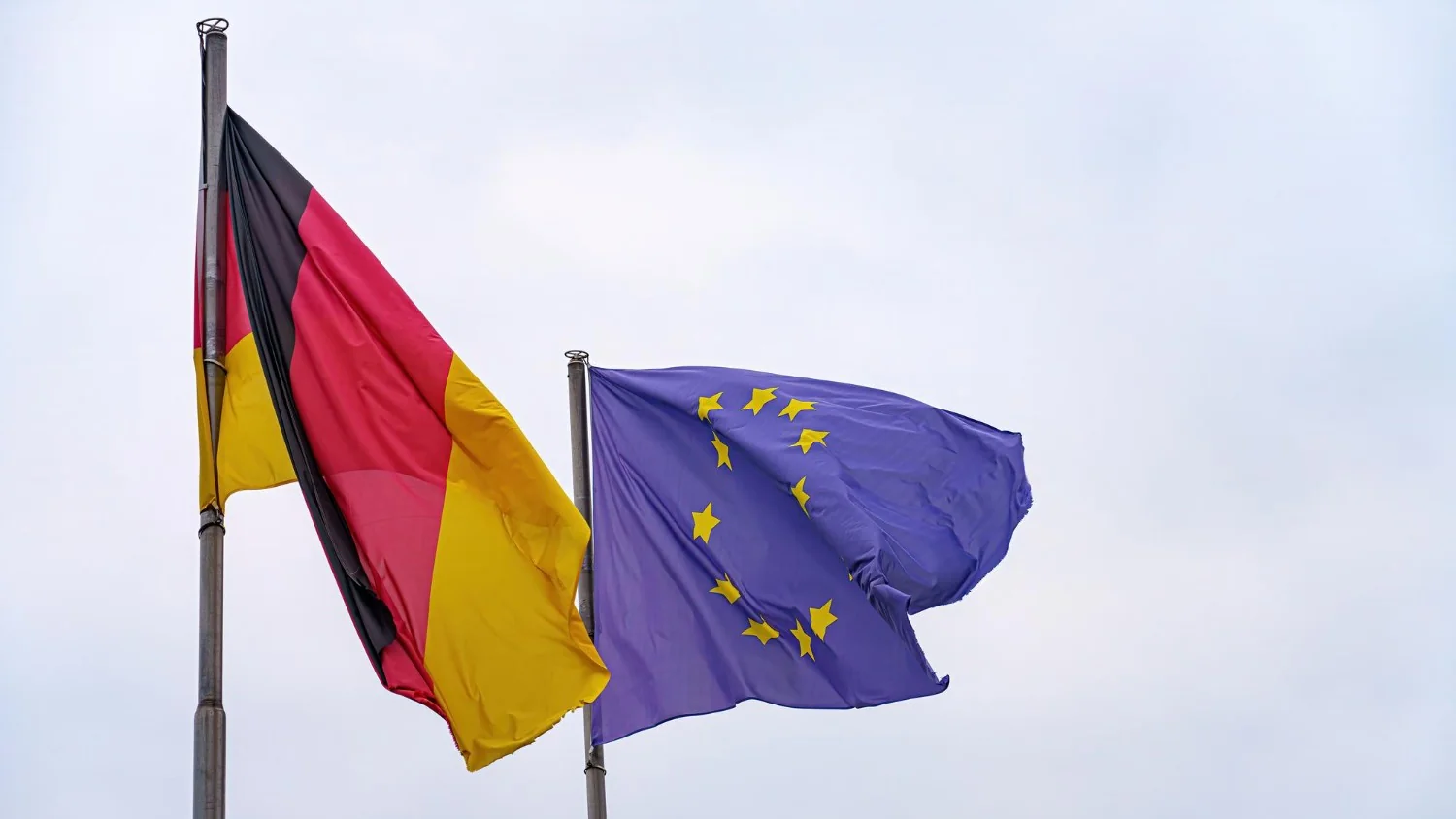
➣ As Day 9 drew to a close, attention shifted towards the final stretch of COP31. Germany is expected to lead the launch of the Global SF6 Pledge on 19 November, while a Co-Chair Town Hall in December will review conference outcomes and priorities for 2027.
Taken together, the day’s developments connected funding, international partnerships, cleaner cities, and regional emissions reduction around one central message: climate commitments deliver value when they lead to implementation.
For businesses, this reinforces the importance of understanding emissions across operations and supply chains and integrating sustainability into procurement, reporting, and investment decisions.