The fifth day of the 31st UN Climate Change Conference (COP31), held on 13 November 2026 in Antalya, Türkiye, marked a shift from high-level political discussions to negotiations on the decisions needed to advance global climate action. Following the conclusion of the World Leaders' Summit, attention centered on limiting global temperature overshoot, accelerating the energy transition, and improving access to climate finance. UN Secretary-General António Guterres urged governments to speed up emissions reductions and move away from fossil fuels, while developments across the day highlighted opportunities to address methane emissions, strengthen national capacity, and mobilize investment for practical climate solutions.
Key Highlights from Day 5
UN Secretary-General Urges Faster Emissions Reductions as Negotiations Begin: Addressing COP31 for the final time during his tenure as UN Secretary-General, António Guterres called for urgent action to limit the extent and duration of any overshoot of the Paris Agreement's 1.5°C temperature threshold. He stressed the need to accelerate emissions reductions and the transition away from fossil fuels. With the World Leaders' Summit concluded, negotiations shifted towards the conference's final decisions, particularly how countries can keep any breach of the 1.5°C threshold as short and limited as possible. Strengthening climate finance and turning existing commitments into concrete action also emerged as priorities for the negotiations.
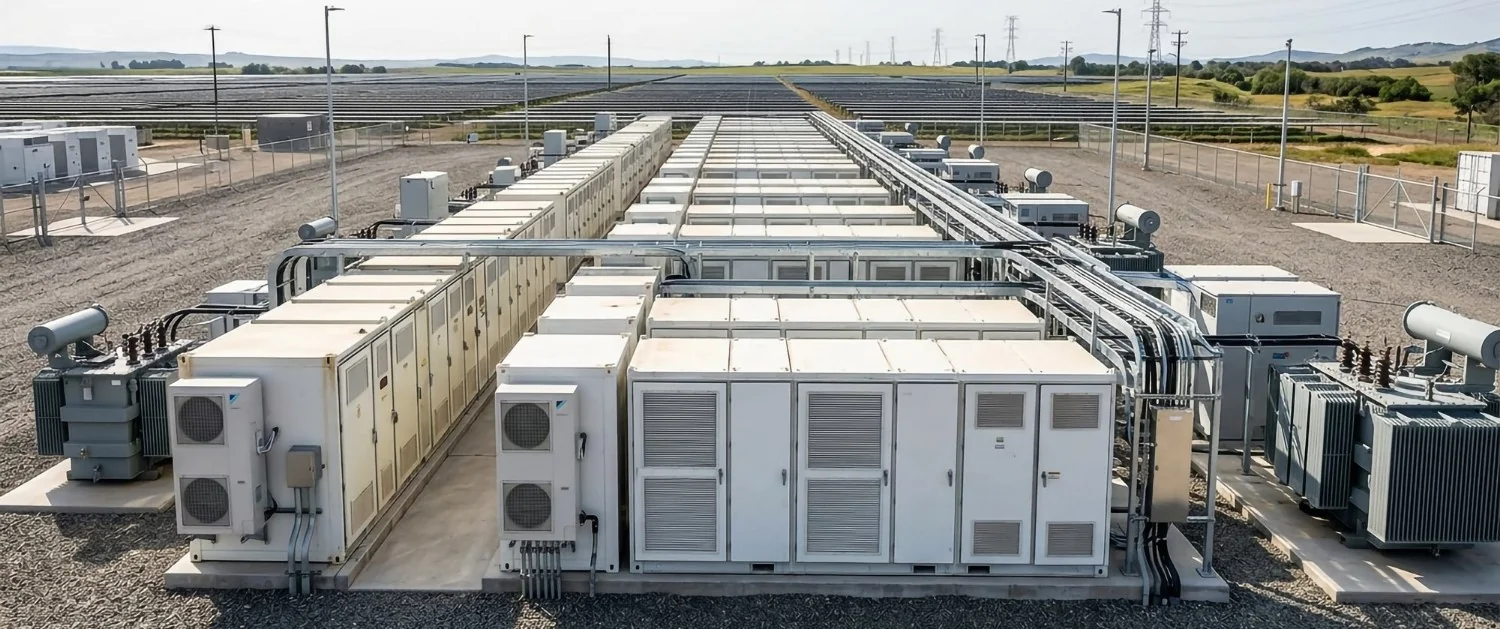
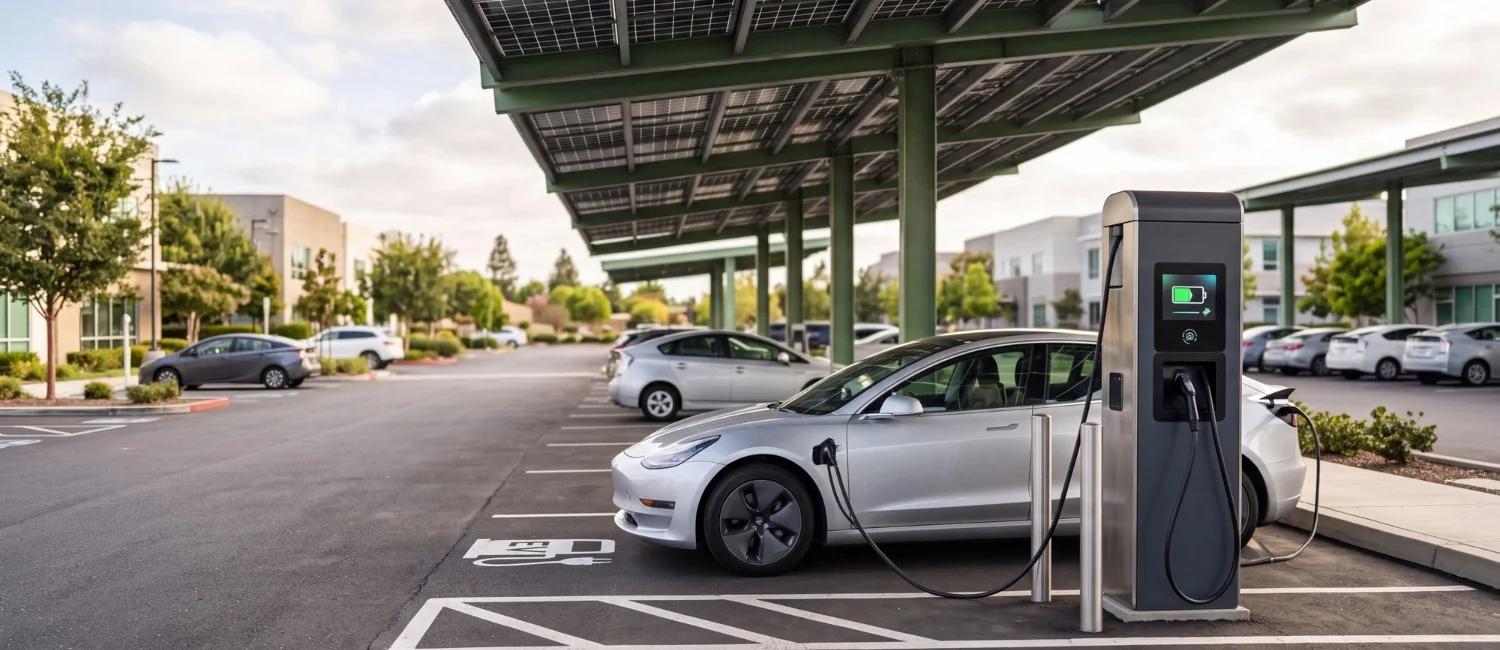
Global Electrification Takes Centre Stage in Discussions on the Energy Transition: The growing role of electricity in the global energy transition featured prominently in COP31 discussions. International Energy Agency (IEA) Executive Director Fatih Birol declared that the world had entered the "age of electricity", projecting that approximately 12,000 gigawatts of electricity generation capacity would be added globally over the next decade. This would be more than double the capacity installed during the previous ten years. Governments are also considering a proposal to increase electricity's share of global final energy consumption to 35% by 2035, although the target remains under negotiation. The proposal reflects growing attention to electrification as an important component of the transition, alongside the need to expand electricity generation and supporting infrastructure.
Climate Finance Dialogue Examines Access to Funding for Developing Countries: Climate finance gained further prominence as ministers and senior government representatives convened for the Seventh High-Level Ministerial Dialogue on Climate Finance. Discussions examined how developing countries could gain better access to adequate and predictable funding, while addressing the financing gap between climate commitments and projects ready for implementation. Participants also considered how investment could be better balanced between emissions reduction and climate adaptation. UN Climate Change Executive Secretary Simon Stiell called for a broader approach to climate finance, arguing that funding individual projects alone would not be sufficient to support lasting economic transformation. He pointed to the financial pressures facing developing countries, where climate-related disasters deepen debt burdens and increase the cost of accessing capital. The dialogue provided an opportunity to assess progress in raising and delivering climate finance in line with developing countries' needs and priorities. Its deliberations will also inform discussions at COP32.
Food Waste and Methane Reduction Highlight Opportunities for Climate Investment: A COP31 event brought together philanthropic organizations, financial institutions, and international partners to explore how tackling food loss and waste could reduce methane emissions while delivering wider economic and social benefits. Representatives of the Robertson Foundation highlighted the scale of the challenge, noting that approximately one-quarter to one-third of food is wasted in major cities. Addressing this problem could improve food availability, support livelihoods, and create employment opportunities, alongside reducing emissions. Financing was another central theme. Drawing on an initiative in Jujuy, Argentina, supported by the European Investment Bank, speakers discussed how philanthropic funding can help promising projects move beyond early development stages and attract larger-scale investment. Demonstrating measurable results and establishing financially viable projects were identified as important steps towards securing bank financing. Participants also called for closer engagement with farmers, better soil protection, and improved nutrient management. Greater corporate involvement, food sovereignty, and support for local agricultural communities were highlighted as additional considerations in scaling solutions. The discussions demonstrated how reducing food waste can connect methane mitigation with food security and local economic development.
New EIA Briefing Outlines How Super Pollutant Action Can Advance the SDGs: The Environmental Investigation Agency (EIA) launched its briefing, Investing in Super Pollutant Action Delivers the SDGs, examining how targeted action on methane, black carbon, and other super pollutants can contribute to the Sustainable Development Goals (SDGs). The report identifies 20 practical measures across five sectors: fossil fuel production, agriculture and food systems, waste management, cooling and refrigeration, and transport, cooking, and heating. Beyond reducing climate emissions, these measures offer wider development benefits, including improved air quality, fewer premature deaths, greater energy efficiency, and stronger food systems. However, the briefing points to significant barriers preventing countries from implementing proven solutions at scale. Limited institutional capacity, insufficient emissions data, and fragmented policy coordination can make it difficult to attract investment and translate national commitments into action. The CCAC's Super Pollutant Country Action Accelerator was highlighted as one way to address these gaps by helping governments establish dedicated national teams, strengthen technical capacity, and develop the policies and projects needed to achieve measurable results.
CCAC and Iraq Discuss Expanding Cooperation on Methane Mitigation and Air Quality: Strengthening country-level cooperation was another development on Day 5, as Martina Otto, Head of the CCAC Secretariat, met with Iraq's Minister of Environment, H.E. Sarwa Abdulwahid Qadir, to discuss opportunities for further collaboration. The Minister highlighted Iraq's growing vulnerability to climate change and expressed interest in expanding support to address air pollution from industrial activities and the oil and gas sector. Waste management and early warning systems were also identified as potential areas for future assistance. The meeting builds on Iraq's existing engagement with the CCAC, which it joined in 2015. Current cooperation includes technical assistance to incorporate methane and black carbon into Iraq's updated Nationally Determined Contribution (NDC 3.0), as well as work to improve leak detection and repair and strengthen vapor recovery in the oil and gas sector. The discussions opened further opportunities to advance methane mitigation and improve air quality through technical cooperation and stronger national action.
COP31's fifth day brought a change in emphasis, with attention moving from world leaders' announcements to the negotiations, financing requirements, and practical measures needed to advance climate action. Discussions underscored the importance of accelerating electrification, improving access to climate finance, and addressing methane emissions through solutions that also support food security and economic development. The EIA briefing further demonstrated how reducing super pollutants can contribute to wider development priorities, while the meeting with Iraq highlighted the role of international cooperation in strengthening national capacity. As the conference moves deeper into negotiations, reaching agreement on meaningful implementation measures and ensuring that countries have the resources and institutional support to deliver them will remain central to its progress."