

15 September 2025
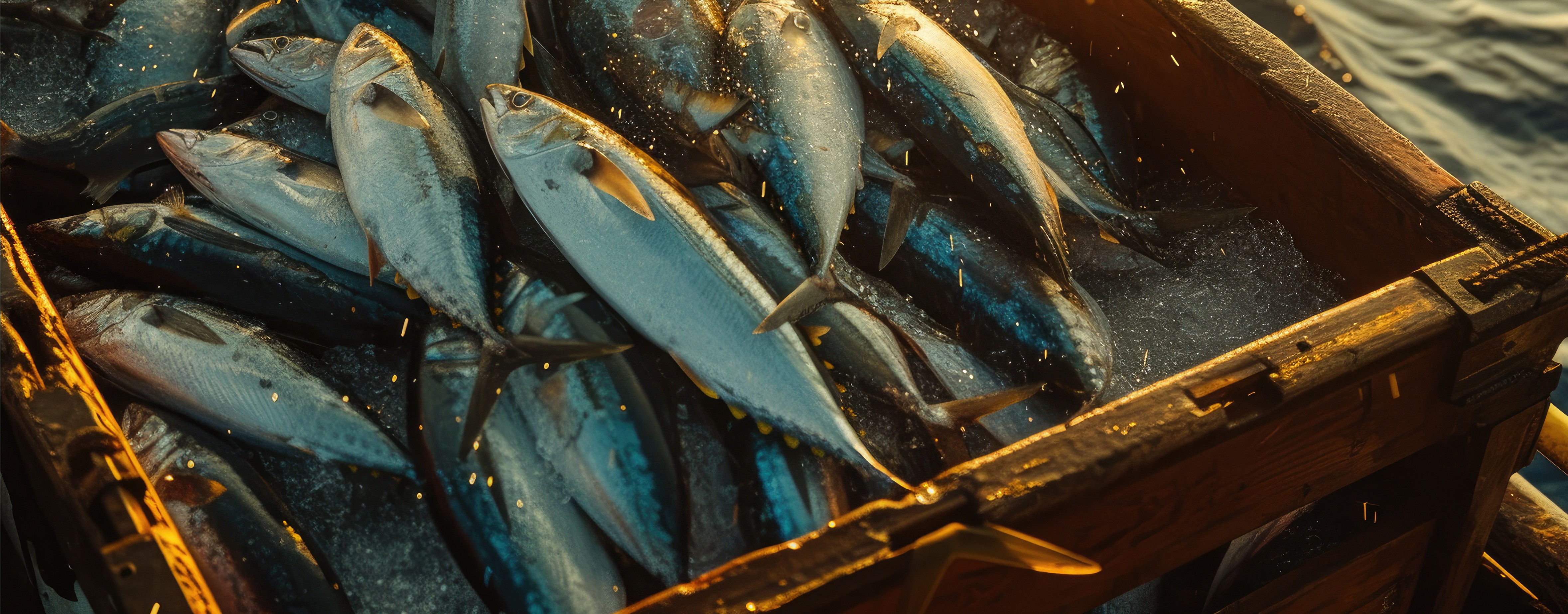
A coalition of Europe’s leading fisheries and aquaculture organizations urged the European Commission to adopt a dedicated Blue Foods Action Plan to tackle food security risks, declining local production, and sustainability challenges. The call, made during an event in Brussels on September 3, came against the backdrop of falling seafood consumption in Europe, rising dependence on imports, and increasing diet-related health concerns.
Industry leaders pointed out that blue foods – such as wild-caught and farmed fish and seafood – not only delivered essential nutrients like omega-3s, vitamins, and minerals but also carried a lower carbon and resource footprint compared to many land-based proteins.
Beyond their nutritional value, they highlighted the sector’s contribution to millions of jobs in rural and coastal communities, emphasizing that Europe’s declining production capacity posed risks to both livelihoods and long-term food security.
Policymakers echoed these concerns, with representatives from the European Parliament and the European Economic and Social Committee stressing that blue foods must form a central pillar of the EU’s Ocean Pact and sustainable food strategy. They underlined that without a strong and coordinated commitment to responsible fisheries and aquaculture, Europe risked undermining its ability to meet local demand, safeguard fair trade conditions, and build resilient, future-oriented food systems.
The Blue Foods Action Plan advocacy addresses a genuine gap in EU food-system strategy - the historical bias toward land-based agriculture policy has left aquatic food systems (wild-caught, farmed) with less coherent policy support. Declining European production combined with rising import dependence creates food-security and trade-balance concerns that broader Ocean Pact frameworks can address.
The lower carbon-and-resource footprint framing for aquatic proteins is analytically important. Well-managed wild-caught fisheries and sustainable aquaculture typically outperform terrestrial livestock on greenhouse-gas, land-use and freshwater metrics; policy support for aquatic food systems can advance both food security and climate goals simultaneously.
For fisheries operators, aquaculture producers, seafood processors, retailers and financial institutions supporting European blue-economy investment, Cognitud's nature-based solutions, supply chain and operations and impact assessment teams help clients evaluate Blue-Foods-Action-Plan-linked opportunities, structure long-term commercial arrangements aligned with sustainable sourcing and Ocean Pact frameworks, and prepare disclosures aligned with CSRD, MSC, ASC, ISSB and jurisdictional blue-economy frameworks.

• 𝘛𝘩𝘦 𝘜𝘈𝘌 𝘍𝘰𝘰𝘥 𝘉𝘢𝘯𝘬 𝘢𝘯𝘥 𝘋𝘶𝘣𝘢𝘪’𝘴 𝘊𝘰𝘮𝘮𝘶𝘯𝘪𝘵𝘺 𝘋𝘦𝘷𝘦𝘭𝘰𝘱𝘮𝘦𝘯𝘵 𝘈𝘶𝘵𝘩𝘰𝘳𝘪𝘵𝘺 (𝘊𝘋𝘈) 𝘩𝘢𝘷𝘦 𝘴𝘪𝘨𝘯𝘦𝘥 𝘢𝘯 𝘢𝘨𝘳𝘦𝘦𝘮𝘦𝘯𝘵 𝘵𝘰 𝘤𝘰𝘭𝘭𝘦𝘤𝘵 𝘢𝘯𝘥 𝘳𝘦𝘥𝘪𝘴𝘵𝘳𝘪𝘣𝘶𝘵𝘦 𝘴𝘶𝘳𝘱𝘭𝘶𝘴 𝘧𝘰𝘰𝘥 𝘧𝘳𝘰𝘮 𝘸𝘦𝘥𝘥𝘪𝘯𝘨𝘴 𝘢𝘯𝘥 𝘦𝘷𝘦𝘯𝘵𝘴. • 𝘛𝘩𝘦 𝘪𝘯𝘪𝘵𝘪𝘢𝘵𝘪𝘷𝘦 𝘸𝘪𝘭𝘭 𝘧𝘰𝘭𝘭𝘰𝘸 𝘢𝘱𝘱𝘳𝘰𝘷𝘦𝘥…
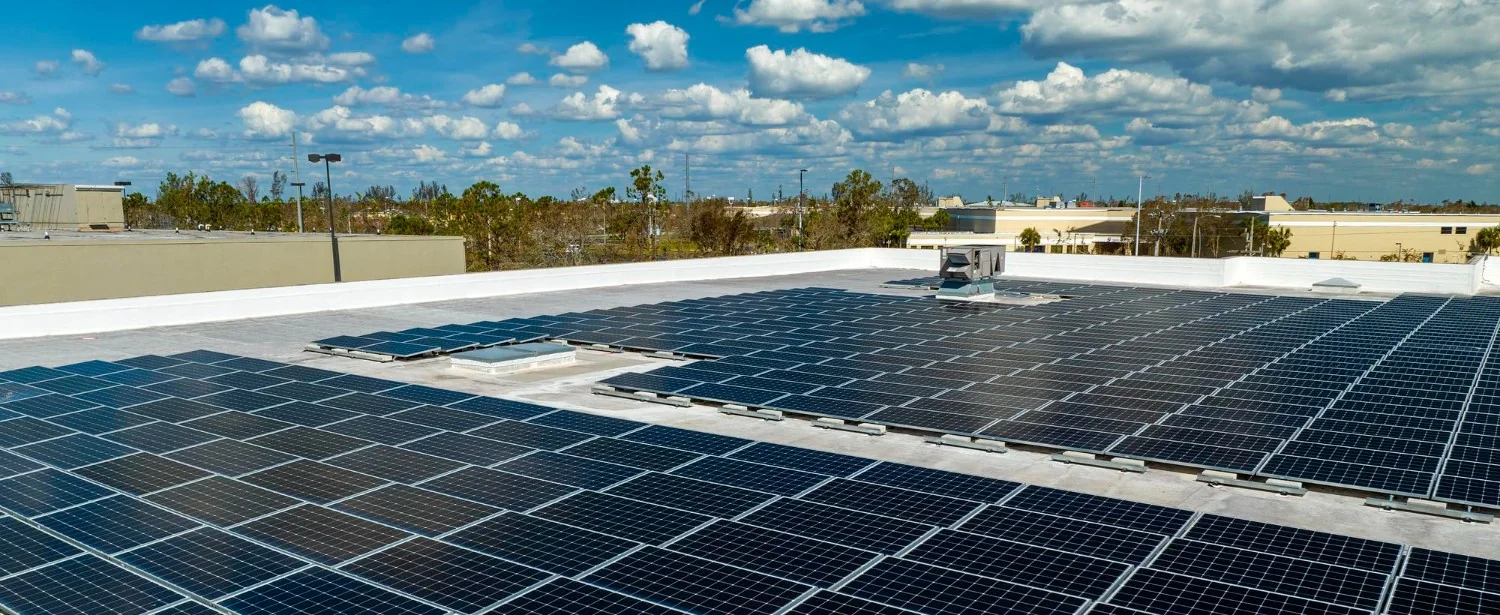
<ul><li><i>India’s rooftop solar capacity reached 30.7 GW in July 2026, increasing the need for better grid management and flexibility.</i></li><li><i>Kerala and Maharashtra are exploring battery ener…
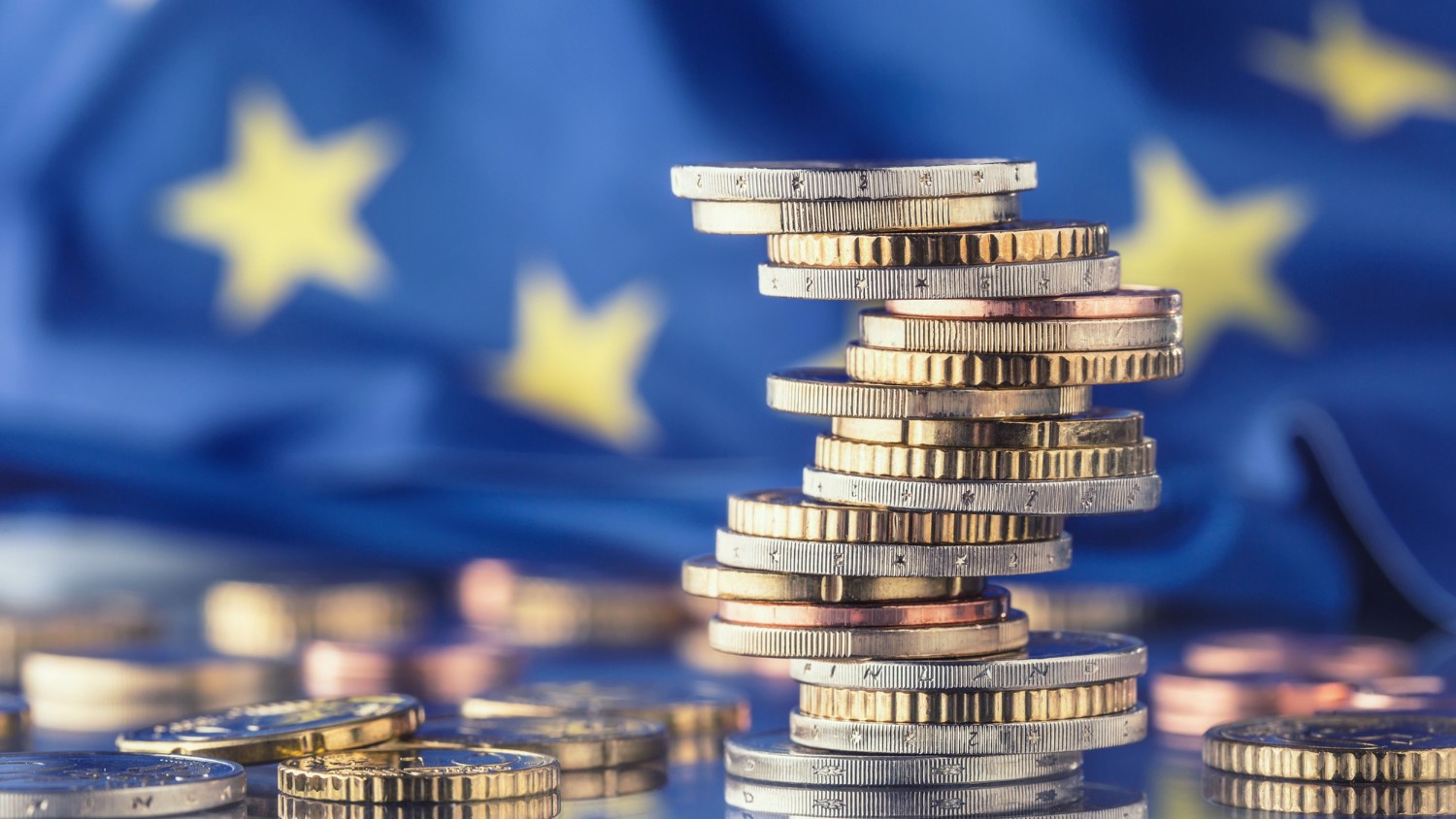
• 𝘛𝘩𝘦 𝘌𝘐𝘉 𝘎𝘳𝘰𝘶𝘱 𝘱𝘭𝘢𝘯𝘴 𝘵𝘰 𝘱𝘳𝘰𝘷𝘪𝘥𝘦 𝘢𝘵 𝘭𝘦𝘢𝘴𝘵 €30 𝘣𝘪𝘭𝘭𝘪𝘰𝘯 𝘧𝘰𝘳 𝘤𝘭𝘪𝘮𝘢𝘵𝘦 𝘢𝘥𝘢𝘱𝘵𝘢𝘵𝘪𝘰𝘯 𝘣𝘦𝘵𝘸𝘦𝘦𝘯 2026 𝘢𝘯𝘥 2030. • 𝘛𝘩𝘦 𝘯𝘦𝘸 𝘵𝘢𝘳𝘨𝘦𝘵 𝘥𝘰𝘶𝘣𝘭𝘦𝘴 𝘢𝘥𝘢𝘱𝘵𝘢𝘵𝘪𝘰𝘯 𝘧𝘪𝘯𝘢𝘯𝘤𝘪𝘯𝘨 𝘤𝘰𝘮𝘱𝘢𝘳𝘦𝘥 𝘸𝘪𝘵𝘩 𝘵𝘩𝘦 𝘱𝘳𝘦𝘷𝘪𝘰𝘶𝘴 𝘧𝘪𝘷𝘦-𝘺𝘦𝘢𝘳 𝘱𝘦𝘳𝘪𝘰𝘥. • 𝘍𝘶𝘯𝘥𝘪𝘯𝘨…