

.jpg)
17 March 2026
Canada’s climate strategy under Prime Minister Mark Carney is facing fresh uncertainty, as negotiations with the oil industry over a strengthened carbon pricing framework appear unlikely to meet a key April 1 deadline.
The proposed policy-central to Canada’s emissions reduction roadmap-aims to increase the carbon price on heavy emitters in Alberta from C$95 to C$130 per tonne. However, talks between federal officials and major oil sands producers have proven difficult, with industry leaders pushing back on higher costs and regulatory burdens.
The delay raises concerns about Canada’s ability to meet its climate commitments under the Paris Agreement, especially after the government rolled back several earlier policies introduced under former Prime Minister Justin Trudeau. A December report had already warned the country is off track to meet its 2030 emissions targets.
Complicating matters further is uncertainty around the C$16 billion Pathways Plus carbon capture project, a flagship initiative backed by Canada’s largest oil sands companies. Industry sources suggest companies may scale down their commitments, citing high costs and concerns about paying carbon pricing on top of carbon capture investments.
Meanwhile, global dynamics are shifting. Rising oil prices-now near $100 per barrel-and geopolitical tensions have increased demand for Canadian oil, encouraging producers to expand output and explore new export markets in Asia. Canada is also seeking to reduce its heavy reliance on the United States, which currently buys about 90% of its oil exports.
Industry groups, including the Canadian Association of Petroleum Producers, argue that higher carbon costs could undermine competitiveness, particularly as fewer countries impose similar pricing mechanisms on industrial emitters.
Government officials maintain that negotiations are ongoing and emphasize the need to balance economic growth with environmental responsibility. However, with deadlines slipping and industry resistance mounting, Canada’s path to aligning energy expansion with climate commitments is becoming increasingly complex.
Industry-lobby-driven delays on carbon pricing are a live example of how policy gets recalibrated at the intersection of climate ambition and industrial-competitiveness politics. Our climate-action and market-intelligence teams help clients build carbon-pricing scenario planning that stays robust across delay paths.

• 𝘛𝘩𝘦 𝘜𝘈𝘌 𝘍𝘰𝘰𝘥 𝘉𝘢𝘯𝘬 𝘢𝘯𝘥 𝘋𝘶𝘣𝘢𝘪’𝘴 𝘊𝘰𝘮𝘮𝘶𝘯𝘪𝘵𝘺 𝘋𝘦𝘷𝘦𝘭𝘰𝘱𝘮𝘦𝘯𝘵 𝘈𝘶𝘵𝘩𝘰𝘳𝘪𝘵𝘺 (𝘊𝘋𝘈) 𝘩𝘢𝘷𝘦 𝘴𝘪𝘨𝘯𝘦𝘥 𝘢𝘯 𝘢𝘨𝘳𝘦𝘦𝘮𝘦𝘯𝘵 𝘵𝘰 𝘤𝘰𝘭𝘭𝘦𝘤𝘵 𝘢𝘯𝘥 𝘳𝘦𝘥𝘪𝘴𝘵𝘳𝘪𝘣𝘶𝘵𝘦 𝘴𝘶𝘳𝘱𝘭𝘶𝘴 𝘧𝘰𝘰𝘥 𝘧𝘳𝘰𝘮 𝘸𝘦𝘥𝘥𝘪𝘯𝘨𝘴 𝘢𝘯𝘥 𝘦𝘷𝘦𝘯𝘵𝘴. • 𝘛𝘩𝘦 𝘪𝘯𝘪𝘵𝘪𝘢𝘵𝘪𝘷𝘦 𝘸𝘪𝘭𝘭 𝘧𝘰𝘭𝘭𝘰𝘸 𝘢𝘱𝘱𝘳𝘰𝘷𝘦𝘥…
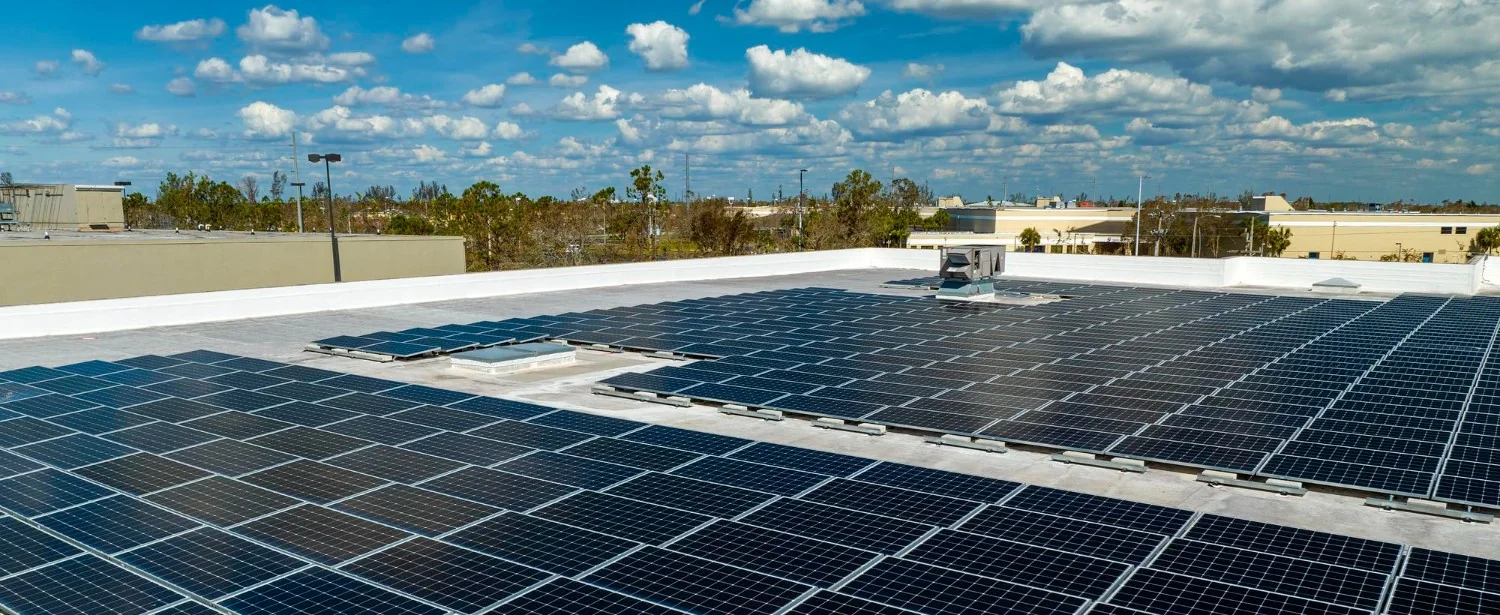
<ul><li><i>India’s rooftop solar capacity reached 30.7 GW in July 2026, increasing the need for better grid management and flexibility.</i></li><li><i>Kerala and Maharashtra are exploring battery ener…
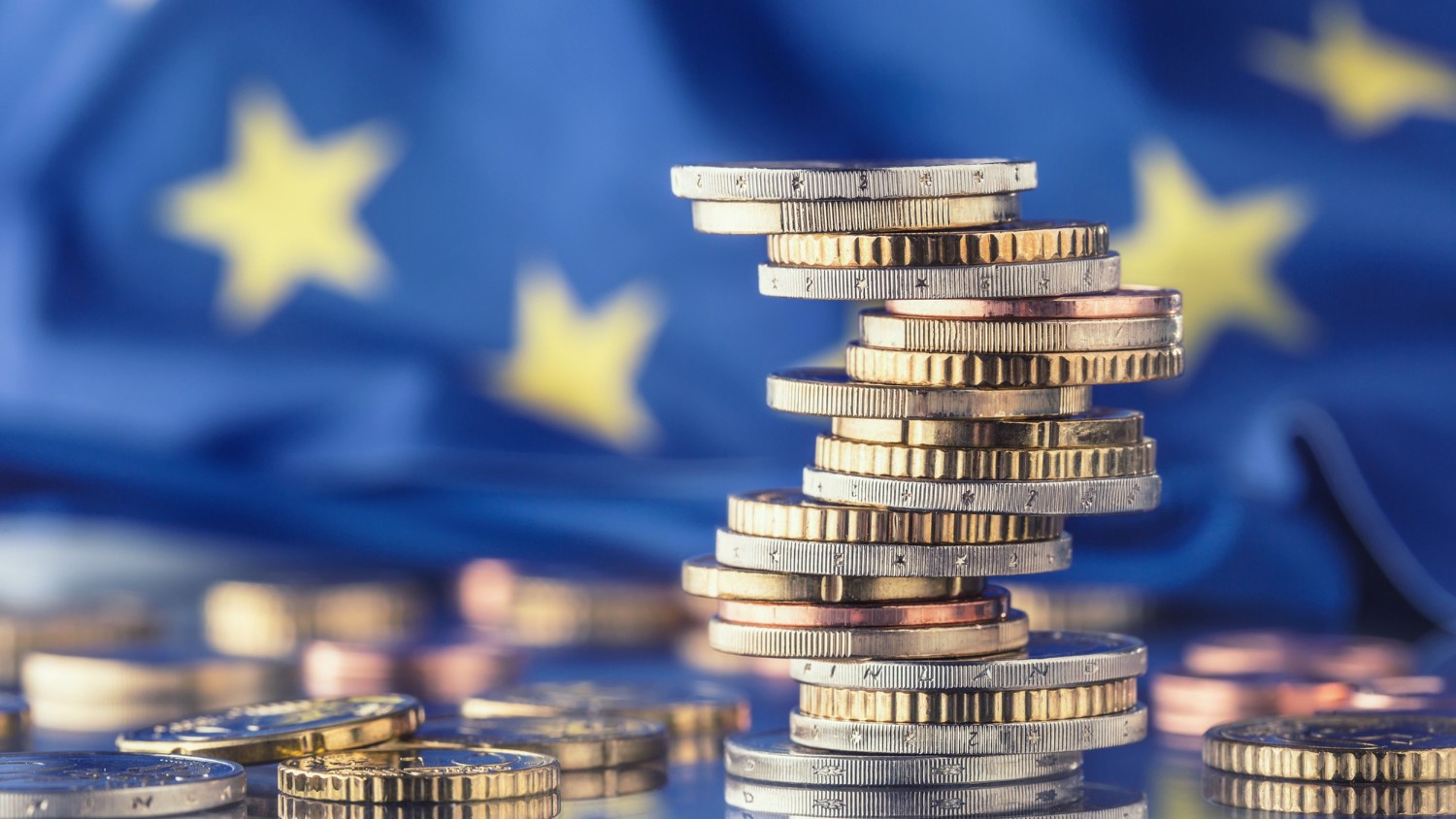
• 𝘛𝘩𝘦 𝘌𝘐𝘉 𝘎𝘳𝘰𝘶𝘱 𝘱𝘭𝘢𝘯𝘴 𝘵𝘰 𝘱𝘳𝘰𝘷𝘪𝘥𝘦 𝘢𝘵 𝘭𝘦𝘢𝘴𝘵 €30 𝘣𝘪𝘭𝘭𝘪𝘰𝘯 𝘧𝘰𝘳 𝘤𝘭𝘪𝘮𝘢𝘵𝘦 𝘢𝘥𝘢𝘱𝘵𝘢𝘵𝘪𝘰𝘯 𝘣𝘦𝘵𝘸𝘦𝘦𝘯 2026 𝘢𝘯𝘥 2030. • 𝘛𝘩𝘦 𝘯𝘦𝘸 𝘵𝘢𝘳𝘨𝘦𝘵 𝘥𝘰𝘶𝘣𝘭𝘦𝘴 𝘢𝘥𝘢𝘱𝘵𝘢𝘵𝘪𝘰𝘯 𝘧𝘪𝘯𝘢𝘯𝘤𝘪𝘯𝘨 𝘤𝘰𝘮𝘱𝘢𝘳𝘦𝘥 𝘸𝘪𝘵𝘩 𝘵𝘩𝘦 𝘱𝘳𝘦𝘷𝘪𝘰𝘶𝘴 𝘧𝘪𝘷𝘦-𝘺𝘦𝘢𝘳 𝘱𝘦𝘳𝘪𝘰𝘥. • 𝘍𝘶𝘯𝘥𝘪𝘯𝘨…