

.jpg)
06 November 2025
Canada is boosting its green technology push with new tax incentives and a C$15 billion ($10.9 billion) growth fund aimed at closing competitive gaps with the United States, the government announced Thursday.
Under the fall economic statement, investors in net-zero technologies, battery storage, and clean hydrogen projects will be eligible for tax credits covering up to 30% of investment costs.
Finance Minister Chrystia Freeland also confirmed the launch of the growth fund by year-end, designed to mitigate risks for private investors backing emerging clean technologies and infrastructure.
The fund will support initiatives such as carbon capture and storage through contracts for difference, shielding investors from potential policy changes.
The measures are Canada’s first significant response to the U.S. Inflation Reduction Act, which provides generous incentives for clean energy adoption. The government also proposed a 2% tax on corporate stock buybacks, expected to generate C$2.1 billion over five years, intended to encourage reinvestment in businesses and workers.
Experts welcomed the step but noted gaps. “It’s a move in the right direction helping Canada compete with the U.S., but it falls short of what’s needed to meet climate targets,” said Scott MacDougall of the Pembina Institute.
Freeland emphasized that these initiatives represent only a “down payment” on the country’s green transition, with additional measures-including a hydrogen investment tax credit and support for advanced manufacturing-expected in next year’s budget.
The new policies mark Canada’s strategic effort to accelerate low-carbon innovation while maintaining economic competitiveness amid a global clean-energy race.
Clean-tech tax credits alongside a $15 billion green-growth fund materially improve the Canadian investment case for renewables, storage, hydrogen and industrial decarbonisation - and they change what a competitive bid looks like almost overnight. Our responsible-investment and energy-transition teams help clients evaluate what these incentives mean for pipeline sequencing, cross-border investment and disclosure narrative.

• 𝘛𝘩𝘦 𝘜𝘈𝘌 𝘍𝘰𝘰𝘥 𝘉𝘢𝘯𝘬 𝘢𝘯𝘥 𝘋𝘶𝘣𝘢𝘪’𝘴 𝘊𝘰𝘮𝘮𝘶𝘯𝘪𝘵𝘺 𝘋𝘦𝘷𝘦𝘭𝘰𝘱𝘮𝘦𝘯𝘵 𝘈𝘶𝘵𝘩𝘰𝘳𝘪𝘵𝘺 (𝘊𝘋𝘈) 𝘩𝘢𝘷𝘦 𝘴𝘪𝘨𝘯𝘦𝘥 𝘢𝘯 𝘢𝘨𝘳𝘦𝘦𝘮𝘦𝘯𝘵 𝘵𝘰 𝘤𝘰𝘭𝘭𝘦𝘤𝘵 𝘢𝘯𝘥 𝘳𝘦𝘥𝘪𝘴𝘵𝘳𝘪𝘣𝘶𝘵𝘦 𝘴𝘶𝘳𝘱𝘭𝘶𝘴 𝘧𝘰𝘰𝘥 𝘧𝘳𝘰𝘮 𝘸𝘦𝘥𝘥𝘪𝘯𝘨𝘴 𝘢𝘯𝘥 𝘦𝘷𝘦𝘯𝘵𝘴. • 𝘛𝘩𝘦 𝘪𝘯𝘪𝘵𝘪𝘢𝘵𝘪𝘷𝘦 𝘸𝘪𝘭𝘭 𝘧𝘰𝘭𝘭𝘰𝘸 𝘢𝘱𝘱𝘳𝘰𝘷𝘦𝘥…
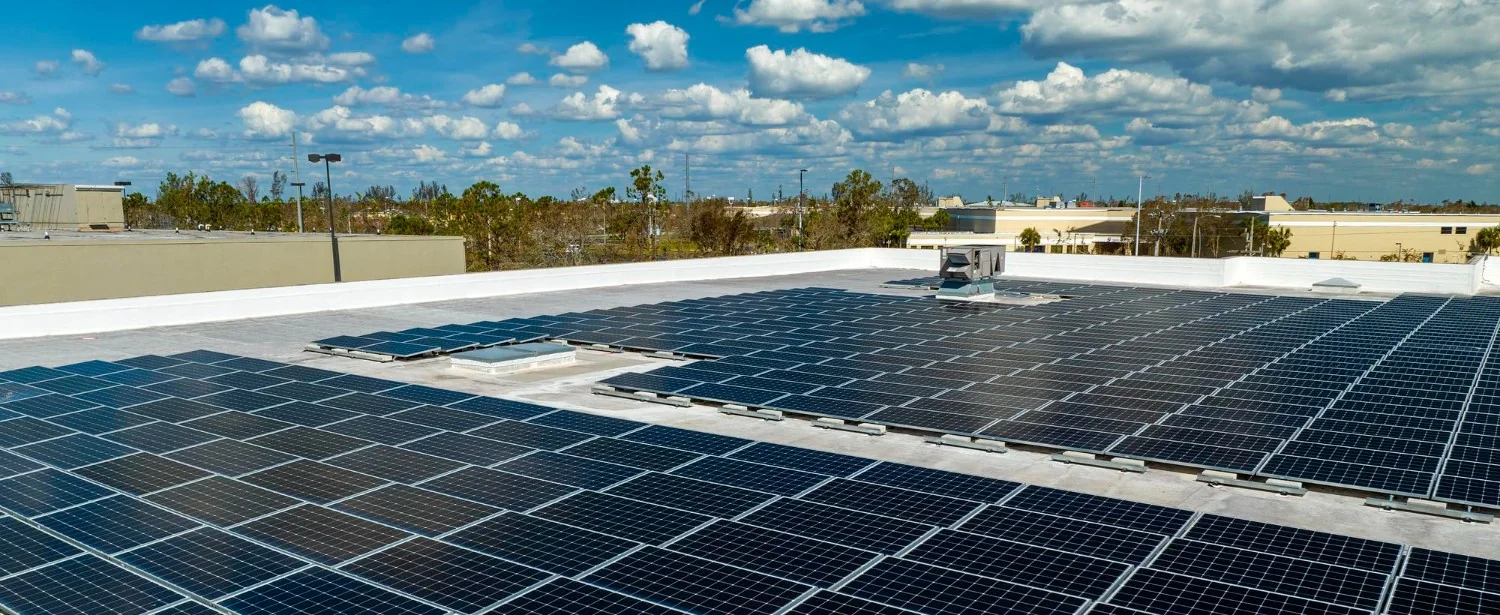
<ul><li><i>India’s rooftop solar capacity reached 30.7 GW in July 2026, increasing the need for better grid management and flexibility.</i></li><li><i>Kerala and Maharashtra are exploring battery ener…
• 𝘛𝘩𝘦 𝘌𝘐𝘉 𝘎𝘳𝘰𝘶𝘱 𝘱𝘭𝘢𝘯𝘴 𝘵𝘰 𝘱𝘳𝘰𝘷𝘪𝘥𝘦 𝘢𝘵 𝘭𝘦𝘢𝘴𝘵 €30 𝘣𝘪𝘭𝘭𝘪𝘰𝘯 𝘧𝘰𝘳 𝘤𝘭𝘪𝘮𝘢𝘵𝘦 𝘢𝘥𝘢𝘱𝘵𝘢𝘵𝘪𝘰𝘯 𝘣𝘦𝘵𝘸𝘦𝘦𝘯 2026 𝘢𝘯𝘥 2030. • 𝘛𝘩𝘦 𝘯𝘦𝘸 𝘵𝘢𝘳𝘨𝘦𝘵 𝘥𝘰𝘶𝘣𝘭𝘦𝘴 𝘢𝘥𝘢𝘱𝘵𝘢𝘵𝘪𝘰𝘯 𝘧𝘪𝘯𝘢𝘯𝘤𝘪𝘯𝘨 𝘤𝘰𝘮𝘱𝘢𝘳𝘦𝘥 𝘸𝘪𝘵𝘩 𝘵𝘩𝘦 𝘱𝘳𝘦𝘷𝘪𝘰𝘶𝘴 𝘧𝘪𝘷𝘦-𝘺𝘦𝘢𝘳 𝘱𝘦𝘳𝘪𝘰𝘥. • 𝘍𝘶𝘯𝘥𝘪𝘯𝘨…