

.jpg)
06 February 2026
Canada has dropped its national electric vehicle (EV) sales mandate, marking another recalibration of climate policy under Prime Minister Mark Carney as his government pivots toward incentives, infrastructure spending, and industry support instead of fixed sales targets.
Announcing the move on Wednesday, Carney said Ottawa would replace the mandate with stronger vehicle emissions standards for model years 2027–2032, while significantly boosting financial support for EV adoption. The government will allocate C$2.3 billion for purchase and lease incentives of up to C$5,000, C$1.5 billion to expand charging infrastructure, and as much as C$3.1 billion to help Canada’s auto sector manage the costly transition to electric vehicles.
The decision scraps a 2023 rule introduced under former Prime Minister Justin Trudeau that required 20% of new vehicle sales to be emissions-free by 2026. Automakers had warned the mandate imposed unsustainable costs, particularly as EV demand softened globally and the United States rolled back key EV tax credits.
Carney said the new approach “focuses on the results that matter to Canadians” while avoiding undue burdens on the auto industry. Ottawa still targets 75% EV sales by 2035 and 90% by 2040, framing the shift as a more flexible path to the same long-term goals.
The strategy also includes limited market access for Chinese EVs under a new trade arrangement, though those vehicles will not qualify for Canadian incentives. Automakers largely welcomed the announcement, while environmental groups criticized it as a major setback for climate ambition.
The move mirrors similar retreats in Europe and underscores how trade pressures, slowing EV uptake, and U.S. policy shifts are reshaping global climate strategies.
Scrapping the federal EV mandate for incentives-and-standards is a real policy pivot, and it changes fleet strategy, charging infrastructure investment and manufacturer capex sequencing simultaneously. Our energy-transition and market-intelligence teams help clients evaluate what this framework means for their EV, hybrid and low-carbon fuel positioning.

• 𝘛𝘩𝘦 𝘜𝘈𝘌 𝘍𝘰𝘰𝘥 𝘉𝘢𝘯𝘬 𝘢𝘯𝘥 𝘋𝘶𝘣𝘢𝘪’𝘴 𝘊𝘰𝘮𝘮𝘶𝘯𝘪𝘵𝘺 𝘋𝘦𝘷𝘦𝘭𝘰𝘱𝘮𝘦𝘯𝘵 𝘈𝘶𝘵𝘩𝘰𝘳𝘪𝘵𝘺 (𝘊𝘋𝘈) 𝘩𝘢𝘷𝘦 𝘴𝘪𝘨𝘯𝘦𝘥 𝘢𝘯 𝘢𝘨𝘳𝘦𝘦𝘮𝘦𝘯𝘵 𝘵𝘰 𝘤𝘰𝘭𝘭𝘦𝘤𝘵 𝘢𝘯𝘥 𝘳𝘦𝘥𝘪𝘴𝘵𝘳𝘪𝘣𝘶𝘵𝘦 𝘴𝘶𝘳𝘱𝘭𝘶𝘴 𝘧𝘰𝘰𝘥 𝘧𝘳𝘰𝘮 𝘸𝘦𝘥𝘥𝘪𝘯𝘨𝘴 𝘢𝘯𝘥 𝘦𝘷𝘦𝘯𝘵𝘴. • 𝘛𝘩𝘦 𝘪𝘯𝘪𝘵𝘪𝘢𝘵𝘪𝘷𝘦 𝘸𝘪𝘭𝘭 𝘧𝘰𝘭𝘭𝘰𝘸 𝘢𝘱𝘱𝘳𝘰𝘷𝘦𝘥…
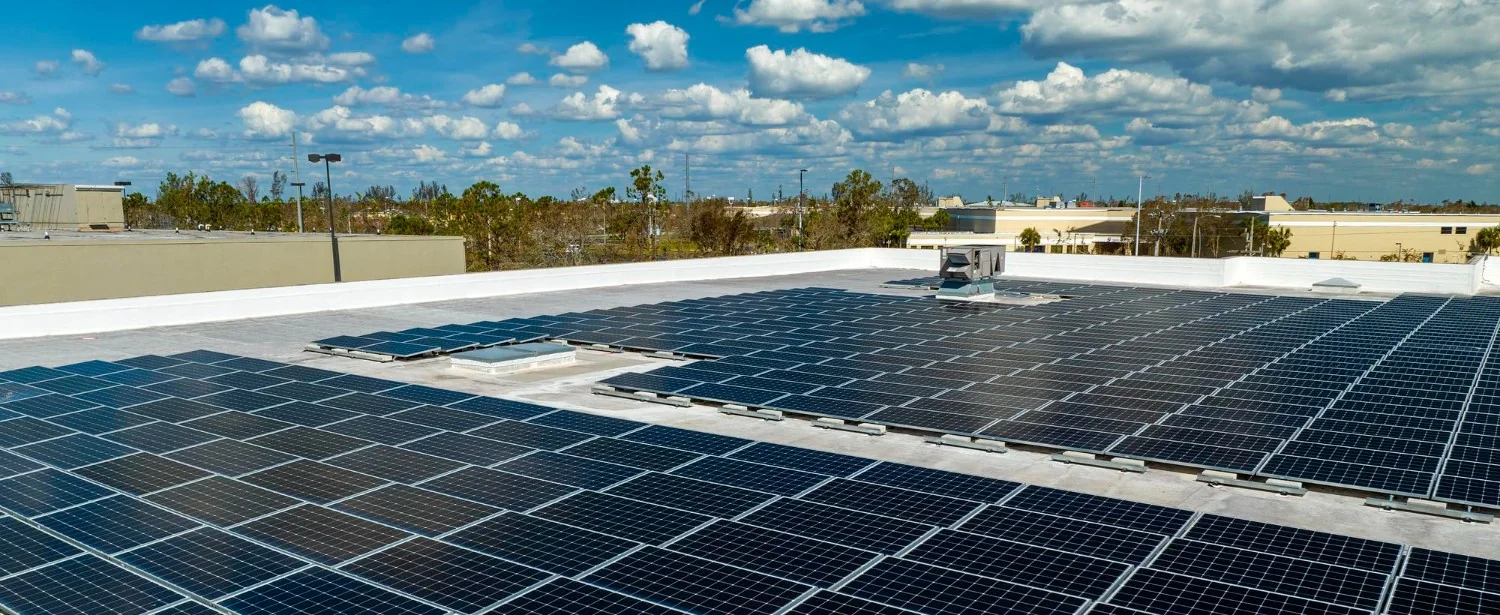
<ul><li><i>India’s rooftop solar capacity reached 30.7 GW in July 2026, increasing the need for better grid management and flexibility.</i></li><li><i>Kerala and Maharashtra are exploring battery ener…
• 𝘛𝘩𝘦 𝘌𝘐𝘉 𝘎𝘳𝘰𝘶𝘱 𝘱𝘭𝘢𝘯𝘴 𝘵𝘰 𝘱𝘳𝘰𝘷𝘪𝘥𝘦 𝘢𝘵 𝘭𝘦𝘢𝘴𝘵 €30 𝘣𝘪𝘭𝘭𝘪𝘰𝘯 𝘧𝘰𝘳 𝘤𝘭𝘪𝘮𝘢𝘵𝘦 𝘢𝘥𝘢𝘱𝘵𝘢𝘵𝘪𝘰𝘯 𝘣𝘦𝘵𝘸𝘦𝘦𝘯 2026 𝘢𝘯𝘥 2030. • 𝘛𝘩𝘦 𝘯𝘦𝘸 𝘵𝘢𝘳𝘨𝘦𝘵 𝘥𝘰𝘶𝘣𝘭𝘦𝘴 𝘢𝘥𝘢𝘱𝘵𝘢𝘵𝘪𝘰𝘯 𝘧𝘪𝘯𝘢𝘯𝘤𝘪𝘯𝘨 𝘤𝘰𝘮𝘱𝘢𝘳𝘦𝘥 𝘸𝘪𝘵𝘩 𝘵𝘩𝘦 𝘱𝘳𝘦𝘷𝘪𝘰𝘶𝘴 𝘧𝘪𝘷𝘦-𝘺𝘦𝘢𝘳 𝘱𝘦𝘳𝘪𝘰𝘥. • 𝘍𝘶𝘯𝘥𝘪𝘯𝘨…