

21 October 2026
- Bahrain and France signed a memorandum of understanding to develop cooperation in the peaceful uses of nuclear energy, supporting the development of expertise for a potential civilian nuclear program. - The agreement focuses on building technical skills and capabilities through training programs to support the long-term sustainability of the proposed program. - Nuclear energy could contribute to low-carbon electricity generation and energy diversification, making it relevant to broader energy transition discussions. - The partnership reflects growing international cooperation in energy planning, technical capacity-building and long-term energy security. - Environmental safeguards, nuclear safety, responsible radioactive waste management and water use will be important considerations in assessing the sustainability of any future nuclear program.
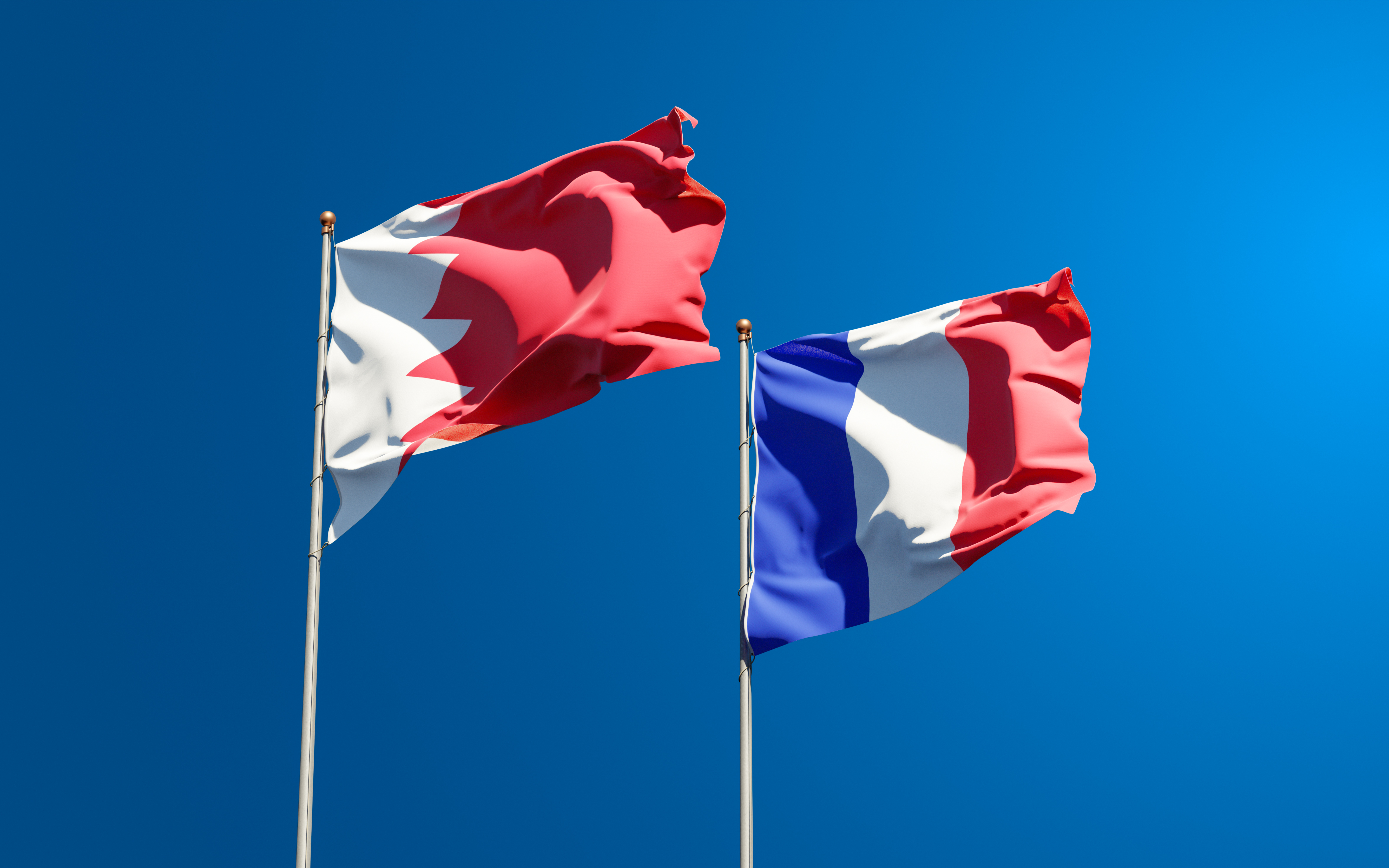
Bahrain and France have signed a memorandum of understanding (MoU) to strengthen cooperation in the peaceful uses of nuclear energy, marking a step toward developing the technical expertise needed to establish and sustain a civilian nuclear program. The agreement was signed on October 20, 2026, during French President Emmanuel Macron’s visit to Manama, according to the Bahrain News Agency, as reported by Yaffa News Network.
The memorandum, signed by Bahrain’s Ministry of Foreign Affairs and France’s Ministry for Europe and Foreign Affairs, aims to develop the skills and expertise required to support the proposed program through appropriate training initiatives. The agreement establishes a framework for cooperation, although it does not, by itself, confirm plans for a nuclear power plant or set a timeline for implementation.
From a sustainability perspective, nuclear energy is relevant to the global energy transition because it can generate electricity with low operational greenhouse gas emissions. For countries exploring ways to diversify their energy mix, civilian nuclear cooperation can provide an opportunity to build technical capabilities and assess alternative sources of electricity. However, the potential sustainability benefits depend on how a program is planned, regulated and implemented.
The agreement also highlights the importance of addressing environmental and safety considerations throughout the nuclear energy lifecycle. These include radioactive waste management, water consumption, the protection of local ecosystems, nuclear safety and appropriate regulatory oversight. Integrating these considerations into planning and decision-making would be essential to evaluating the environmental and social implications of any future program.
The MoU was signed during broader discussions between King Hamad bin Isa Al Khalifa and Macron on strengthening bilateral cooperation in energy, defense, investment, sustainable development and advanced technology. The visit formed part of Macron’s Gulf tour, which aimed to reinforce strategic and economic partnerships amid regional tensions and concerns about energy security and maritime transport through the Strait of Hormuz.
For businesses, the development highlights the connection between energy strategy, environmental risk management and long-term resilience. As countries explore different pathways to energy security and decarbonization, organizations can benefit from assessing energy-related risks, understanding the environmental implications of their operations and incorporating sustainability considerations into strategic planning.
Cognitud supports organizations in integrating sustainability into business strategy, assessing ESG risks and identifying opportunities to improve environmental performance. Through its expertise in ESG strategy, climate action and sustainable business practices, Cognitud helps businesses connect evolving energy developments with responsible decision-making and long-term organizational resilience.

<ul><li><i>India’s rooftop solar capacity reached 30.7 GW in July 2026, increasing the need for better grid management and flexibility.</i></li><li><i>Kerala and Maharashtra are exploring battery ener…

• 𝘛𝘩𝘦 𝘌𝘐𝘉 𝘎𝘳𝘰𝘶𝘱 𝘱𝘭𝘢𝘯𝘴 𝘵𝘰 𝘱𝘳𝘰𝘷𝘪𝘥𝘦 𝘢𝘵 𝘭𝘦𝘢𝘴𝘵 €30 𝘣𝘪𝘭𝘭𝘪𝘰𝘯 𝘧𝘰𝘳 𝘤𝘭𝘪𝘮𝘢𝘵𝘦 𝘢𝘥𝘢𝘱𝘵𝘢𝘵𝘪𝘰𝘯 𝘣𝘦𝘵𝘸𝘦𝘦𝘯 2026 𝘢𝘯𝘥 2030. • 𝘛𝘩𝘦 𝘯𝘦𝘸 𝘵𝘢𝘳𝘨𝘦𝘵 𝘥𝘰𝘶𝘣𝘭𝘦𝘴 𝘢𝘥𝘢𝘱𝘵𝘢𝘵𝘪𝘰𝘯 𝘧𝘪𝘯𝘢𝘯𝘤𝘪𝘯𝘨 𝘤𝘰𝘮𝘱𝘢𝘳𝘦𝘥 𝘸𝘪𝘵𝘩 𝘵𝘩𝘦 𝘱𝘳𝘦𝘷𝘪𝘰𝘶𝘴 𝘧𝘪𝘷𝘦-𝘺𝘦𝘢𝘳 𝘱𝘦𝘳𝘪𝘰𝘥. • 𝘍𝘶𝘯𝘥𝘪𝘯𝘨…

• 𝘊𝘢𝘯𝘢𝘥𝘢’𝘴 𝘧𝘪𝘯𝘢𝘭 𝘵𝘢𝘹𝘰𝘯𝘰𝘮𝘺 𝘮𝘦𝘵𝘩𝘰𝘥𝘰𝘭𝘰𝘨𝘺 𝘦𝘴𝘵𝘢𝘣𝘭𝘪𝘴𝘩𝘦𝘴 𝘨𝘳𝘦𝘦𝘯 𝘢𝘯𝘥 𝘵𝘳𝘢𝘯𝘴𝘪𝘵𝘪𝘰𝘯 𝘤𝘢𝘵𝘦𝘨𝘰𝘳𝘪𝘦𝘴 𝘧𝘰𝘳 𝘢𝘴𝘴𝘦𝘴𝘴𝘪𝘯𝘨 𝘤𝘭𝘪𝘮𝘢𝘵𝘦-𝘢𝘭𝘪𝘨𝘯𝘦𝘥 𝘦𝘤𝘰𝘯𝘰𝘮𝘪𝘤 𝘢𝘤𝘵𝘪𝘷𝘪𝘵𝘪𝘦𝘴. • 𝘛𝘩𝘦 𝘷𝘰𝘭𝘶𝘯𝘵𝘢𝘳𝘺 𝘧𝘳𝘢𝘮𝘦𝘸𝘰𝘳𝘬 𝘢𝘪𝘮𝘴 𝘵𝘰 𝘪𝘮𝘱𝘳𝘰𝘷𝘦 𝘤𝘰𝘯𝘴𝘪𝘴𝘵𝘦𝘯𝘤𝘺 𝘢𝘯𝘥 𝘤𝘰𝘯𝘧𝘪𝘥𝘦𝘯𝘤…