


13 February 2026
On February 12, 2026, the Australian Government unveiled the next phase of its national THRIVE 2030 strategy, a long-term policy to strengthen the country’s visitor economy while embedding sustainability into tourism growth. This ambitious plan sets a target of achieving $230 billion in visitor expenditure by 2030 by fostering tourism that is economically vibrant, environmentally responsible, and beneficial to Australian communities.
The strategy prioritises a balanced approach that supports tourism growth and ensures social and cultural inclusivity, particularly reinvigorating regional Australia and incorporating First Nations cultural experiences into the broader tourism offering. It emphasises modernising business practices, building workforce capabilities, and leveraging quality data to inform sustainable destinations and visitor experiences.
To kickstart these goals, the government has already allocated substantial funding, including $130 million for the second phase of Tourism Australia’s “Come and Say G’day” international marketing campaign and $18.5 million to enhance globally iconic natural attractions such as the Great Barrier Reef and the Red Centre. These investments aim to preserve environmental resources while boosting tourism’s economic impact.
The agricultural and cultural emphasis of THRIVE 2030 also highlights sustainable growth through equitable opportunities for local operators, especially those from First Nations communities, and extends support to tourism businesses to adopt innovative and competitive practices.
Through collaboration with state governments and industry bodies, the plan is designed to deliver economic benefits across regions while prioritising long-term resilience and sustainability in Australia’s visitor economy.
$230 billion of sustainable-tourism growth planning reshapes what hospitality operators, transport providers and destination-management organisations need to build, and it raises the disclosure bar for the entire tourism ecosystem. Our impact-assessment and nature-based-solutions teams help clients evaluate sustainable-tourism positioning and impact-linked disclosure.

• 𝘛𝘩𝘦 𝘜𝘈𝘌 𝘍𝘰𝘰𝘥 𝘉𝘢𝘯𝘬 𝘢𝘯𝘥 𝘋𝘶𝘣𝘢𝘪’𝘴 𝘊𝘰𝘮𝘮𝘶𝘯𝘪𝘵𝘺 𝘋𝘦𝘷𝘦𝘭𝘰𝘱𝘮𝘦𝘯𝘵 𝘈𝘶𝘵𝘩𝘰𝘳𝘪𝘵𝘺 (𝘊𝘋𝘈) 𝘩𝘢𝘷𝘦 𝘴𝘪𝘨𝘯𝘦𝘥 𝘢𝘯 𝘢𝘨𝘳𝘦𝘦𝘮𝘦𝘯𝘵 𝘵𝘰 𝘤𝘰𝘭𝘭𝘦𝘤𝘵 𝘢𝘯𝘥 𝘳𝘦𝘥𝘪𝘴𝘵𝘳𝘪𝘣𝘶𝘵𝘦 𝘴𝘶𝘳𝘱𝘭𝘶𝘴 𝘧𝘰𝘰𝘥 𝘧𝘳𝘰𝘮 𝘸𝘦𝘥𝘥𝘪𝘯𝘨𝘴 𝘢𝘯𝘥 𝘦𝘷𝘦𝘯𝘵𝘴. • 𝘛𝘩𝘦 𝘪𝘯𝘪𝘵𝘪𝘢𝘵𝘪𝘷𝘦 𝘸𝘪𝘭𝘭 𝘧𝘰𝘭𝘭𝘰𝘸 𝘢𝘱𝘱𝘳𝘰𝘷𝘦𝘥…
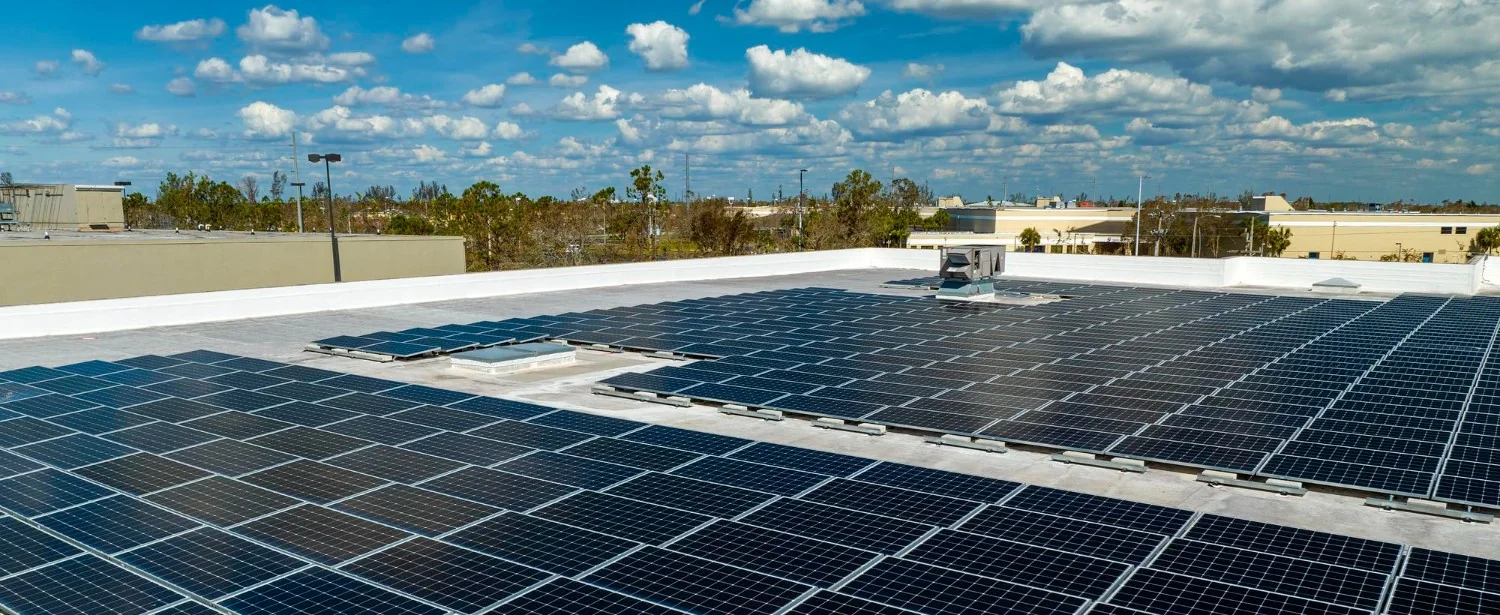
<ul><li><i>India’s rooftop solar capacity reached 30.7 GW in July 2026, increasing the need for better grid management and flexibility.</i></li><li><i>Kerala and Maharashtra are exploring battery ener…
• 𝘛𝘩𝘦 𝘌𝘐𝘉 𝘎𝘳𝘰𝘶𝘱 𝘱𝘭𝘢𝘯𝘴 𝘵𝘰 𝘱𝘳𝘰𝘷𝘪𝘥𝘦 𝘢𝘵 𝘭𝘦𝘢𝘴𝘵 €30 𝘣𝘪𝘭𝘭𝘪𝘰𝘯 𝘧𝘰𝘳 𝘤𝘭𝘪𝘮𝘢𝘵𝘦 𝘢𝘥𝘢𝘱𝘵𝘢𝘵𝘪𝘰𝘯 𝘣𝘦𝘵𝘸𝘦𝘦𝘯 2026 𝘢𝘯𝘥 2030. • 𝘛𝘩𝘦 𝘯𝘦𝘸 𝘵𝘢𝘳𝘨𝘦𝘵 𝘥𝘰𝘶𝘣𝘭𝘦𝘴 𝘢𝘥𝘢𝘱𝘵𝘢𝘵𝘪𝘰𝘯 𝘧𝘪𝘯𝘢𝘯𝘤𝘪𝘯𝘨 𝘤𝘰𝘮𝘱𝘢𝘳𝘦𝘥 𝘸𝘪𝘵𝘩 𝘵𝘩𝘦 𝘱𝘳𝘦𝘷𝘪𝘰𝘶𝘴 𝘧𝘪𝘷𝘦-𝘺𝘦𝘢𝘳 𝘱𝘦𝘳𝘪𝘰𝘥. • 𝘍𝘶𝘯𝘥𝘪𝘯𝘨…