

07 May 2026
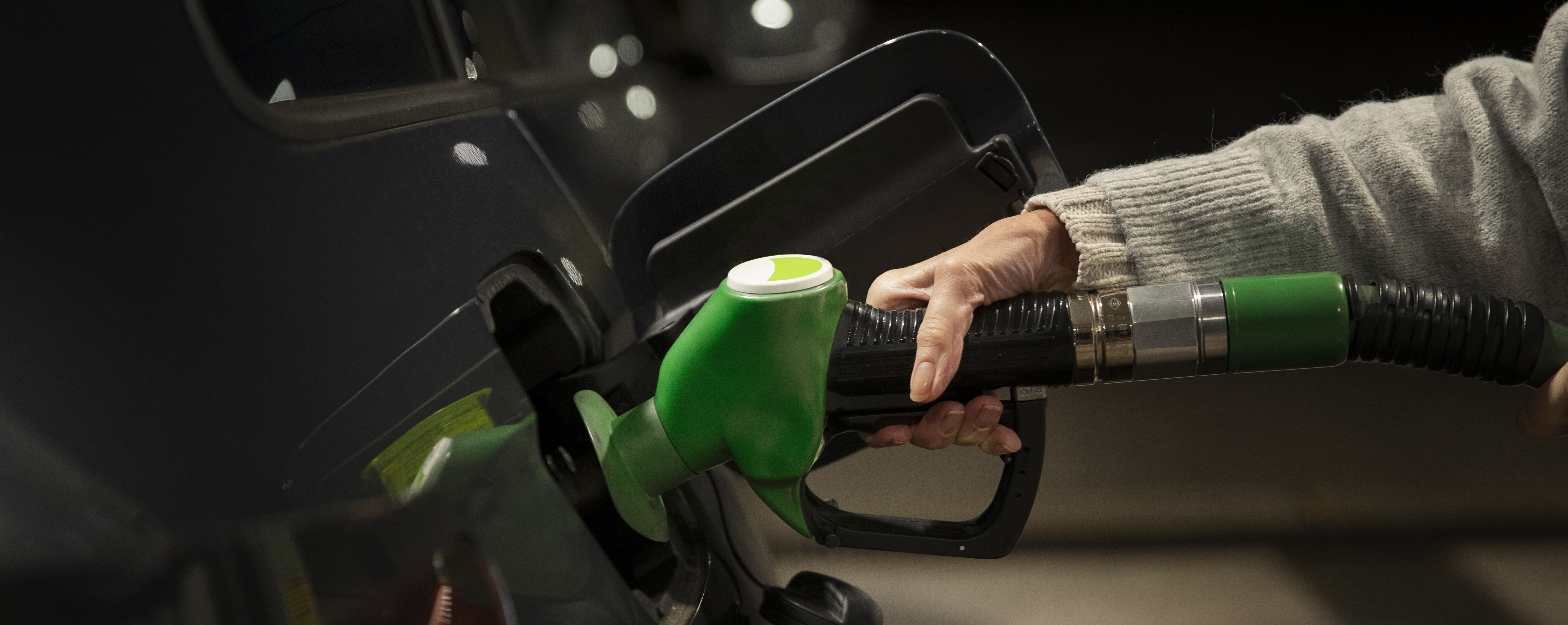
Australian Prime Minister Anthony Albanese announced a A$10.7 billion fuel security and resilience package on May 6, 2026, aimed at strengthening the country’s fuel reserves and protecting Australia from global supply disruptions. The initiative includes the creation of a permanent government-owned fuel reserve of around one billion litres, as concerns grow over geopolitical instability and reliance on imported fuel.
The package seeks to expand Australia’s onshore fuel reserves to ensure at least 50 days of diesel and aviation fuel supply by 2030. Under the plan, fuel refiners and importers will be required to increase minimum stockholding obligations, while the government will provide financial support for additional storage infrastructure and supply security.
A major portion of the funding - around A$7.5 billion - will support fuel and fertiliser storage through loans, guarantees, insurance, and equity support. Another A$3.2 billion will be allocated to establish the national reserve, while A$10 million has been earmarked for feasibility studies into new or expanded domestic refining capacity.
Australian Energy Minister Chris Bowen described the initiative as a major shift in national energy policy, noting that Australia has historically lacked a government-owned fuel reserve unlike many other International Energy Agency members. The plan comes as the country faces increased pressure to improve energy resilience amid disruptions linked to tensions in the Middle East and broader supply chain uncertainties.
Australia's A$10.7 billion fuel-security package sits at the awkward intersection of energy resilience and transition credibility - onshore reserves and refining capacity today, versus faster EV and renewable-fuel deployment tomorrow. Our energy-transition and market-intelligence teams help clients evaluate where fuel-security spending complements a transition plan and where it risks locking in fossil dependence longer than necessary.

• 𝘛𝘩𝘦 𝘜𝘈𝘌 𝘍𝘰𝘰𝘥 𝘉𝘢𝘯𝘬 𝘢𝘯𝘥 𝘋𝘶𝘣𝘢𝘪’𝘴 𝘊𝘰𝘮𝘮𝘶𝘯𝘪𝘵𝘺 𝘋𝘦𝘷𝘦𝘭𝘰𝘱𝘮𝘦𝘯𝘵 𝘈𝘶𝘵𝘩𝘰𝘳𝘪𝘵𝘺 (𝘊𝘋𝘈) 𝘩𝘢𝘷𝘦 𝘴𝘪𝘨𝘯𝘦𝘥 𝘢𝘯 𝘢𝘨𝘳𝘦𝘦𝘮𝘦𝘯𝘵 𝘵𝘰 𝘤𝘰𝘭𝘭𝘦𝘤𝘵 𝘢𝘯𝘥 𝘳𝘦𝘥𝘪𝘴𝘵𝘳𝘪𝘣𝘶𝘵𝘦 𝘴𝘶𝘳𝘱𝘭𝘶𝘴 𝘧𝘰𝘰𝘥 𝘧𝘳𝘰𝘮 𝘸𝘦𝘥𝘥𝘪𝘯𝘨𝘴 𝘢𝘯𝘥 𝘦𝘷𝘦𝘯𝘵𝘴. • 𝘛𝘩𝘦 𝘪𝘯𝘪𝘵𝘪𝘢𝘵𝘪𝘷𝘦 𝘸𝘪𝘭𝘭 𝘧𝘰𝘭𝘭𝘰𝘸 𝘢𝘱𝘱𝘳𝘰𝘷𝘦𝘥…
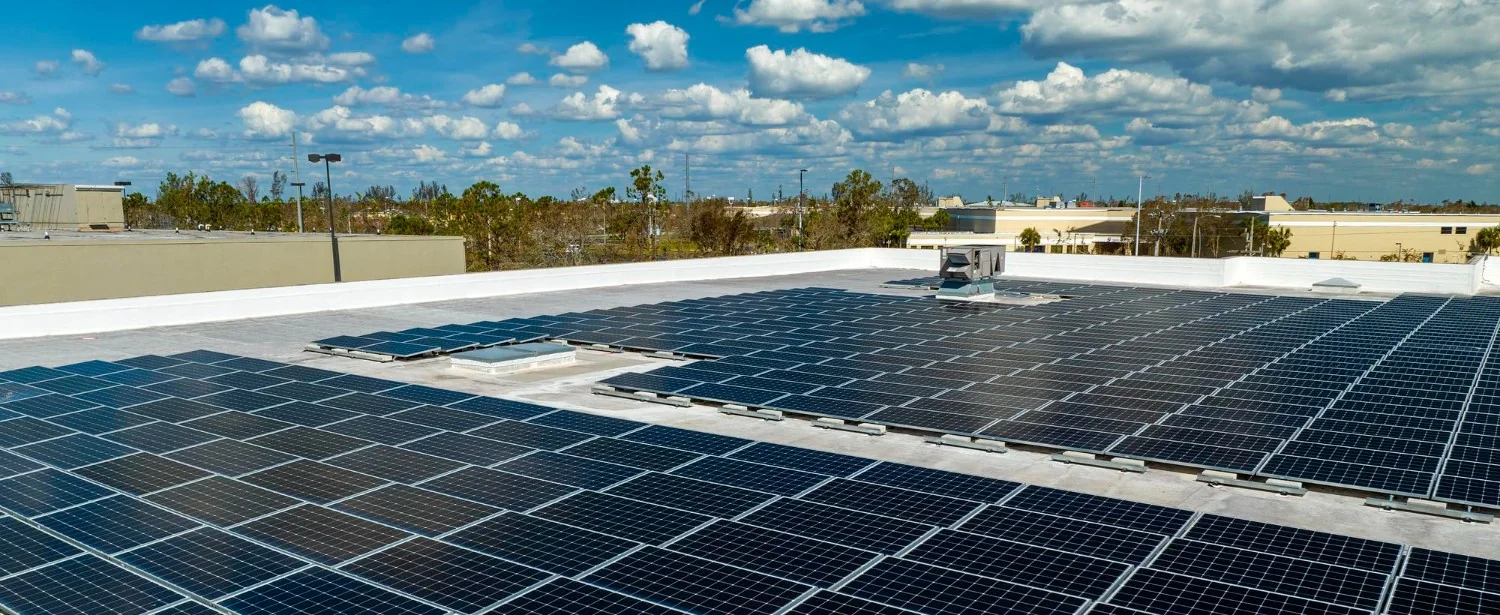
<ul><li><i>India’s rooftop solar capacity reached 30.7 GW in July 2026, increasing the need for better grid management and flexibility.</i></li><li><i>Kerala and Maharashtra are exploring battery ener…

• 𝘛𝘩𝘦 𝘌𝘐𝘉 𝘎𝘳𝘰𝘶𝘱 𝘱𝘭𝘢𝘯𝘴 𝘵𝘰 𝘱𝘳𝘰𝘷𝘪𝘥𝘦 𝘢𝘵 𝘭𝘦𝘢𝘴𝘵 €30 𝘣𝘪𝘭𝘭𝘪𝘰𝘯 𝘧𝘰𝘳 𝘤𝘭𝘪𝘮𝘢𝘵𝘦 𝘢𝘥𝘢𝘱𝘵𝘢𝘵𝘪𝘰𝘯 𝘣𝘦𝘵𝘸𝘦𝘦𝘯 2026 𝘢𝘯𝘥 2030. • 𝘛𝘩𝘦 𝘯𝘦𝘸 𝘵𝘢𝘳𝘨𝘦𝘵 𝘥𝘰𝘶𝘣𝘭𝘦𝘴 𝘢𝘥𝘢𝘱𝘵𝘢𝘵𝘪𝘰𝘯 𝘧𝘪𝘯𝘢𝘯𝘤𝘪𝘯𝘨 𝘤𝘰𝘮𝘱𝘢𝘳𝘦𝘥 𝘸𝘪𝘵𝘩 𝘵𝘩𝘦 𝘱𝘳𝘦𝘷𝘪𝘰𝘶𝘴 𝘧𝘪𝘷𝘦-𝘺𝘦𝘢𝘳 𝘱𝘦𝘳𝘪𝘰𝘥. • 𝘍𝘶𝘯𝘥𝘪𝘯𝘨…