

17 August 2026
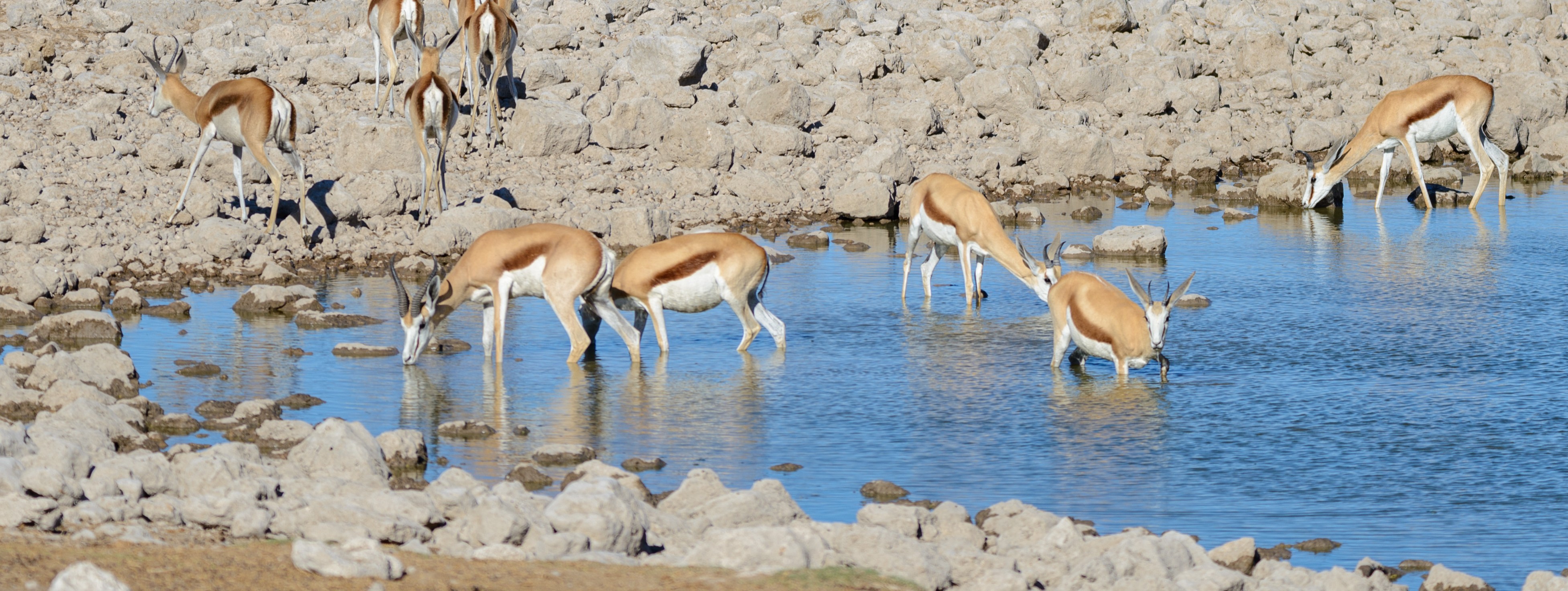
Abu Dhabi has issued a new resolution to strengthen the protection of species, habitats and biodiversity across the emirate. Resolution No. (2) of 2026, issued by Sheikh Hamdan bin Zayed Al Nahyan, Chairman of the Environment Agency – Abu Dhabi (EAD), establishes a framework for conserving ecosystems while supporting sustainable development.
The resolution introduces an integrated approach to protecting both terrestrial and marine species and their habitats. Its provisions cover areas designated for biodiversity conservation as well as important habitats located outside formally protected areas, extending protection to native and migratory species identified on EAD-approved lists.
A key component is the emphasis on habitat restoration and rehabilitation. The framework includes measures to restore degraded habitats and affected species, while establishing environmental requirements designed to reduce the negative impacts of activities that could threaten biodiversity. Certain activities associated with species and habitat management will also be subject to specific regulatory requirements and procedures.
The resolution forms part of Abu Dhabi's broader environmental regulatory framework and its efforts to conserve natural ecosystems and strengthen biodiversity protection. EAD's existing conservation mandate includes evidence-based planning and regulation for biodiversity, alongside the management of terrestrial and marine protected areas across the emirate.
The new framework also highlights the importance of cooperation between government entities, businesses and the wider community in protecting natural ecosystems. By combining species protection, habitat conservation and restoration with stronger environmental controls, Abu Dhabi is strengthening its approach to maintaining biodiversity and improving the long-term resilience of its ecosystems.
Strengthened species and habitat protection resolutions shape TNFD-aligned biodiversity disclosure expectations for corporates with UAE land, water and coastal exposure. Our nature-based-solutions and sustainability-due-diligence teams help clients evaluate biodiversity-linked risk and align disclosure with emerging Gulf frameworks.
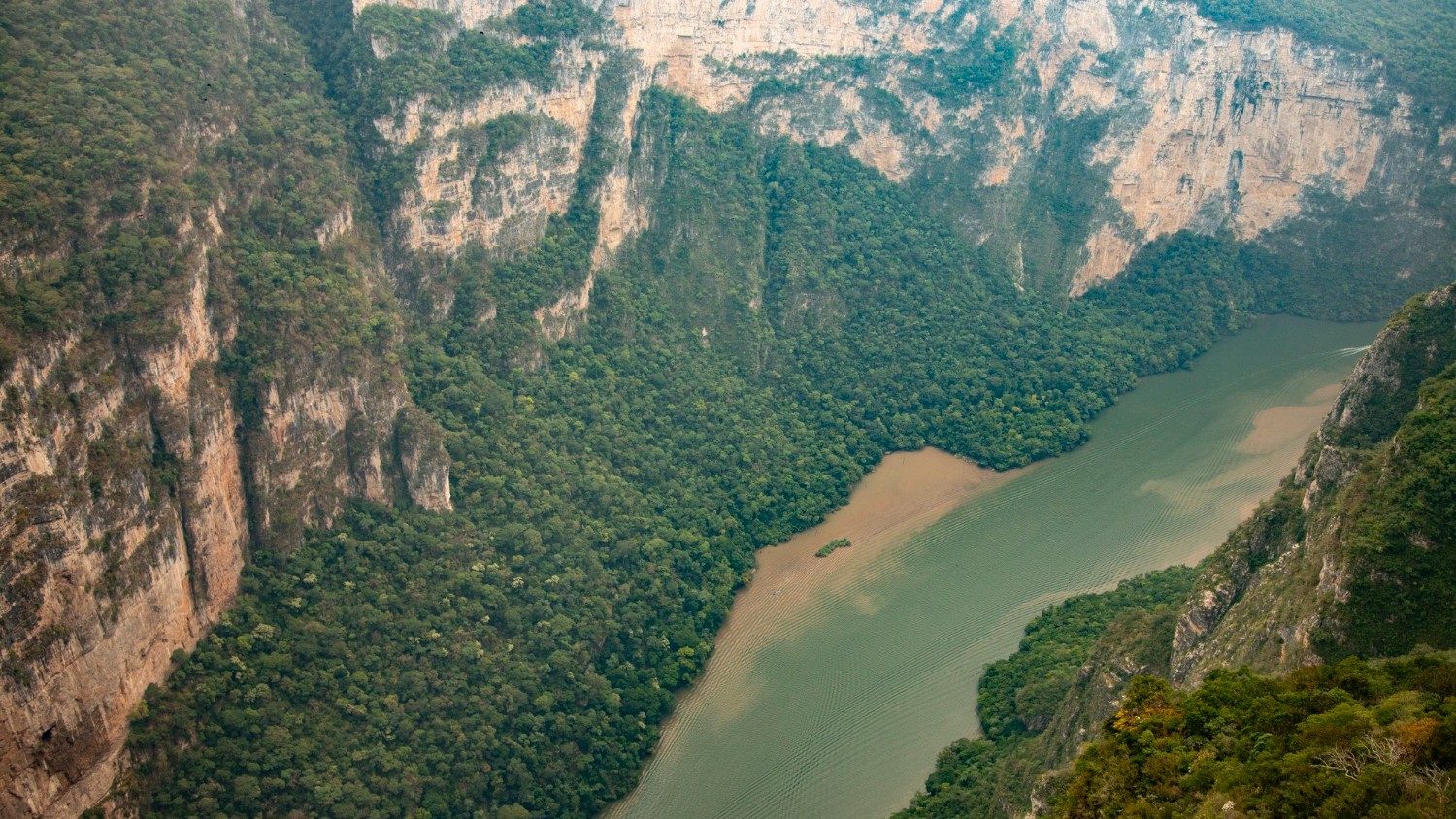
• 𝘔𝘦𝘹𝘪𝘤𝘰 𝘊𝘪𝘵𝘺 𝘩𝘢𝘴 𝘱𝘭𝘢𝘯𝘵𝘦𝘥 10 𝘮𝘪𝘭𝘭𝘪𝘰𝘯 𝘵𝘳𝘦𝘦𝘴, 𝘱𝘭𝘢𝘯𝘵𝘴, 𝘢𝘯𝘥 𝘴𝘩𝘳𝘶𝘣𝘴 𝘢𝘤𝘳𝘰𝘴𝘴 𝘤𝘰𝘯𝘴𝘦𝘳𝘷𝘢𝘵𝘪𝘰𝘯 𝘢𝘳𝘦𝘢𝘴 𝘵𝘰 𝘳𝘦𝘴𝘵𝘰𝘳𝘦 𝘦𝘤𝘰𝘴𝘺𝘴𝘵𝘦𝘮𝘴. • 𝘛𝘩𝘦 𝘤𝘪𝘵𝘺 𝘸𝘪𝘭𝘭 𝘭𝘢𝘶𝘯𝘤𝘩 𝘪𝘵𝘴 𝘭𝘢𝘳𝘨𝘦𝘴𝘵 𝘶𝘳𝘣𝘢𝘯 𝘳𝘦𝘧𝘰𝘳𝘦𝘴𝘵𝘢𝘵𝘪𝘰𝘯 𝘦𝘧𝘧𝘰𝘳𝘵, 𝘵𝘢𝘳𝘨𝘦𝘵𝘪𝘯𝘨 𝘰𝘯𝘦 𝘮𝘪𝘭𝘭𝘪𝘰𝘯 𝘢𝘥𝘥…

• 𝘕𝘰𝘳𝘸𝘢𝘺’𝘴 𝘸𝘦𝘢𝘭𝘵𝘩 𝘧𝘶𝘯𝘥 𝘮𝘢𝘯𝘢𝘨𝘦𝘳 𝘩𝘢𝘴 𝘤𝘰𝘮𝘮𝘪𝘵𝘵𝘦𝘥 $1.36 𝘣𝘪𝘭𝘭𝘪𝘰𝘯 𝘵𝘰 𝘊𝘰𝘱𝘦𝘯𝘩𝘢𝘨𝘦𝘯 𝘐𝘯𝘧𝘳𝘢𝘴𝘵𝘳𝘶𝘤𝘵𝘶𝘳𝘦 𝘗𝘢𝘳𝘵𝘯𝘦𝘳𝘴’ 𝘴𝘪𝘹𝘵𝘩 𝘧𝘭𝘢𝘨𝘴𝘩𝘪𝘱 𝘧𝘶𝘯𝘥. • 𝘛𝘩𝘦 𝘪𝘯𝘷𝘦𝘴𝘵𝘮𝘦𝘯𝘵 𝘣𝘶𝘪𝘭𝘥𝘴 𝘰𝘯 𝘢 𝘱𝘢𝘳𝘵𝘯𝘦𝘳𝘴𝘩𝘪𝘱 𝘦𝘴𝘵𝘢𝘣𝘭𝘪𝘴𝘩𝘦𝘥 𝘪𝘯 2024 𝘸𝘪𝘵𝘩 𝘢 $1.02 𝘣𝘪𝘭𝘭𝘪𝘰𝘯…

<ul><li><i>Union Cabinet approves the third phase of the Green Energy Corridor programme.</i></li><li><i>The scheme will add 51,126 circuit kilometres of transmission lines and around 229 GVA of trans…