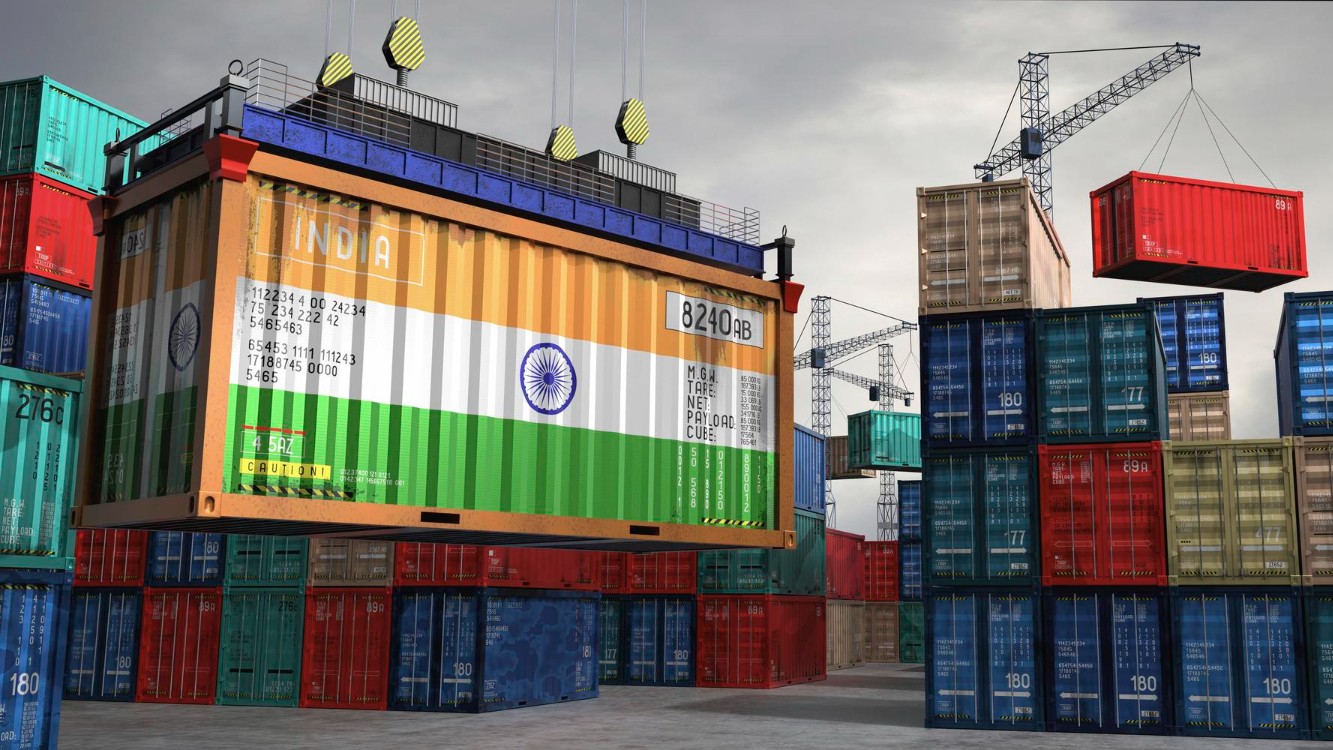

The difficulty was structural rather than technical. Goods often pass through several tiers of small suppliers, transporters and traders, many of whom kept records on paper or in disconnected spreadsheets. In logistics and supply chain in India, a single consignment can cross state borders, change vehicles and involve multiple intermediaries. It helps to separate two ideas here. Visibility answers where a shipment is; transparency answers who handled it, under what conditions, and whether the record can be trusted. Technology matters because it can supply both, provided every party works from the same version of events.
Much of the groundwork was laid by the government. The Goods and Services Tax, introduced in 2017, replaced a patchwork of central and state indirect taxes with one nationwide system, and the e-way bill made the movement of goods above a prescribed value traceable through an electronic document. FASTag, operated under the National Highways Authority of India, lets vehicles pay tolls electronically and leaves a digital trail of highway movement. PM Gati Shakti, a national master plan launched in 2021, uses a map-based digital platform so that ministries plan infrastructure together instead of in isolation. Most useful to businesses is the Unified Logistics Interface Platform, launched in 2022 under the National Logistics Policy. It connects separate government systems covering road, rail, air and ocean shipping, letting companies verify vehicles and drivers and track cargo through one interface instead of many. Each system records something where goods, vehicles or money change hands, and private firms can now build on those records.
Businesses are building on that foundation.

Taken together, the technology used in supply chain operations today lets companies check their network daily instead of auditing it quarterly. Beyond monitoring the present, the latest technology in supply chain management goes a step further with digital twins: virtual models of a network that let planners test how a port closure or supplier failure would ripple through it.
Public healthcare offers a clear example. The Electronic Vaccine Intelligence Network, introduced in 2015 by the Ministry of Health and Family Welfare, digitizes vaccine stock records and monitors storage temperatures across cold chain points, the temperature-controlled vaccine stores, so officials can spot shortages or temperature deviations before vaccines are wasted. Agriculture offers another. The National Agriculture Market, known as e-NAM, links regulated wholesale markets, called mandis, on one electronic trading platform, letting farmers benefit from open online price discovery, with traders bidding from beyond the local market. Both cases share a lesson: transparency works best when it is tied to a decision someone genuinely needs to make.
Technology alone does not create honesty, and three gaps stand out.
Any new technology in supply chain therefore needs clear data ownership, agreed standards, and suppliers who are supported rather than merely instructed to take part. True transparency of supply chain networks should be judged by how far down the tiers the data reaches and how much it is trusted. As the supply chain market in India matures, companies that can show where goods came from and how they moved will find it easier to win the confidence of buyers, lenders and export customers.
Cognitud works with procurement teams to turn supply chain visibility into practical decisions. Our procurement consultants help organizations map supplier tiers, identify where visibility ends, assess the quality of data suppliers can realistically provide, and choose tracking tools that fit existing operations rather than the other way around. The result is fewer blind spots, faster answers during disruptions, and supplier relationships built on shared, verifiable information that procurement, operations and finance teams can trust.