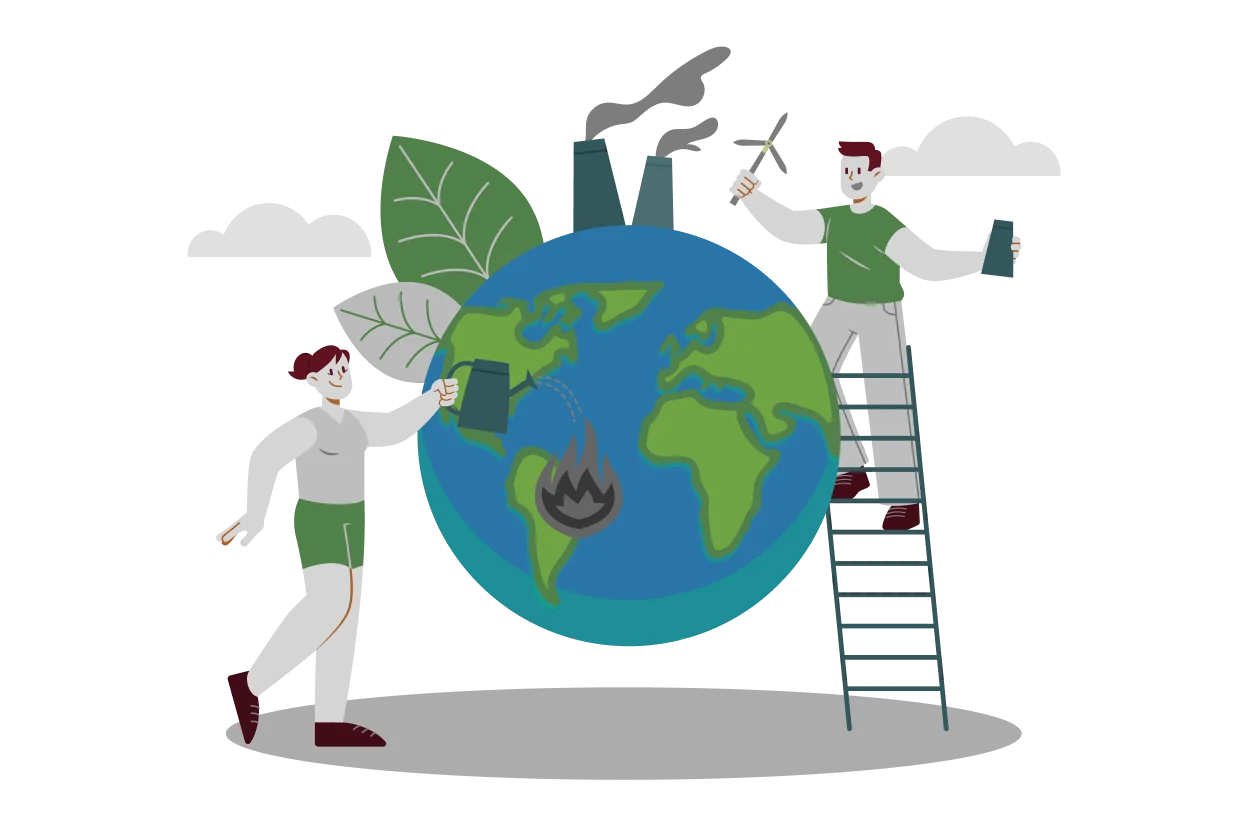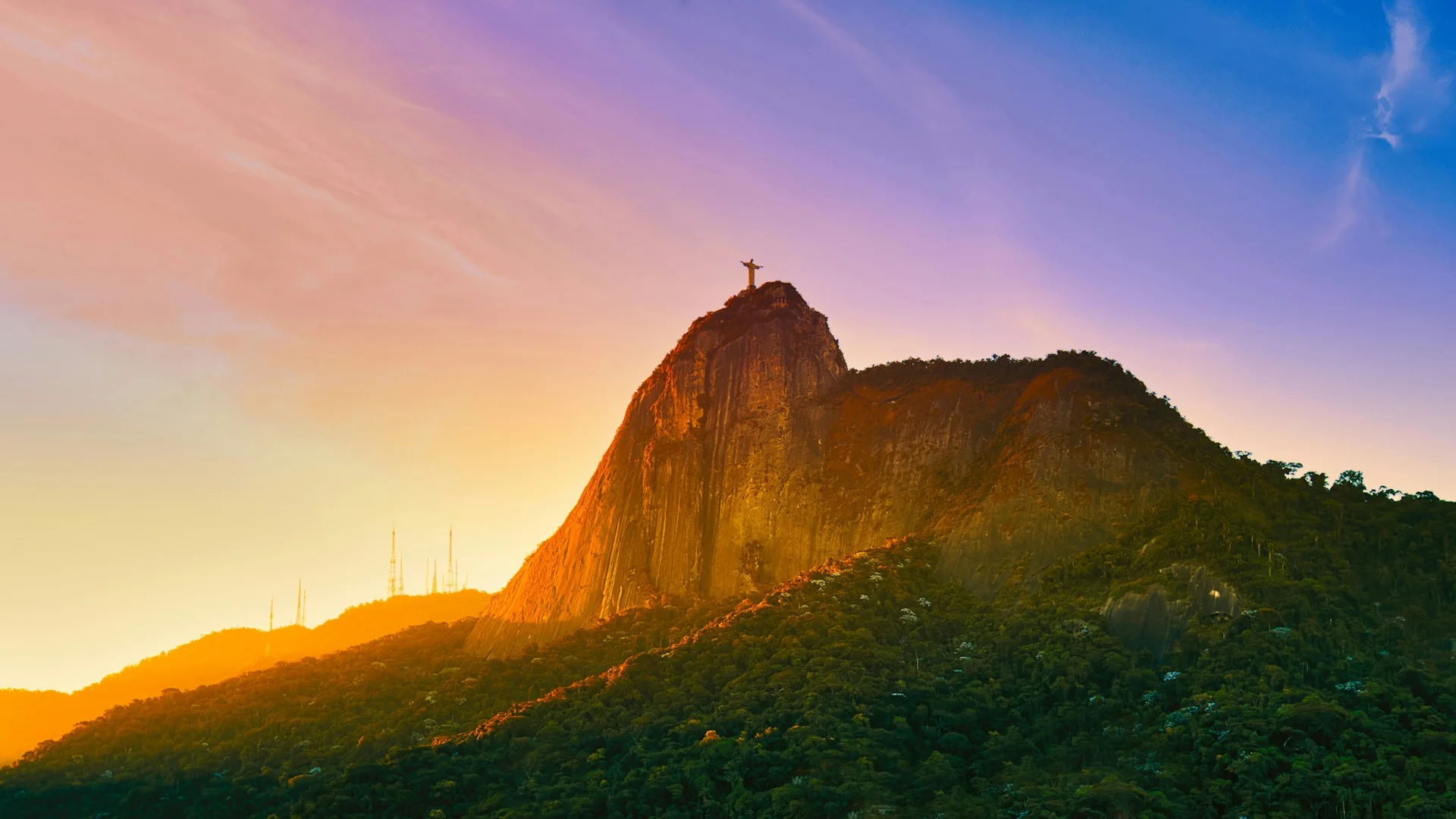
COP30 is scheduled to take place in Belem, an Amazonian city, marking the 10th anniversary of the Paris Agreement of 2015.
The Paris Agreement established a worldwide target to restrict the increase in global temperatures to well below 2 degrees Celsius above pre-industrial levels.
There has been no fulfillment of commitments so far, and national plans currently anticipate a temperature increase of about 2.6 degrees Celsius, potentially leading to disastrous climate effects.
To address the growing gap between climate pledges and real-world progress, Brazil is advocating for stronger global structures to ensure implementation.

The letter by the Brazilian presidency highlights that although negotiations under the UN Framework Convention on Climate Change (UNFCCC) have proceeded quite far, the challenge now lies is implementation.

Most nations find it difficult to transition from commitments to tangible steps that make a significant cut in carbon emissions.

Brazilian President Luiz Inácio Lula da Silva initially floated the concept of a "United Nations Climate Change Council" at the G20 summit in Rio de Janeiro in November 2024.
The new governance mechanism that has been suggested would act as a specific entity to help nations carry out their climate pledges.
This proposal has been approved by Brazilian Ambassador André Correa do Lago, who will preside over COP30.
He emphasized that the existing frameworks for the Paris Agreement and UNFCCC lack the authority and capability to enforce or expedite implementation.
The idea is that this new governance structure should be discussed and developed at the United Nations General Assembly (UNGA) rather than at COP30.
The letter calls for innovative governance approaches that enable: ● Rapid sharing of climate data, knowledge, and intelligence. ● Leveraging international networks. ● Coordinating resources, processes, and mechanisms both within and beyond the U.N. system.
1
The Brazilian government considers this proposal to be a long-term effort of reinforcing international climate action.
2
Although the establishment of a U.N. Climate Council is included in President Lula's diplomatic agenda, short-term results or official creation are not anticipated in the near future.
3
The current phase is being described as an "initial convincing effort" to establish international support.
This call reflects growing frustration with the slow pace of climate action despite years of negotiations.
By emphasizing the aspects of governance and implementation, Brazil seeks to transition the global climate agenda from talks to action.
Holding COP30 in the Amazon region also underscore Brazil's strategic interest in safeguarding the Amazon rainforest, a vital carbon sink.
The Brazilian COP30 presidency is promoting a transformative strategy of global climate leadership by calling for the establishment of a new United Nations Climate Change Council. The council would reinforce the ability of countries to deliver on their climate commitments under the Paris Agreement, filling the gap between negotiation and implementation.